
-
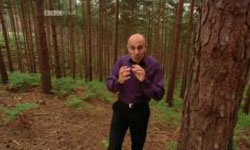
Atom I - Clash of Titans
-
Jim Al-Khalili
Professor Al-Khalili takes us from the discovery of the atom to the development of quantum mechanics
- TV-Recordings
- Chemistry
- Physics
- TV-Recordings
- No subtitles
- 50
Professor Al-Khalili takes us from the discovery of the atom to the development of quantum mechanics
-
Atom II - The Key to the Cosmos
-
Jim Al-Khalili
This episode tackles world-changing discoveries such as radioactivity, the Atom Bomb and the Big Bang, and tries to answer the biggest questions of all - why are we here and how were we made?
- TV-Recordings
- Chemistry
- Physics
- TV-Recordings
- No subtitles
- 60
This episode tackles world-changing discoveries such as radioactivity, the Atom Bomb and the Big Bang, and tries to answer the biggest questions of all - why are we here and how were we made?
-
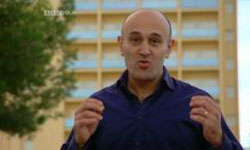
Atom III - The Illusion of Reality
-
Jim Al-Khalili
Al-Khalili discovers that there might be parallel universes in which different versions of us exist, and finds out that empty space isn’t empty at all, but seething with activity
- TV-Recordings
- Chemistry
- Physics
- TV-Recordings
- No subtitles
- 60
Al-Khalili discovers that there might be parallel universes in which different versions of us exist, and finds out that empty space isn’t empty at all, but seething with activity
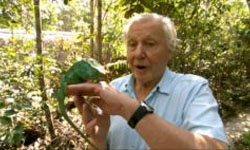
David Attenborough returns to the island of Madagascar on a very personal quest.
- TV-Recordings
- Geography
- TV-Recordings
- English subtitles
- 60
David Attenborough returns to the island of Madagascar on a very personal quest.
-
Attenborough: 60 Years in the Wild
-
BBC
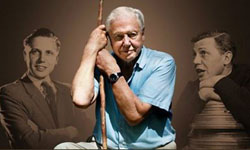
Over three very personal films, Sir David Attenborough looks back at the unparalleled changes in natural history that he has witnessed during his 60-year career
- TV-Recordings
- No subtitles
- 180
Over three very personal films, Sir David Attenborough looks back at the unparalleled changes in natural history that he has witnessed during his 60-year career
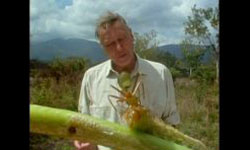
Sir David Attenborough gives his unique perspective on over half a century of innovation in wildlife filmmaking - developments that have brought ever more breathtaking and intimate images of wildlife to our television screens, changing our view of life on the planet forever.
- TV-Recordings
- Natural World
- TV-Recordings
- No subtitles
- 60
Sir David Attenborough gives his unique perspective on over half a century of innovation in wildlife filmmaking - developments that have brought ever more breathtaking and intimate images of wildlife to our television screens, changing our view of life on the planet forever.

David Attenborough reviews the most exciting scientific discoveries that have transformed our view of life on earth during his lifetime. How and where did life first begin? How do continents move? How do animals communicate? And why do they behave the way they do?
- TV-Recordings
- Natural World
- TV-Recordings
- No subtitles
- 60
David Attenborough reviews the most exciting scientific discoveries that have transformed our view of life on earth during his lifetime. How and where did life first begin? How do continents move? How do animals communicate? And why do they behave the way they do?
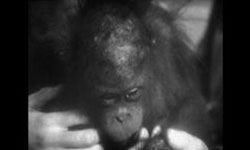
Sir David Attenborough reflects on the dramatic impact that humankind has had on the natural world within his own lifetime. He tells the surprising and deeply personal story of the changes he has seen, of the pioneering conservationists with who he has worked - and of the global revolution in attitudes towards nature that has taken place within the last six decades.
- TV-Recordings
- Natural World
- TV-Recordings
- No subtitles
- 60
Sir David Attenborough reflects on the dramatic impact that humankind has had on the natural world within his own lifetime. He tells the surprising and deeply personal story of the changes he has seen, of the pioneering conservationists with who he has worked - and of the global revolution in attitudes towards nature that has taken place within the last six decades.

-
Attenborough's Life in Colour - Episode 1 - Seeing in Colour
-
David Attenborough
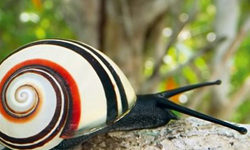
Using the latest camera technology, David Attenborough reveals the extraordinary ways in which animals use colour: to win a mate, to fight off rivals and to warn enemies.
- TV-Recordings
- English subtitles
- 58
Using the latest camera technology, David Attenborough reveals the extraordinary ways in which animals use colour: to win a mate, to fight off rivals and to warn enemies.
-
Attenborough's Life in Colour - Episode 2 - Hiding in Colour
-
David Attenborough
David Attenborough reveals the extraordinary ways that some animals use colour to hide and disappear into the background.
- TV-Recordings
- English subtitles
- 58
David Attenborough reveals the extraordinary ways that some animals use colour to hide and disappear into the background.
-
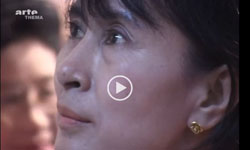
Aung San Suu Kyi : Prisonnière en Birmanie
-
Arte , 2009
An eloquent inventory of Burma, commented on by the most famous prisoner of conscience in the world, whose detention has been extended.
- TV-Recordings
- No subtitles
- 60
An eloquent inventory of Burma, commented on by the most famous prisoner of conscience in the world, whose detention has been extended.
-
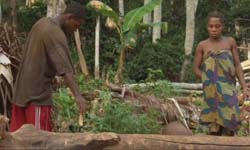
Baka: A Cry from the Rainforest
-
Phil Agland
Phil Agland revisits the Baka Pygmy family he filmed 25 years ago in his BAFTA award winning documentary 'Baka: People of the Rainforest'. An extraordinary journey into the heart of the rainforest in Cameroon.
- TV-Recordings
- Geography
- TV-Recordings
- No subtitles
- 90
Phil Agland revisits the Baka Pygmy family he filmed 25 years ago in his BAFTA award winning documentary 'Baka: People of the Rainforest'. An extraordinary journey into the heart of the rainforest in Cameroon.
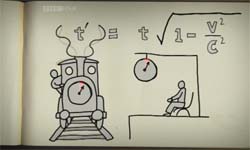
Artist and writer Matt Collings takes the plunge into an alien world of equations. He asks top scientists to help him understand five of the most famous equations in science, talks to Stephen Hawking about his equation for black holes and comes face to face with a particle of anti-matter.
- TV-Recordings
- Maths
- TV-Recordings
- No subtitles
- 60
Artist and writer Matt Collings takes the plunge into an alien world of equations. He asks top scientists to help him understand five of the most famous equations in science, talks to Stephen Hawking about his equation for black holes and comes face to face with a particle of anti-matter.
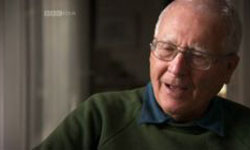
How scientist James Lovelock came to see the Earth as a holistic, self-regulating system.
- TV-Recordings
- Geography
- Physics
- TV-Recordings
- No subtitles
- 60
How scientist James Lovelock came to see the Earth as a holistic, self-regulating system.
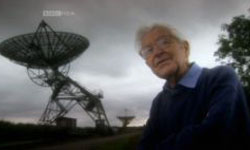
In the first of a three-part series, Professor Dame Jocelyn Bell Burnell describes how she discovered pulsars, the by-products of supernova explosions which make all life in the universe possible. She describes the moments of despair and jubilation as the discovery unfolded and her excitement as pulsars took the scientific world by storm.
- TV-Recordings
- Physics
- TV-Recordings
- No subtitles
- 60
In the first of a three-part series, Professor Dame Jocelyn Bell Burnell describes how she discovered pulsars, the by-products of supernova explosions which make all life in the universe possible. She describes the moments of despair and jubilation as the discovery unfolded and her excitement as pulsars took the scientific world by storm.

The final part of this series looking at three brilliant contemporary scientists features Sir Tim Hunt, awarded the Nobel Prize for his discovery of the mechanism of how cells divide - a discovery fundamental to the life and growth of every single creature on the planet, as well as a vital clue into the mystery of cancer.
- TV-Recordings
- Chemistry
- TV-Recordings
- No subtitles
- 60
The final part of this series looking at three brilliant contemporary scientists features Sir Tim Hunt, awarded the Nobel Prize for his discovery of the mechanism of how cells divide - a discovery fundamental to the life and growth of every single creature on the planet, as well as a vital clue into the mystery of cancer.

-
Beautiful Minds Series 1 and 2
-
BBC
Influential and respected scientists explain how their unique scientific perspectives have redefined how we think about the world around us
- TV-Recordings
- No subtitles
- 360
Influential and respected scientists explain how their unique scientific perspectives have redefined how we think about the world around us
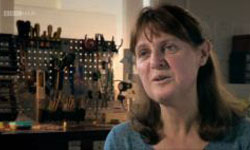
Physicist Professor Andre Geim\'s constant search for new ideas has led to some extraordinary discoveries, from levitating frogs to a tape that sticks to surfaces like a gecko\'s foot. He reveals how his playful approach to his research helped him uncover the properties of graphene, the world\'s thinnest material, and won him a Nobel Prize.
- TV-Recordings
- Physics
- TV-Recordings
- No subtitles
- 60
Physicist Professor Andre Geim\'s constant search for new ideas has led to some extraordinary discoveries, from levitating frogs to a tape that sticks to surfaces like a gecko\'s foot. He reveals how his playful approach to his research helped him uncover the properties of graphene, the world\'s thinnest material, and won him a Nobel Prize.
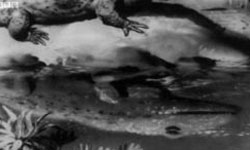
For paleontologist Professor Jenny Clack, who solved one of the greatest mysteries in the history of life on Earth, success was far from inevitable. She recounts how she had to overcome a series of setbacks before she found and described the fossil Acanthostega, a 365 million-year-old creature that offered dramatic new evidence of how fish made the transition onto land.
- TV-Recordings
- Biology
- TV-Recordings
- No subtitles
- 60
For paleontologist Professor Jenny Clack, who solved one of the greatest mysteries in the history of life on Earth, success was far from inevitable. She recounts how she had to overcome a series of setbacks before she found and described the fossil Acanthostega, a 365 million-year-old creature that offered dramatic new evidence of how fish made the transition onto land.
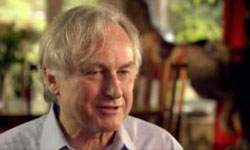
Professor Richard Dawkins reveals how he came to write his explosive first book The Selfish Gene, a work that was to divide the scientific community and make him the most influential evolutionary biologist of his generation. He also explores how this set him on the path to becoming an outspoken spokesman for atheism.
- TV-Recordings
- Biology
- TV-Recordings
- No subtitles
- 60
Professor Richard Dawkins reveals how he came to write his explosive first book The Selfish Gene, a work that was to divide the scientific community and make him the most influential evolutionary biologist of his generation. He also explores how this set him on the path to becoming an outspoken spokesman for atheism.

-
Big Oil v the World
-
Dan Edge
The most important story of our time. Despite climate chaos raging across the planet and urgent warnings from experts, our dependence on fossil fuels persists. How did we get here?
- TV-Recordings
- English subtitles
- 179
The most important story of our time. Despite climate chaos raging across the planet and urgent warnings from experts, our dependence on fossil fuels persists. How did we get here?
-
Big Oil v the World - Episode 1
-
Jane McMullen
The story of what the fossil fuel industry knew about climate change more than four decades ago, as scientists working for Exxon reveal how they sounded the alarm about the effects of fossil fuels.
- TV-Recordings
- English subtitles
- 59
The story of what the fossil fuel industry knew about climate change more than four decades ago, as scientists working for Exxon reveal how they sounded the alarm about the effects of fossil fuels.

-
Big Oil v the World - Episode 2
-
Gesbeen Mohammad
Even as the science grew more certain, the oil industry continued to block action to tackle climate change in the new millennium.
- TV-Recordings
- English subtitles
- 60
Even as the science grew more certain, the oil industry continued to block action to tackle climate change in the new millennium.
-
Big Oil v the World - Episode 3
-
Robin Barnwell
How the 2010s became another lost decade in the fight against climate change – as the move to natural gas delayed a transition to more renewable sources of energy.
- TV-Recordings
- English subtitles
- 60
How the 2010s became another lost decade in the fight against climate change – as the move to natural gas delayed a transition to more renewable sources of energy.
-
Bill Gates: How a Geek Changed the World
-
Charles Miller
In a special one-hour edition of the Money Programme, Fiona Bruce presents the definitive profile of Bill Gates as he embarks on his latest challenge - giving away the billions he has amassed, through the charitable foundation he runs with his wife and his father.
- TV-Recordings
- Computer Science
- Economics & Finance
- TV-Recordings
- No subtitles
- 58
In a special one-hour edition of the Money Programme, Fiona Bruce presents the definitive profile of Bill Gates as he embarks on his latest challenge - giving away the billions he has amassed, through the charitable foundation he runs with his wife and his father.

-
Black is the New Black
-
BBC
Exceptional figures from politics, business, sport, science and more share their insights into being black and British today, how they got where they are, and thoughts on what the future holds.
- TV-Recordings
- English subtitles
- 120
Exceptional figures from politics, business, sport, science and more share their insights into being black and British today, how they got where they are, and thoughts on what the future holds.

Exceptional figures from politics, business, sport, culture, religion and science share their insights into being black and British today, how they got where they are and their thoughts on what the future holds.
- TV-Recordings
- English subtitles
- 30
Exceptional figures from politics, business, sport, culture, religion and science share their insights into being black and British today, how they got where they are and their thoughts on what the future holds.
-
Botany: A Blooming History
-
BBC 4
Series which tells the story of how people came to understand the natural order of the plant world, and how the quest to discover how plants grow uncovered the secret to life on the planet.
- TV-Recordings
- No subtitles
- 180
Series which tells the story of how people came to understand the natural order of the plant world, and how the quest to discover how plants grow uncovered the secret to life on the planet.
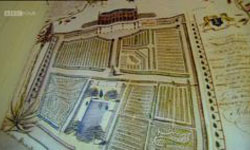
What makes plants grow is a simple enough question. The answer turns out to be one of the most complicated and fascinating stories in science and took over 300 years to unravel.
- TV-Recordings
- Biology
- TV-Recordings
- No subtitles
- 60
What makes plants grow is a simple enough question. The answer turns out to be one of the most complicated and fascinating stories in science and took over 300 years to unravel.
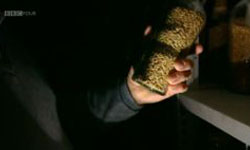
For 10,000 years or more, humans created new plant varieties for food by trial and error and a touch of serendipity. Then 150 years ago, a new era began. Pioneer botanists unlocked the patterns found in different types of plants and opened the door to a new branch of science - plant genetics. They discovered what controlled the random colours of snapdragon petals and the strange colours found in wild maize.
- TV-Recordings
- Biology
- TV-Recordings
- No subtitles
- 60
For 10,000 years or more, humans created new plant varieties for food by trial and error and a touch of serendipity. Then 150 years ago, a new era began. Pioneer botanists unlocked the patterns found in different types of plants and opened the door to a new branch of science - plant genetics. They discovered what controlled the random colours of snapdragon petals and the strange colours found in wild maize.