
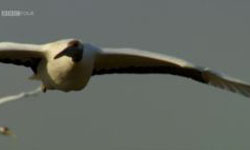
Ben Garrod finds out how the skeleton has allowed vertebrates to do the most remarkable thing of all - take to the air.
- TV-Recordings
- Biology
- English subtitles
- 30
Ben Garrod finds out how the skeleton has allowed vertebrates to do the most remarkable thing of all - take to the air.
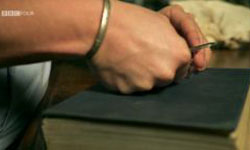
Ben Garrod delves into the surprising ways in which bone has evolved to help vertebrates sense the world around them. He reveals why predators like the wolf have eyes at the front of their skull whereas prey animals such as sheep usually have eye sockets on the side of their heads.
- TV-Recordings
- Biology
- English subtitles
- 30
Ben Garrod delves into the surprising ways in which bone has evolved to help vertebrates sense the world around them. He reveals why predators like the wolf have eyes at the front of their skull whereas prey animals such as sheep usually have eye sockets on the side of their heads.
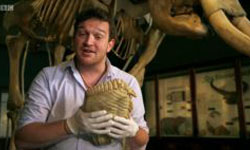
Ben Garrod uncovers the secrets of how vertebrates capture and devour their food using extreme jaws, bizarre teeth and specialized bony tools. He takes a cherry picker up a giant sperm whale's jaw, finds out which animal has teeth weighing five kilos each and which uses its skull as a suction pump.
- TV-Recordings
- Biology
- No subtitles
- 30
Ben Garrod uncovers the secrets of how vertebrates capture and devour their food using extreme jaws, bizarre teeth and specialized bony tools. He takes a cherry picker up a giant sperm whale's jaw, finds out which animal has teeth weighing five kilos each and which uses its skull as a suction pump.
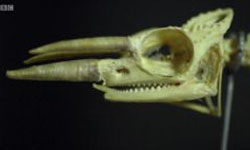
Ben Garrod seeks out the big part that bones can play in reproduction. Through sexual selection, the skeleton has adapted to aid courtship, competition and even copulation.
- TV-Recordings
- Biology
- No subtitles
- 30
Ben Garrod seeks out the big part that bones can play in reproduction. Through sexual selection, the skeleton has adapted to aid courtship, competition and even copulation.

-
Secrets of Skin
-
Sue Doody
Featuring groundbreaking new science, experiments and leading scientists from a variety of disciplines, the series unravels the natural history of the body's largest organ.
- TV-Recordings
- English subtitles
- 168
Featuring groundbreaking new science, experiments and leading scientists from a variety of disciplines, the series unravels the natural history of the body's largest organ.
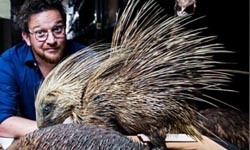
Professor Ben Garrod explores how versatile the basic skin structure truly is, revealing how slight adaptations have created birds' feathers and a rhinoceros’s horn.
- TV-Recordings
- English subtitles
- 28
Professor Ben Garrod explores how versatile the basic skin structure truly is, revealing how slight adaptations have created birds' feathers and a rhinoceros’s horn.
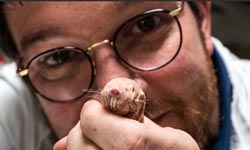
-
Secrets of Skin - Episode 2 - Moving
-
Sue Doody
What makes sharks built for speed? How do snakes move without limbs? How do sugar gliders fly without feathers? The answers all lie in their skin.
- TV-Recordings
- English subtitles
- 29
What makes sharks built for speed? How do snakes move without limbs? How do sugar gliders fly without feathers? The answers all lie in their skin.

-
Secrets of Skin - Episode 3 - Protection
-
Sue Doody
Professor Ben Garrod reveals how skin protects vertebrates from extremes of temperature, the harmful effect of UV and a host of living organisms that want to get in.
- TV-Recordings
- English subtitles
- 28
Professor Ben Garrod reveals how skin protects vertebrates from extremes of temperature, the harmful effect of UV and a host of living organisms that want to get in.
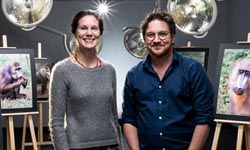
Professor Ben Garrod explores how skin has evolved remarkable ways to enable animals to communicate with each other, from vibrant displays of colour to skin pouches to amplify sound.
- TV-Recordings
- English subtitles
- 28
Professor Ben Garrod explores how skin has evolved remarkable ways to enable animals to communicate with each other, from vibrant displays of colour to skin pouches to amplify sound.
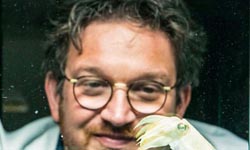
What is the most toxic animal on earth? Why is a rhino armour plated? Professor Ben Garrod discovers the complex ways in which skin helps defend animals against threats of all kinds.
- TV-Recordings
- English subtitles
- 28
What is the most toxic animal on earth? Why is a rhino armour plated? Professor Ben Garrod discovers the complex ways in which skin helps defend animals against threats of all kinds.
-
Secrets of Skin - Episode 6 - Sensing
-
Sue Doody
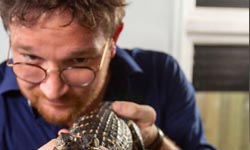
Professor Ben Garrod explores how some snakes can see using heat, how crocodiles feel through their jaws, and how some animals use electricity to navigate their world.
- TV-Recordings
- English subtitles
- 28
Professor Ben Garrod explores how some snakes can see using heat, how crocodiles feel through their jaws, and how some animals use electricity to navigate their world.
-
Secrets of the Brain Part 1
-
Jim Al-Khalili
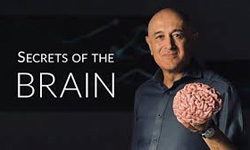
With some 100 billion neurons and over 100 trillion connections - more than all the stars in the Milky Way - the human brain is one of nature's greatest achievements. But how did something so incredibly sophisticated evolve from its simple beginnings?
- TV-Recordings
- English subtitles
- 59
With some 100 billion neurons and over 100 trillion connections - more than all the stars in the Milky Way - the human brain is one of nature's greatest achievements. But how did something so incredibly sophisticated evolve from its simple beginnings?

-
Secrets of the Brain Part 2
-
Jim Al-Khalili
From playing computer games with chimpanzees to studying modern relationships, Jim Al-Khalili investigates how the brain evolved and how it differs from AI.
- TV-Recordings
- English subtitles
- 59
From playing computer games with chimpanzees to studying modern relationships, Jim Al-Khalili investigates how the brain evolved and how it differs from AI.

Film telling the story of the greatest physicists of the 20th century and the discoveries they made, told in their own words. Men and women who transformed our understanding of the universe, from unlocking the secrets of the atom to solving the mysteries of the cosmos.
- TV-Recordings
- Physics
- English subtitles
- 60
Film telling the story of the greatest physicists of the 20th century and the discoveries they made, told in their own words. Men and women who transformed our understanding of the universe, from unlocking the secrets of the atom to solving the mysteries of the cosmos.

-
Seven Worlds One Planet - Series 1
-
David Attenborough
The series will celebrate the diversity of life on each of these continents, but also the challenges faced by animals in a modern world.
- TV-Recordings
- English subtitles
- 420
The series will celebrate the diversity of life on each of these continents, but also the challenges faced by animals in a modern world.
-
Seven Worlds One Planet - Series 1 - Episode 1: Antarctica
-
David Attenborough
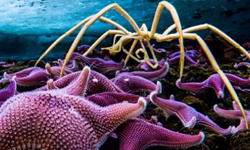
Antarctica - the coldest, windiest, most hostile continent. Only the toughest can survive here. But the ocean here is warming and with that comes an uncertain future.
- TV-Recordings
- English subtitles
- 60
Antarctica - the coldest, windiest, most hostile continent. Only the toughest can survive here. But the ocean here is warming and with that comes an uncertain future.
-
Seven Worlds One Planet - Series 1 - Episode 2: Asia
-
David Attenborough
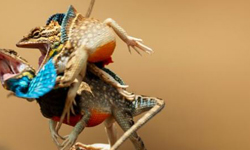
Asia - where rarely seen animals roam the hottest deserts, tallest jungles and highest mountains on Earth.
- TV-Recordings
- English subtitles
- 60
Asia - where rarely seen animals roam the hottest deserts, tallest jungles and highest mountains on Earth.
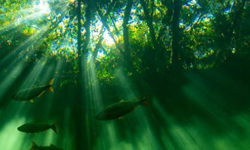
-
Seven Worlds One Planet - Series 1 - Episode 3: South America
-
David Attenborough
South America - the most species-rich continent on earth. From the volcanoes of the Andes to the world’s largest rainforest, animals here must specialise to carve out a niche.
- TV-Recordings
- English subtitles
- 60
South America - the most species-rich continent on earth. From the volcanoes of the Andes to the world’s largest rainforest, animals here must specialise to carve out a niche.
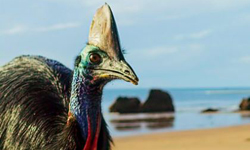
-
Seven Worlds One Planet - Series 1 - Episode 4: Australia
-
David Attenborough
Australia, a land cast adrift at the time of the dinosaurs. Isolated for millions of years, the weird and wonderful animals marooned here are like nowhere else on Earth.
- TV-Recordings
- English subtitles
- 60
Australia, a land cast adrift at the time of the dinosaurs. Isolated for millions of years, the weird and wonderful animals marooned here are like nowhere else on Earth.

-
Seven Worlds One Planet - Series 1 - Episode 5: Europe
-
David Attenborough
Europe - a continent transformed by mankind, where extraordinary animals are found in surprising places.
- TV-Recordings
- English subtitles
- 60
Europe - a continent transformed by mankind, where extraordinary animals are found in surprising places.

-
Seven Worlds One Planet - Series 1 - Episode 6: North America
-
David Attenborough
North America - a land of change where pioneering animals make the most of surprising opportunities.
- TV-Recordings
- English subtitles
- 60
North America - a land of change where pioneering animals make the most of surprising opportunities.

-
Seven Worlds One Planet - Series 1 - Episode 7: Africa
-
David Attenborough
Africa - home to the greatest wildlife gatherings on earth. But even in this land of plenty, wildlife faces huge challenges.
- TV-Recordings
- English subtitles
- 60
Africa - home to the greatest wildlife gatherings on earth. But even in this land of plenty, wildlife faces huge challenges.
Sex is a simple word for a very complex set of desires. It cuts to the core of our passions, our wants, our emotions. But when it goes wrong, it can be the most painful thing of all. Professor Alice Roberts looks through 45 years of Horizon archive to see how science came to understand sex, strived to solve our problems with it, and even help us to do it better. Can science save the day when sex goes wrong?
- TV-Recordings
- Biology
- English subtitles
- 60
Sex is a simple word for a very complex set of desires. It cuts to the core of our passions, our wants, our emotions. But when it goes wrong, it can be the most painful thing of all. Professor Alice Roberts looks through 45 years of Horizon archive to see how science came to understand sex, strived to solve our problems with it, and even help us to do it better. Can science save the day when sex goes wrong?

-
Shock and Awe: The Story of Electricity
-
BBC 4
Professor Jim Al-Khalili tells the story of our quest to master the power of electricity.
- TV-Recordings
- No subtitles
- 180
Professor Jim Al-Khalili tells the story of our quest to master the power of electricity.
How pioneers unlocked electricity's mysteries and built strange instruments to create it.
- TV-Recordings
- Physics
- TV-Recordings
- No subtitles
- 60
How pioneers unlocked electricity's mysteries and built strange instruments to create it.
How harnessing the link between magnetism and electricity transformed the world.
- TV-Recordings
- Physics
- TV-Recordings
- No subtitles
- 60
How harnessing the link between magnetism and electricity transformed the world.

How we finally came to understand the science of electricity.
- TV-Recordings
- Physics
- TV-Recordings
- No subtitles
- 60
How we finally came to understand the science of electricity.

-
Size Matters - Part 1
-
Matthew Thompson
Hannah Fry takes a spectacular look at the science of size. Hannah starts by asking whether things could be bigger, including Earth and living things.
- TV-Recordings
- English subtitles
- 58
Hannah Fry takes a spectacular look at the science of size. Hannah starts by asking whether things could be bigger, including Earth and living things.

-
Size Matters - Part 2
-
Matthew Thompson
Hannah Fry takes a look at the science of size. Here, she asks if things could be smaller, including the Earth, living things and the Sun.
- TV-Recordings
- English subtitles
- 58
Hannah Fry takes a look at the science of size. Here, she asks if things could be smaller, including the Earth, living things and the Sun.

-
Sound Waves: The Symphony of Physics - Part 1 - Making Sound
-
Dr Helen Czerski.
Dr Helen Czerski examines the world of sound waves. She investigates the extraordinary science behind the sounds we're familiar with and the sounds that we normally can't hear.
- TV-Recordings
- English subtitles
- 60
Dr Helen Czerski examines the world of sound waves. She investigates the extraordinary science behind the sounds we're familiar with and the sounds that we normally can't hear.