
Use GEO to practise reading authentic German and build vocabulary through news and current topics.
Use GEO to practise reading authentic German and build vocabulary through news and current topics.
-
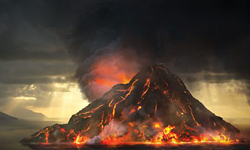
A Day in the Life of Earth
-
Matthew Dyas
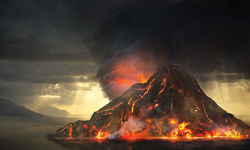
Presenter Hannah Fry reveals how much our planet can change in just a single day and how these daily changes are essential to our existence.
- TV-Recordings
- English subtitles
- 58
Presenter Hannah Fry reveals how much our planet can change in just a single day and how these daily changes are essential to our existence.
Presenter Hannah Fry reveals how much our planet can change in just a single day and how these daily changes are essential to our existence.
- TV-Recordings
- English subtitles
- 58
Presenter Hannah Fry reveals how much our planet can change in just a single day and how these daily changes are essential to our existence.
Ever wondered what would happen in your own home if you were taken away, and everything inside was left to rot? The answer is revealed in this fascinating programme.
- TV-Recordings
- Biology
- TV-Recordings
- No subtitles
- 90
Ever wondered what would happen in your own home if you were taken away, and everything inside was left to rot? The answer is revealed in this fascinating programme.
A series of films about how humans have been colonised by the machines they have built. Although we don't realise it, the way we see everything in the world today is through the eyes of the computers.
- TV-Recordings
- History
- Politics & Public Policy
- TV-Recordings
- No subtitles
- 60
A series of films about how humans have been colonised by the machines they have built. Although we don't realise it, the way we see everything in the world today is through the eyes of the computers.

-
All Watched Over by Machines of Loving Grace Part 2: The Use and Abuse of Vegetational Concepts
-
Adam Curtis
This looks at how the idea of nature as a self-regulating ecosystem is a machine fantasy.
- TV-Recordings
- History
- Politics & Public Policy
- TV-Recordings
- No subtitles
- 60
This looks at how the idea of nature as a self-regulating ecosystem is a machine fantasy.

-
All Watched Over by Machines of Loving Grace Part 3: The Monkey in the Machine and the Machine in the Monkey
-
Adam Curtis
Why do humans find the machine vision so beguiling - does it excuse our failure?
- TV-Recordings
- History
- Politics & Public Policy
- TV-Recordings
- No subtitles
- 60
Why do humans find the machine vision so beguiling - does it excuse our failure?
The Bible describes how Sodom and Gomorrah were destroyed in a storm of fire and brimstone. Could the inspiration for this story come from a natural apocalypse around the Dead Sea in the Middle East?
- TV-Recordings
- Classical Civilisation
- Religion
- TV-Recordings
- No subtitles
- 50
The Bible describes how Sodom and Gomorrah were destroyed in a storm of fire and brimstone. Could the inspiration for this story come from a natural apocalypse around the Dead Sea in the Middle East?

Time Shift reveals the history of the frozen continent, finding out why the most inhospitable place on the planet has exerted such a powerful hold on the imagination of explorers, scientists, writers and photographers.
- TV-Recordings
- Geography
- TV-Recordings
- No subtitles
- 60
Time Shift reveals the history of the frozen continent, finding out why the most inhospitable place on the planet has exerted such a powerful hold on the imagination of explorers, scientists, writers and photographers.
David Attenborough explores just how far climate change is altering our planet, from drought-stricken rainforest to declining polar bears, from flooded homes to bleached coral. He searches for the evidence that it is our daily activities which are radically changing the climate, leaving the future of Earth largely up to us.
- TV-Recordings
- Geography
- Natural World
- TV-Recordings
- No subtitles
- 59
David Attenborough explores just how far climate change is altering our planet, from drought-stricken rainforest to declining polar bears, from flooded homes to bleached coral. He searches for the evidence that it is our daily activities which are radically changing the climate, leaving the future of Earth largely up to us.

In the 4th century BC the Greek philosopher Aristotle travelled to Lesvos, an island in the Aegean teeming, then as now, with wildlife.
- TV-Recordings
- Biology
- Classical Civilisation
- TV-Recordings
- No subtitles
- 60
In the 4th century BC the Greek philosopher Aristotle travelled to Lesvos, an island in the Aegean teeming, then as now, with wildlife.
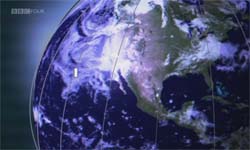
A unique journey around the weird and wonderful planet that we call home.
- TV-Recordings
- Geography
- TV-Recordings
- No subtitles
- 60
A unique journey around the weird and wonderful planet that we call home.

-
Big Oil v the World
-
Dan Edge
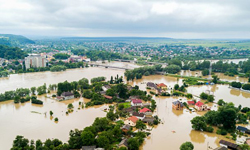
The most important story of our time. Despite climate chaos raging across the planet and urgent warnings from experts, our dependence on fossil fuels persists. How did we get here?
- TV-Recordings
- English subtitles
- 179
The most important story of our time. Despite climate chaos raging across the planet and urgent warnings from experts, our dependence on fossil fuels persists. How did we get here?
-
Big Oil v the World - Episode 1
-
Jane McMullen
The story of what the fossil fuel industry knew about climate change more than four decades ago, as scientists working for Exxon reveal how they sounded the alarm about the effects of fossil fuels.
- TV-Recordings
- English subtitles
- 59
The story of what the fossil fuel industry knew about climate change more than four decades ago, as scientists working for Exxon reveal how they sounded the alarm about the effects of fossil fuels.

-
Big Oil v the World - Episode 2
-
Gesbeen Mohammad
Even as the science grew more certain, the oil industry continued to block action to tackle climate change in the new millennium.
- TV-Recordings
- English subtitles
- 60
Even as the science grew more certain, the oil industry continued to block action to tackle climate change in the new millennium.
-
Big Oil v the World - Episode 3
-
Robin Barnwell
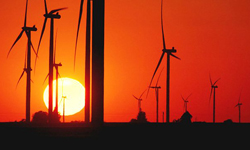
How the 2010s became another lost decade in the fight against climate change – as the move to natural gas delayed a transition to more renewable sources of energy.
- TV-Recordings
- English subtitles
- 60
How the 2010s became another lost decade in the fight against climate change – as the move to natural gas delayed a transition to more renewable sources of energy.
-
Earth From Space
-
BBC
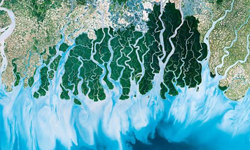
Cameras in space tell stories of life on our planet from a brand new perspective, revealing new discoveries, incredible colours and patterns, and just how fast it is changing.
- TV-Recordings
- English subtitles
- 236
Cameras in space tell stories of life on our planet from a brand new perspective, revealing new discoveries, incredible colours and patterns, and just how fast it is changing.

From space, we follow elephants struggling through drought, reveal unknown penguin colonies from the colour of their poo, and discover strange ice rings that could endanger seals.
- TV-Recordings
- English subtitles
- 59
From space, we follow elephants struggling through drought, reveal unknown penguin colonies from the colour of their poo, and discover strange ice rings that could endanger seals.

From space, Earth's surface is covered in wonderful shapes. Wombats dig burrows across the Australian outback and elephants in in the Congo clear an opening in the forest.
- TV-Recordings
- English subtitles
- 59
From space, Earth's surface is covered in wonderful shapes. Wombats dig burrows across the Australian outback and elephants in in the Congo clear an opening in the forest.
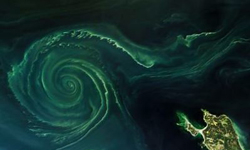
From space, Earth is a kaleidoscope. Turquoise plankton blooms trigger a feeding frenzy, China turns yellow with rapeseed flowers, and mysterious green lights appear in the ocean.
- TV-Recordings
- English subtitles
- 59
From space, Earth is a kaleidoscope. Turquoise plankton blooms trigger a feeding frenzy, China turns yellow with rapeseed flowers, and mysterious green lights appear in the ocean.
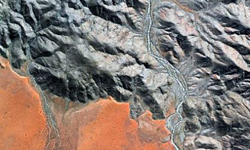
Cameras in space show that Earth is changing rapidly. Cities sprawl while forests and glaciers shrink. But in Tanzania locals have regenerated the landscape to save chimpanzees.
- TV-Recordings
- English subtitles
- 59
Cameras in space show that Earth is changing rapidly. Cities sprawl while forests and glaciers shrink. But in Tanzania locals have regenerated the landscape to save chimpanzees.
-
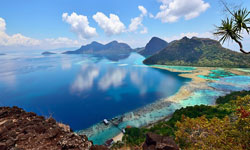
Earths Tropical Islands
-
Mark Brownlow
Exploring some of the world's most isolated and iconic tropical islands.
- TV-Recordings
- English subtitles
- 177
Exploring some of the world's most isolated and iconic tropical islands.

Journey across Madagascar, the oldest island on Earth. Over time, it has given rise to more unique plants and animals, from its lemurs to chameleons, than any other island.
- TV-Recordings
- English subtitles
- 58
Journey across Madagascar, the oldest island on Earth. Over time, it has given rise to more unique plants and animals, from its lemurs to chameleons, than any other island.
-
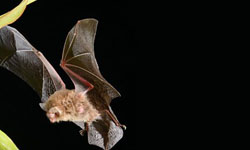
Earths Tropical Islands - Series 1 - Episode 2 - Borneo
-
Mark Brownlow
A journey from Borneo's rich coral reefs, through lush jungles to its mountainous heart, revealing why this island is home to a greater variety of life than almost any other.
- TV-Recordings
- English subtitles
- 59
A journey from Borneo's rich coral reefs, through lush jungles to its mountainous heart, revealing why this island is home to a greater variety of life than almost any other.

-
Earths Tropical Islands - Series 1 - Episode 3 - Hawaii
-
Mark Brownlow
Exploring Hawaii, a tropical sanctuary for any wildlife that can reach its remote shores. From humpback whales to waterfall-climbing fish, it is home to an extraordinary wealth of wildlife.
- TV-Recordings
- English subtitles
- 59
Exploring Hawaii, a tropical sanctuary for any wildlife that can reach its remote shores. From humpback whales to waterfall-climbing fish, it is home to an extraordinary wealth of wildlife.

-
Einstein's Quantum Riddle
-
Jamie Lochhead
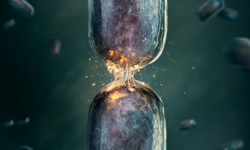
The story of quantum entanglement, perhaps the strangest concept in science. Mind-bending concepts and brilliant experiments lead us to a profound new understanding of reality.
- TV-Recordings
- English subtitles
- 58
The story of quantum entanglement, perhaps the strangest concept in science. Mind-bending concepts and brilliant experiments lead us to a profound new understanding of reality.
-
Evolution - Series 1
-
Tom Hewitson
From a single spark of life, through millions of generations, animals have become diverse, weird and beautiful. Chris Packham tells the incredible story in astonishing new detail.
- TV-Recordings
- English subtitles
- 289
From a single spark of life, through millions of generations, animals have become diverse, weird and beautiful. Chris Packham tells the incredible story in astonishing new detail.
-
Evolution - Series 1 - Episode 1 - The Elephant
-
Tom Hewitson
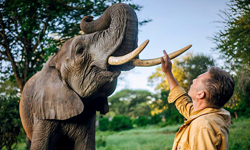
How did the elephant get so big? Chris Packham explores the four-billion-year story of how a tiny cell evolved into complex, gentle giants.
- TV-Recordings
- English subtitles
- 58
How did the elephant get so big? Chris Packham explores the four-billion-year story of how a tiny cell evolved into complex, gentle giants.
-
Evolution - Series 1 - Episode 2 - The Ostrich
-
Laura Mulholland
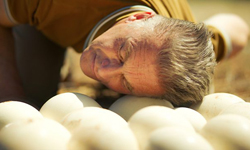
How did the ostrich come to lay the biggest egg on earth? Chris Packham explores the way reproduction has shaped life on earth and the surprising evolutionary origins of sex, eggs and birds. It's a four-billion-year journey contained within a shell.
- TV-Recordings
- English subtitles
- 58
How did the ostrich come to lay the biggest egg on earth? Chris Packham explores the way reproduction has shaped life on earth and the surprising evolutionary origins of sex, eggs and birds. It's a four-billion-year journey contained within a shell.
-
Evolution - Series 1 - Episode 3 - The Bat
-
Fleur Bone
How did the bat get so hungry? Chris Packham explores how the drive to find food has shaped animal life. The origin of bums, guts, jaws and super hearing.
- TV-Recordings
- English subtitles
- 58
How did the bat get so hungry? Chris Packham explores how the drive to find food has shaped animal life. The origin of bums, guts, jaws and super hearing.