
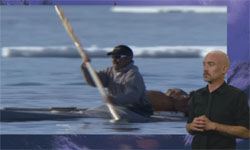
The Arctic is the harshest environment on Earth: little food grows, it's dark for months on end, and temperatures stay well below freezing for much of the year. Yet four million people manage to survive here.
- British-Sign-Language
- British-Sign-Language
- Natural World
- BSL subtitles
- 60
The Arctic is the harshest environment on Earth: little food grows, it's dark for months on end, and temperatures stay well below freezing for much of the year. Yet four million people manage to survive here.

-
A Perfect Planet - Series 1 Episode 1: Volcano
-
David Attenborough
A look at how without volcanoes, there would be no life on Earth. Although destructive, magma from the planet’s molten core builds land, and mineral-rich ash from eruptions fertilises the surface
- TV-Recordings
- English subtitles
- 59
A look at how without volcanoes, there would be no life on Earth. Although destructive, magma from the planet’s molten core builds land, and mineral-rich ash from eruptions fertilises the surface
-
A Perfect Planet - Series 1 Episode 2: The Sun
-
David Attenborough
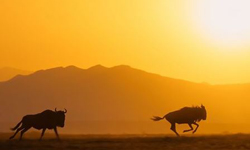
From the frozen poles to the searing deserts, this episode shows how animals have come up with strategies to survive the uneven amounts of sunlight that fall on our planet.
- TV-Recordings
- English subtitles
- 59
From the frozen poles to the searing deserts, this episode shows how animals have come up with strategies to survive the uneven amounts of sunlight that fall on our planet.
-
A Perfect Planet - Series 1 Episode 3: Weather
-
David Attenborough
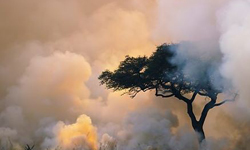
Weather controls the distribution of freshwater on Earth, which in turn shapes the lives of animals in diverse habitats around the globe.
- TV-Recordings
- English subtitles
- 59
Weather controls the distribution of freshwater on Earth, which in turn shapes the lives of animals in diverse habitats around the globe.

-
A Perfect Planet - Series 1 Episode 4: Oceans
-
David Attenborough
How Earth's five oceans connect to form the largest ecosystem on the planet, and how its network of currents supports the health of the seas and marine wildlife.
- TV-Recordings
- English subtitles
- 59
How Earth's five oceans connect to form the largest ecosystem on the planet, and how its network of currents supports the health of the seas and marine wildlife.
-
A Perfect Planet - Series 1 Episode 5: Humans
-
David Attenborough
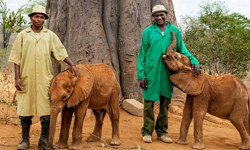
Humans are changing our planet so rapidly, it’s affecting earth’s life support systems: our weather, our oceans and the living world.
- TV-Recordings
- English subtitles
- 59
Humans are changing our planet so rapidly, it’s affecting earth’s life support systems: our weather, our oceans and the living world.
-
A Perfect Planet Series 1
-
David Attenborough
Our planet is one in a billion. How incredible, awe-inspiring life is driven by its natural forces - and how we can ensure humans become a force for good. With David Attenborough.
- TV-Recordings
- English subtitles
- 300
Our planet is one in a billion. How incredible, awe-inspiring life is driven by its natural forces - and how we can ensure humans become a force for good. With David Attenborough.
-
Africa
-
BBC
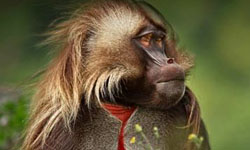
Eye to eye with the unknown - the world's wildest continent.
- TV-Recordings
- No subtitles
- No
Eye to eye with the unknown - the world's wildest continent.

David Attenborough takes a breathtaking journey through the vast and diverse continent of Africa as it has never been seen before.
- TV-Recordings
- Natural World
- TV-Recordings
- No subtitles
- 60
David Attenborough takes a breathtaking journey through the vast and diverse continent of Africa as it has never been seen before.

East Africa is a land which is constantly changing. To survive here, creatures must be able to deal with unpredictable twists and turns - wet turning to dry, feast to famine, cold to hot - no matter how hostile it becomes
- TV-Recordings
- Natural World
- TV-Recordings
- No subtitles
- 60
East Africa is a land which is constantly changing. To survive here, creatures must be able to deal with unpredictable twists and turns - wet turning to dry, feast to famine, cold to hot - no matter how hostile it becomes

The very heart of Africa is covered in dense tropical rainforest. The animals that live here find the most ingenious ways to carve out their space in a claustrophobic landscape.
- TV-Recordings
- Natural World
- TV-Recordings
- No subtitles
- 60
The very heart of Africa is covered in dense tropical rainforest. The animals that live here find the most ingenious ways to carve out their space in a claustrophobic landscape.

Southern Africa is a riot of life and colour because of two great ocean currents that sweep around the continent\'s Cape.
- TV-Recordings
- Natural World
- TV-Recordings
- No subtitles
- 60
Southern Africa is a riot of life and colour because of two great ocean currents that sweep around the continent\'s Cape.
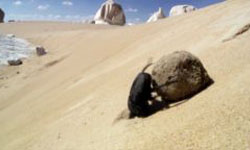
Northern Africa is home to the greatest desert on Earth, the Sahara. On the fringes, huge zebras battle over dwindling resources and naked mole rats avoid the heat by living a bizarre underground existence. Within the desert, where the sand dunes \\\'sing\\\', camels seek out water with the help of their herders and tiny swallows navigate across thousands of square miles to find a solitary oasis.
- TV-Recordings
- Natural World
- TV-Recordings
- No subtitles
- 60
Northern Africa is home to the greatest desert on Earth, the Sahara. On the fringes, huge zebras battle over dwindling resources and naked mole rats avoid the heat by living a bizarre underground existence. Within the desert, where the sand dunes \\\'sing\\\', camels seek out water with the help of their herders and tiny swallows navigate across thousands of square miles to find a solitary oasis.
David Attenborough comes face-to-face with a baby rhino and asks what the future holds for this little one. He meets the local people who are standing side-by-side with the wildlife at this pivotal moment in their history. We discover what it takes to save a species, hold back a desert and even resurrect an entire wilderness - revealing what the world was like before modern man.
- TV-Recordings
- Natural World
- TV-Recordings
- No subtitles
- 60
David Attenborough comes face-to-face with a baby rhino and asks what the future holds for this little one. He meets the local people who are standing side-by-side with the wildlife at this pivotal moment in their history. We discover what it takes to save a species, hold back a desert and even resurrect an entire wilderness - revealing what the world was like before modern man.
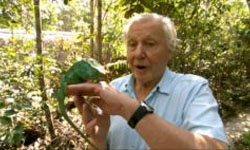
David Attenborough returns to the island of Madagascar on a very personal quest.
- TV-Recordings
- Geography
- TV-Recordings
- English subtitles
- 60
David Attenborough returns to the island of Madagascar on a very personal quest.
-
Attenborough: 60 Years in the Wild
-
BBC
Over three very personal films, Sir David Attenborough looks back at the unparalleled changes in natural history that he has witnessed during his 60-year career
- TV-Recordings
- No subtitles
- 180
Over three very personal films, Sir David Attenborough looks back at the unparalleled changes in natural history that he has witnessed during his 60-year career
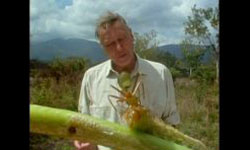
Sir David Attenborough gives his unique perspective on over half a century of innovation in wildlife filmmaking - developments that have brought ever more breathtaking and intimate images of wildlife to our television screens, changing our view of life on the planet forever.
- TV-Recordings
- Natural World
- TV-Recordings
- No subtitles
- 60
Sir David Attenborough gives his unique perspective on over half a century of innovation in wildlife filmmaking - developments that have brought ever more breathtaking and intimate images of wildlife to our television screens, changing our view of life on the planet forever.

David Attenborough reviews the most exciting scientific discoveries that have transformed our view of life on earth during his lifetime. How and where did life first begin? How do continents move? How do animals communicate? And why do they behave the way they do?
- TV-Recordings
- Natural World
- TV-Recordings
- No subtitles
- 60
David Attenborough reviews the most exciting scientific discoveries that have transformed our view of life on earth during his lifetime. How and where did life first begin? How do continents move? How do animals communicate? And why do they behave the way they do?
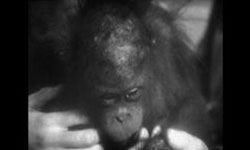
Sir David Attenborough reflects on the dramatic impact that humankind has had on the natural world within his own lifetime. He tells the surprising and deeply personal story of the changes he has seen, of the pioneering conservationists with who he has worked - and of the global revolution in attitudes towards nature that has taken place within the last six decades.
- TV-Recordings
- Natural World
- TV-Recordings
- No subtitles
- 60
Sir David Attenborough reflects on the dramatic impact that humankind has had on the natural world within his own lifetime. He tells the surprising and deeply personal story of the changes he has seen, of the pioneering conservationists with who he has worked - and of the global revolution in attitudes towards nature that has taken place within the last six decades.

-
Attenborough's Life in Colour - Episode 1 - Seeing in Colour
-
David Attenborough
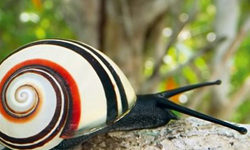
Using the latest camera technology, David Attenborough reveals the extraordinary ways in which animals use colour: to win a mate, to fight off rivals and to warn enemies.
- TV-Recordings
- English subtitles
- 58
Using the latest camera technology, David Attenborough reveals the extraordinary ways in which animals use colour: to win a mate, to fight off rivals and to warn enemies.
-
Attenborough's Life in Colour - Episode 2 - Hiding in Colour
-
David Attenborough
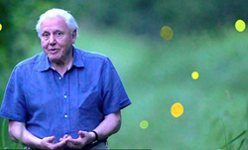
David Attenborough reveals the extraordinary ways that some animals use colour to hide and disappear into the background.
- TV-Recordings
- English subtitles
- 58
David Attenborough reveals the extraordinary ways that some animals use colour to hide and disappear into the background.
-
Attenborough's Life That Glows
-
David Attenborough
Luminous beings, creatures with their own internal light, enchant and astonish us. Anyone who has seen a firefly or a glow-worm cannot help but fall under their spell. The sea at night sparkles as millions of luminous plankton reveal the shapes of dolphins in a truly magical light show
- TV-Recordings
- Natural World
- English subtitles
- 60
Luminous beings, creatures with their own internal light, enchant and astonish us. Anyone who has seen a firefly or a glow-worm cannot help but fall under their spell. The sea at night sparkles as millions of luminous plankton reveal the shapes of dolphins in a truly magical light show

-
Blue Planet 2
-
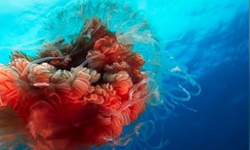
Wildlife documentary series, presented and narrated by David Attenborough, exploring the planet's oceans.
- TV-Recordings
- English subtitles
- 420
Wildlife documentary series, presented and narrated by David Attenborough, exploring the planet's oceans.
-
Blue Planet 2 - 04: Big Blue HD Version
-
David Attenborough
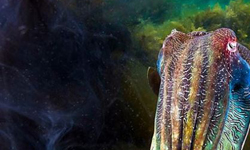
The big blue is the world's greatest wilderness, far from shore and many kilometres deep. It's a vast marine desert where there is little to eat and nowhere to hide.
- TV-Recordings
- English subtitles
- 60
The big blue is the world's greatest wilderness, far from shore and many kilometres deep. It's a vast marine desert where there is little to eat and nowhere to hide.
-
Blue Planet 2 - 05: Green Seas
-
David Attenborough
It's our green seas, not the blue, that bring life to our oceans. Here sunlight powers the growth of enchanted forests of kelp, mangroves and prairies of sea grass.
- TV-Recordings
- English subtitles
- 60
It's our green seas, not the blue, that bring life to our oceans. Here sunlight powers the growth of enchanted forests of kelp, mangroves and prairies of sea grass.
-
Blue Planet 2 - 08 : Oceans of Wonder
-
David Attenborough
This extended special of the nature documentary series journeys from the equator to the unexplored depths, meeting the best-loved characters from the series.
- TV-Recordings
- English subtitles
- 90
This extended special of the nature documentary series journeys from the equator to the unexplored depths, meeting the best-loved characters from the series.
-
Blue Planet 2 - 08 : Oceans of Wonder HD Version
-
David Attenborough
This extended special of the nature documentary series journeys from the equator to the unexplored depths, meeting the best-loved characters from the series.
- TV-Recordings
- English subtitles
- 90
This extended special of the nature documentary series journeys from the equator to the unexplored depths, meeting the best-loved characters from the series.
In the second of a two-part documentary, David Attenborough explores how much climate change is altering our planet, suggesting ways we can help.
- TV-Recordings
- Geography
- TV-Recordings
- No subtitles
- 59
In the second of a two-part documentary, David Attenborough explores how much climate change is altering our planet, suggesting ways we can help.

-
Charles Darwin and the Tree of Life
-
David Attenborough
David Attenborough asks three key questions: how and why did Darwin come up with his theory of evolution? Why do we think he was right? And why is it more important now than ever before?
- TV-Recordings
- Biology
- Humanities
- TV-Recordings
- No subtitles
- 50
David Attenborough asks three key questions: how and why did Darwin come up with his theory of evolution? Why do we think he was right? And why is it more important now than ever before?

-
Climate Change - The Facts
-
Serena Davies
After one of the hottest years on record, Sir David Attenborough looks at the science of climate change and potential solutions to this global threat.
- TV-Recordings
- English subtitles
- 60
After one of the hottest years on record, Sir David Attenborough looks at the science of climate change and potential solutions to this global threat.