
-
Life
-
David Attenborough
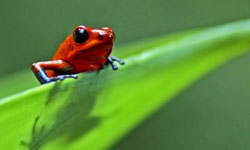
David Attenborough looks at the extraordinary ends to which animals and plants go in order to survive. Featuring epic spectacles, amazing TV firsts and examples of new wildlife behaviour.
- TV-Recordings
- No subtitles
- 480
David Attenborough looks at the extraordinary ends to which animals and plants go in order to survive. Featuring epic spectacles, amazing TV firsts and examples of new wildlife behaviour.
-
Life - Challenges of Life
-
David Attenborough
In nature, living long enough to breed is a monumental struggle. Many animals and plants go to extremes to give themselves a chance.
- TV-Recordings
- Biology
- TV-Recordings
- No subtitles
- 60
In nature, living long enough to breed is a monumental struggle. Many animals and plants go to extremes to give themselves a chance.
-
Life - Fish
-
David Attenborough
Fish dominate the planet\'s waters through their astonishing variety of shape and behaviour.
- TV-Recordings
- Biology
- TV-Recordings
- No subtitles
- 60
Fish dominate the planet\'s waters through their astonishing variety of shape and behaviour.
-
Life - Hunters and Hunted
-
David Attenborough
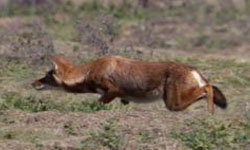
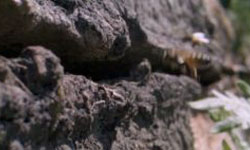
Mammals\' ability to learn new tricks is the key to survival in the knife-edge world of hunters and hunted. In a TV first, a killer whale off the Falklands does something unique: it sneaks into a pool where elephant seal pups learn to swim and snatches them, saving itself the trouble of hunting in the open sea.
- TV-Recordings
- Biology
- TV-Recordings
- No subtitles
- 58
Mammals\' ability to learn new tricks is the key to survival in the knife-edge world of hunters and hunted. In a TV first, a killer whale off the Falklands does something unique: it sneaks into a pool where elephant seal pups learn to swim and snatches them, saving itself the trouble of hunting in the open sea.
-
Life - Insects
-
BBC
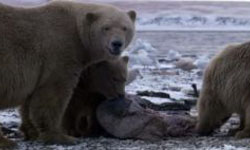
There are 200 million insects for each of us. They are the most successful animal group ever. Their key is an armoured covering that takes on almost any shape.
- TV-Recordings
- Biology
- TV-Recordings
- No subtitles
- 60
There are 200 million insects for each of us. They are the most successful animal group ever. Their key is an armoured covering that takes on almost any shape.
-
Life - Mammals
-
David Attenborough
Mammals dominate the planet. They do it through having warm blood and by the care they lavish on their young.
- TV-Recordings
- Biology
- TV-Recordings
- No subtitles
- 60
Mammals dominate the planet. They do it through having warm blood and by the care they lavish on their young.

-
Life - Plants
-
David Attenborough
Plants\' solutions to life\'s challenges are as ingenious and manipulative as any animal\'s.
- TV-Recordings
- Biology
- TV-Recordings
- No subtitles
- 59
Plants\' solutions to life\'s challenges are as ingenious and manipulative as any animal\'s.
-
Life - Primates
-
David Attenborough
Primates are just like us - intelligent, quarrelsome, family-centred.
- TV-Recordings
- Biology
- TV-Recordings
- No subtitles
- 58
Primates are just like us - intelligent, quarrelsome, family-centred.

-
Life - Reptiles and Amphibians
-
David Attenborough
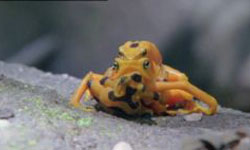
Reptiles and amphibians look like hang-overs from the past. But they overcome their shortcomings through amazing innovation.
- TV-Recordings
- Biology
- TV-Recordings
- No subtitles
- 60
Reptiles and amphibians look like hang-overs from the past. But they overcome their shortcomings through amazing innovation.

-
Life In Cold Blood
-
BBC 1
David Attenborough reveals the surprising truth about the cold-blooded lives of reptiles and amphibians. These animals are as dramatic, as colourful and as tender as any other animals.
- TV-Recordings
- No subtitles
- 180
David Attenborough reveals the surprising truth about the cold-blooded lives of reptiles and amphibians. These animals are as dramatic, as colourful and as tender as any other animals.

The final programme covers the most ancient of the reptiles: the crocodiles and turtles. In the Galápagos Islands, among the giant tortoises, Attenborough explains how the creatures came to develop their shells as a defence against predators.
- TV-Recordings
- Biology
- TV-Recordings
- No subtitles
- 58
The final programme covers the most ancient of the reptiles: the crocodiles and turtles. In the Galápagos Islands, among the giant tortoises, Attenborough explains how the creatures came to develop their shells as a defence against predators.

The fourth episode focuses on the most modern reptiles, the snakes, exploring how they have managed to become successful despite their elongated body shape. Attenborough explains how they evolved from underground burrowers to surface hunters, losing their limbs in the process.
- TV-Recordings
- Biology
- TV-Recordings
- No subtitles
- 58
The fourth episode focuses on the most modern reptiles, the snakes, exploring how they have managed to become successful despite their elongated body shape. Attenborough explains how they evolved from underground burrowers to surface hunters, losing their limbs in the process.
-
Life In Cold Blood: Land Invaders
-
David Attenborough
The extraordinary and intimate lives of the soft-skinned amphibians. Marsupial frogs where the father carries his young in pouches, giant metre-long salamanders staging wrestling matches and newts that display just like birds of paradise.
- TV-Recordings
- Biology
- TV-Recordings
- No subtitles
- 57
The extraordinary and intimate lives of the soft-skinned amphibians. Marsupial frogs where the father carries his young in pouches, giant metre-long salamanders staging wrestling matches and newts that display just like birds of paradise.

-
Life in the Freezer
-
Alastair Fothergill
Sir David Attenborough looks at the natural history of the Antarctic continent
- TV-Recordings
- No subtitles
- 110
Sir David Attenborough looks at the natural history of the Antarctic continent
-
Life in the Freezer - 01 The Bountiful Sea
-
Alastair Fothergill
An encounter with the penguins, whales, albatross and other animals that eke out a living in the Antarctic. First in the series
- TV-Recordings
- Biology
- TV-Recordings
- No subtitles
- 25
An encounter with the penguins, whales, albatross and other animals that eke out a living in the Antarctic. First in the series
-
Life in the Freezer - 02 The Ice Retreats
-
Alastair Fothergill
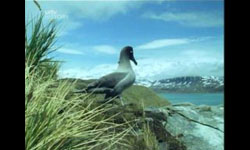
Documentary about the wildlife in Antarctica. In September, spring begins, and the programme follows the activities of elephant seals, albatross, penguins, crab-eater seals and snow petrels. Second in the series
- TV-Recordings
- Biology
- TV-Recordings
- No subtitles
- 25
Documentary about the wildlife in Antarctica. In September, spring begins, and the programme follows the activities of elephant seals, albatross, penguins, crab-eater seals and snow petrels. Second in the series
-
Life in the Freezer - 03 The Race to Breed
-
Alastair Fothergill
Documentary about the wildlife in and around Antarctica during the short summer, when seals and penguins are racing to raise their young before the return of the long winter. Third in the series
- TV-Recordings
- Biology
- TV-Recordings
- No subtitles
- 25
Documentary about the wildlife in and around Antarctica during the short summer, when seals and penguins are racing to raise their young before the return of the long winter. Third in the series

-
Life in the Freezer - 04 The Door Closes
-
Alastair Fothergill
Penguins, seals, albatross and whales prepare to leave Antarctica before the winter storms shut off their food supplies. Fourth in the series
- TV-Recordings
- Biology
- TV-Recordings
- No subtitles
- 25
Penguins, seals, albatross and whales prepare to leave Antarctica before the winter storms shut off their food supplies. Fourth in the series

-
Life in the Freezer - 05 The Big Freeze
-
Alastair Fothergill
About wildlife in Antarctica in the middle of winter. Weddell seals maintain holes in the ice for access to food and shelter from the worst storms. Fish hide in the ice relying on their own natural anti-freeze to stop ice crystals growing in their tissues. Emperor penguins huddle together in groups to incubate a single egg. Fifth in the series
- TV-Recordings
- Biology
- TV-Recordings
- No subtitles
- 25
About wildlife in Antarctica in the middle of winter. Weddell seals maintain holes in the ice for access to food and shelter from the worst storms. Fish hide in the ice relying on their own natural anti-freeze to stop ice crystals growing in their tissues. Emperor penguins huddle together in groups to incubate a single egg. Fifth in the series
-
Life in the Freezer - 06 Footsteps in the Snow
-
Alastair Fothergill
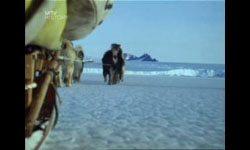
David Attenborough visits Captain Scott's abandoned hut in Antarctica and recounts the epic story of his struggle to be the first human being to stand at the South Pole. Now there is a permanent settlement of scientists. He explains the techniques, both old and new, used to capture the images used in "Life in the Freezer." Sixth in the series
- TV-Recordings
- Biology
- History
- TV-Recordings
- No subtitles
- 25
David Attenborough visits Captain Scott's abandoned hut in Antarctica and recounts the epic story of his struggle to be the first human being to stand at the South Pole. Now there is a permanent settlement of scientists. He explains the techniques, both old and new, used to capture the images used in "Life in the Freezer." Sixth in the series
-
Life on Earth
-
BBC
The story of life, from the first primitive cells to the plants and animals that now live around us.
- TV-Recordings
- No subtitles
- 705
The story of life, from the first primitive cells to the plants and animals that now live around us.
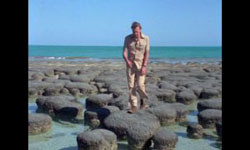
Life on Earth: A Natural History by David Attenborough is a groundbreaking television natural history series made by the BBC in association with Warner Bros. and Reiner Moritz Productions. It was transmitted in the UK from 16 January 1979.
- TV-Recordings
- Biology
- Environmental Studies
- TV-Recordings
- No subtitles
- 45
Life on Earth: A Natural History by David Attenborough is a groundbreaking television natural history series made by the BBC in association with Warner Bros. and Reiner Moritz Productions. It was transmitted in the UK from 16 January 1979.
A little furry animal from the jungles of South-East Asia, called a tree shrew, has attracted great interest from scientists because it shows how a great group of animals may have originated - the mammals.
- TV-Recordings
- Natural World
- TV-Recordings
- No subtitles
- 55
A little furry animal from the jungles of South-East Asia, called a tree shrew, has attracted great interest from scientists because it shows how a great group of animals may have originated - the mammals.
David Attenborough explores the eternal duel between the hunters and the hunted - one of the driving forces of evolution.
- TV-Recordings
- Natural World
- TV-Recordings
- No subtitles
- 55
David Attenborough explores the eternal duel between the hunters and the hunted - one of the driving forces of evolution.
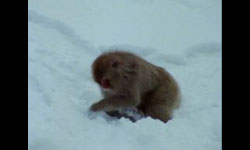
David Attenborough's now legendary encounter with young gorillas is featured in this episode as he looks at the history of primates, whose ancestors sought their fortune in the treetops. There they developed binocular vision for accurately judging distances, and the ability to grasp trees with a firm grip. The group includes dazzling gymnasts, deafening choristers and highly cultured monkeys.
- TV-Recordings
- Natural World
- TV-Recordings
- No subtitles
- 55
David Attenborough's now legendary encounter with young gorillas is featured in this episode as he looks at the history of primates, whose ancestors sought their fortune in the treetops. There they developed binocular vision for accurately judging distances, and the ability to grasp trees with a firm grip. The group includes dazzling gymnasts, deafening choristers and highly cultured monkeys.

David Attenborough looks for crucial clues that help to explain how and why we have come to dominate life on Earth.
- TV-Recordings
- Natural World
- TV-Recordings
- No subtitles
- 55
David Attenborough looks for crucial clues that help to explain how and why we have come to dominate life on Earth.
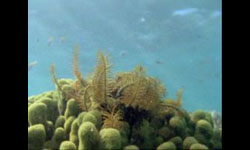
Bright blue starfish, crimson feather stars, shell-less snails in designs as extravagant as any Paris fashion show, shrimps of every colour, others that are transparent - just a sample of the animal wonders to be found in a small area of the Great Barrier Reef.
- TV-Recordings
- Natural World
- TV-Recordings
- No subtitles
- 55
Bright blue starfish, crimson feather stars, shell-less snails in designs as extravagant as any Paris fashion show, shrimps of every colour, others that are transparent - just a sample of the animal wonders to be found in a small area of the Great Barrier Reef.
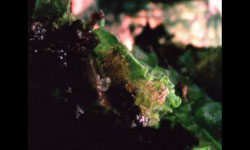
For most of Earth's history there was no life on land. But over 400 million years ago some tiny plants began an invasion from the water, closely followed by the first animals - the ancestors of millipedes and insects.
- TV-Recordings
- Natural World
- TV-Recordings
- No subtitles
- 55
For most of Earth's history there was no life on land. But over 400 million years ago some tiny plants began an invasion from the water, closely followed by the first animals - the ancestors of millipedes and insects.
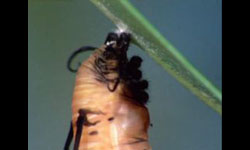
The number of insect species runs into millions; a single termite colony may consist of a million individuals; a locust swarm even a million million.
- TV-Recordings
- Natural World
- TV-Recordings
- No subtitles
- 55
The number of insect species runs into millions; a single termite colony may consist of a million individuals; a locust swarm even a million million.
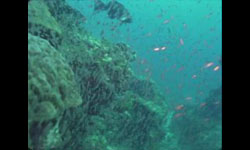
Fish occur in populations of billions and there are over 30,000 species, more than in any other group of backboned animals. The development of the backbone was a crucial advance in evolution -and it probably came from a most unlikely source, a little jelly-like creature called a sea squirt.
- TV-Recordings
- Natural World
- TV-Recordings
- No subtitles
- 55
Fish occur in populations of billions and there are over 30,000 species, more than in any other group of backboned animals. The development of the backbone was a crucial advance in evolution -and it probably came from a most unlikely source, a little jelly-like creature called a sea squirt.