
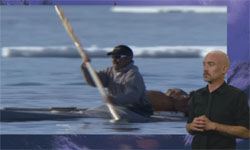
The Arctic is the harshest environment on Earth: little food grows, it's dark for months on end, and temperatures stay well below freezing for much of the year. Yet four million people manage to survive here.
- British-Sign-Language
- British-Sign-Language
- Natural World
- BSL subtitles
- 60
The Arctic is the harshest environment on Earth: little food grows, it's dark for months on end, and temperatures stay well below freezing for much of the year. Yet four million people manage to survive here.
Use GEO to practise reading authentic German and build vocabulary through news and current topics.
Use GEO to practise reading authentic German and build vocabulary through news and current topics.

Use Muy Interesante to practise reading authentic Spanish and build vocabulary through news and current topics.
Use Muy Interesante to practise reading authentic Spanish and build vocabulary through news and current topics.
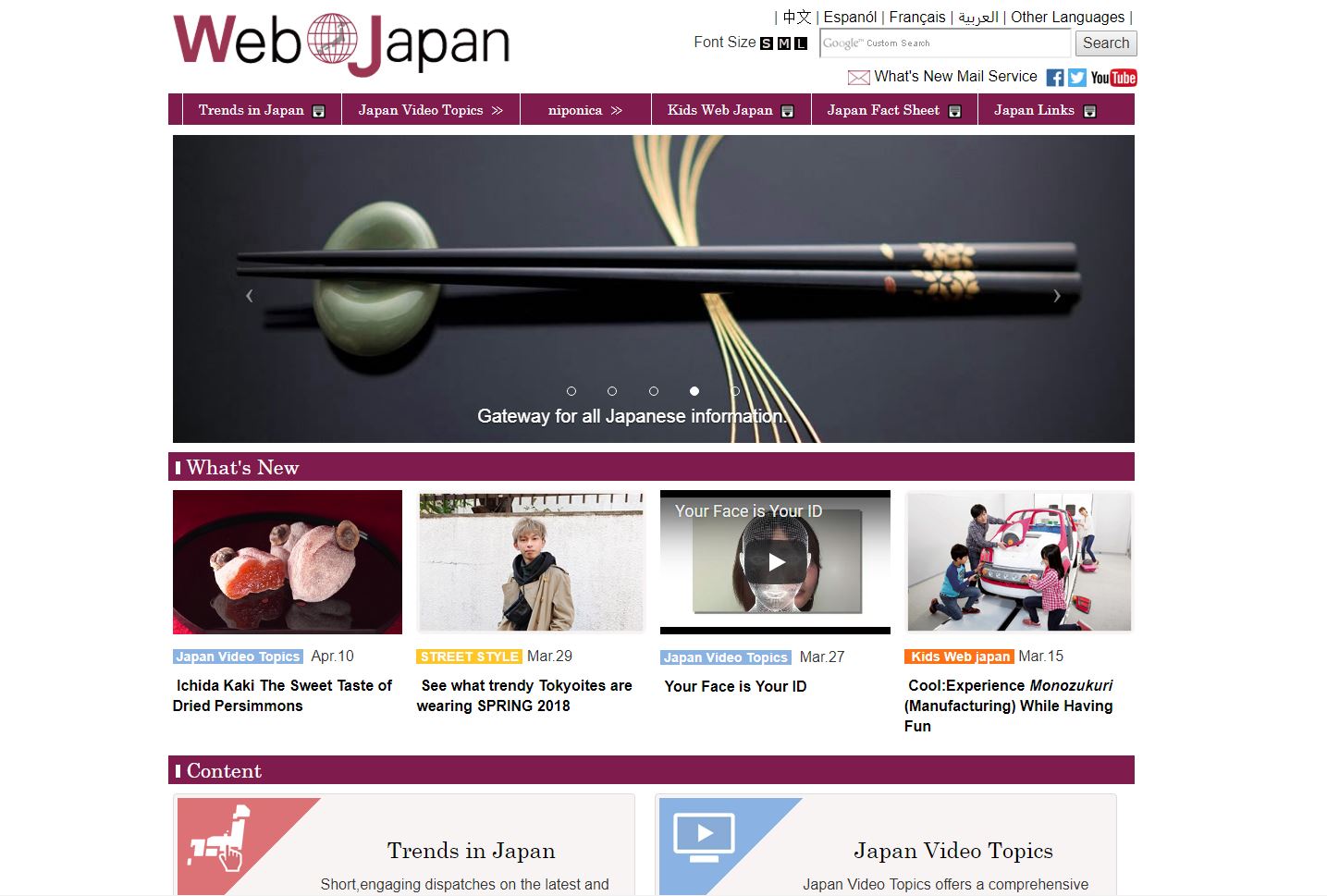
Use Web Japan to support your Japanese study: web Japan is sponsored by the Japanese Ministry of Foreign Affairs (MOFA) and operated by a Japanese non government organization. The site provides highly reliable information...
Use Web Japan to support your Japanese study: web Japan is sponsored by the Japanese Ministry of Foreign Affairs (MOFA) and operated by a Japanese non government organization. The site provides highly reliable information...
-
Climate Change
-
Vincent Gimbert , 2016
Science and Society Lecture 9th February 2016
- Lectures
- No subtitles
- 49
Science and Society Lecture 9th February 2016

In the second episode, Fortey travels to the rainforests of Madagascar - an ancient island that has spawned some of the most extraordinary groups of plants and animals anywhere in the world.
- TV-Recordings
- English subtitles
- 60
In the second episode, Fortey travels to the rainforests of Madagascar - an ancient island that has spawned some of the most extraordinary groups of plants and animals anywhere in the world.
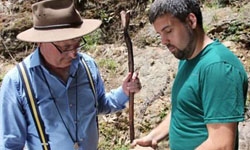
In the final episode, Richard travels to Madeira to examine what happens to a volcanic island as it nears the end of its life-cycle and starts sinking back into the sea.
- TV-Recordings
- English subtitles
- 60
In the final episode, Richard travels to Madeira to examine what happens to a volcanic island as it nears the end of its life-cycle and starts sinking back into the sea.
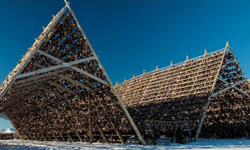
Documentary series about nature's resilience. How ecosystems devastated by human impact can be revived and become sustainable for future generations.
- TV-Recordings
- English subtitles
- 53
Documentary series about nature's resilience. How ecosystems devastated by human impact can be revived and become sustainable for future generations.
Even the smallest species can impact an ecosystem. And when a species finds itself in the wrong place, it can have a devastating effect.
- TV-Recordings
- English subtitles
- 51
Even the smallest species can impact an ecosystem. And when a species finds itself in the wrong place, it can have a devastating effect.
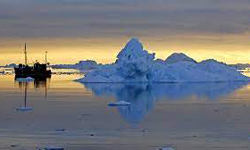
Absolute Zero is the ultimate limit of cold – a Holy Grail as exciting for scientists as the North and South Poles were to the great polar explorers. The Conquest of Cold is an epic journey from dark beginnings to an ultra-cool frontier.
- TV-Recordings
- Chemistry
- TV-Recordings
- No subtitles
- 60
Absolute Zero is the ultimate limit of cold – a Holy Grail as exciting for scientists as the North and South Poles were to the great polar explorers. The Conquest of Cold is an epic journey from dark beginnings to an ultra-cool frontier.
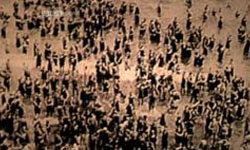
The Conquest of Cold charts the attempts of many great names in science such as Francis Bacon, Robert Boyle, Michael Faraday and Antoinne Lavoisier to grapple with the perplexing mystery of cold.
- TV-Recordings
- Chemistry
- TV-Recordings
- No subtitles
- 60
The Conquest of Cold charts the attempts of many great names in science such as Francis Bacon, Robert Boyle, Michael Faraday and Antoinne Lavoisier to grapple with the perplexing mystery of cold.
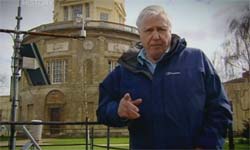
David Attenborough explores just how far climate change is altering our planet, from drought-stricken rainforest to declining polar bears, from flooded homes to bleached coral. He searches for the evidence that it is our daily activities which are radically changing the climate, leaving the future of Earth largely up to us.
- TV-Recordings
- Geography
- Natural World
- TV-Recordings
- No subtitles
- 59
David Attenborough explores just how far climate change is altering our planet, from drought-stricken rainforest to declining polar bears, from flooded homes to bleached coral. He searches for the evidence that it is our daily activities which are radically changing the climate, leaving the future of Earth largely up to us.
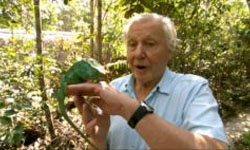
David Attenborough returns to the island of Madagascar on a very personal quest.
- TV-Recordings
- Geography
- TV-Recordings
- English subtitles
- 60
David Attenborough returns to the island of Madagascar on a very personal quest.
-
Attenborough: 60 Years in the Wild
-
BBC
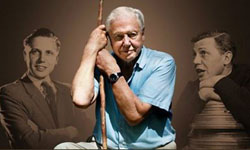
Over three very personal films, Sir David Attenborough looks back at the unparalleled changes in natural history that he has witnessed during his 60-year career
- TV-Recordings
- No subtitles
- 180
Over three very personal films, Sir David Attenborough looks back at the unparalleled changes in natural history that he has witnessed during his 60-year career
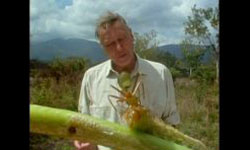
Sir David Attenborough gives his unique perspective on over half a century of innovation in wildlife filmmaking - developments that have brought ever more breathtaking and intimate images of wildlife to our television screens, changing our view of life on the planet forever.
- TV-Recordings
- Natural World
- TV-Recordings
- No subtitles
- 60
Sir David Attenborough gives his unique perspective on over half a century of innovation in wildlife filmmaking - developments that have brought ever more breathtaking and intimate images of wildlife to our television screens, changing our view of life on the planet forever.

David Attenborough reviews the most exciting scientific discoveries that have transformed our view of life on earth during his lifetime. How and where did life first begin? How do continents move? How do animals communicate? And why do they behave the way they do?
- TV-Recordings
- Natural World
- TV-Recordings
- No subtitles
- 60
David Attenborough reviews the most exciting scientific discoveries that have transformed our view of life on earth during his lifetime. How and where did life first begin? How do continents move? How do animals communicate? And why do they behave the way they do?
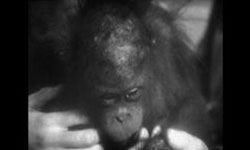
Sir David Attenborough reflects on the dramatic impact that humankind has had on the natural world within his own lifetime. He tells the surprising and deeply personal story of the changes he has seen, of the pioneering conservationists with who he has worked - and of the global revolution in attitudes towards nature that has taken place within the last six decades.
- TV-Recordings
- Natural World
- TV-Recordings
- No subtitles
- 60
Sir David Attenborough reflects on the dramatic impact that humankind has had on the natural world within his own lifetime. He tells the surprising and deeply personal story of the changes he has seen, of the pioneering conservationists with who he has worked - and of the global revolution in attitudes towards nature that has taken place within the last six decades.

-
Attenborough's Life in Colour - Episode 1 - Seeing in Colour
-
David Attenborough
Using the latest camera technology, David Attenborough reveals the extraordinary ways in which animals use colour: to win a mate, to fight off rivals and to warn enemies.
- TV-Recordings
- English subtitles
- 58
Using the latest camera technology, David Attenborough reveals the extraordinary ways in which animals use colour: to win a mate, to fight off rivals and to warn enemies.
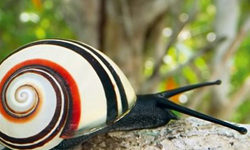
-
Attenborough's Life in Colour - Episode 2 - Hiding in Colour
-
David Attenborough
David Attenborough reveals the extraordinary ways that some animals use colour to hide and disappear into the background.
- TV-Recordings
- English subtitles
- 58
David Attenborough reveals the extraordinary ways that some animals use colour to hide and disappear into the background.
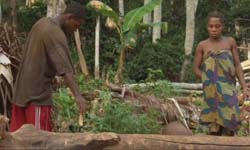
-
Baka: A Cry from the Rainforest
-
Phil Agland
Phil Agland revisits the Baka Pygmy family he filmed 25 years ago in his BAFTA award winning documentary 'Baka: People of the Rainforest'. An extraordinary journey into the heart of the rainforest in Cameroon.
- TV-Recordings
- Geography
- TV-Recordings
- No subtitles
- 90
Phil Agland revisits the Baka Pygmy family he filmed 25 years ago in his BAFTA award winning documentary 'Baka: People of the Rainforest'. An extraordinary journey into the heart of the rainforest in Cameroon.
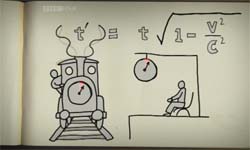
Artist and writer Matt Collings takes the plunge into an alien world of equations. He asks top scientists to help him understand five of the most famous equations in science, talks to Stephen Hawking about his equation for black holes and comes face to face with a particle of anti-matter.
- TV-Recordings
- Maths
- TV-Recordings
- No subtitles
- 60
Artist and writer Matt Collings takes the plunge into an alien world of equations. He asks top scientists to help him understand five of the most famous equations in science, talks to Stephen Hawking about his equation for black holes and comes face to face with a particle of anti-matter.
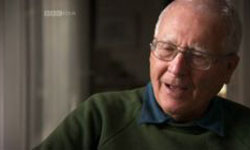
How scientist James Lovelock came to see the Earth as a holistic, self-regulating system.
- TV-Recordings
- Geography
- Physics
- TV-Recordings
- No subtitles
- 60
How scientist James Lovelock came to see the Earth as a holistic, self-regulating system.

The final part of this series looking at three brilliant contemporary scientists features Sir Tim Hunt, awarded the Nobel Prize for his discovery of the mechanism of how cells divide - a discovery fundamental to the life and growth of every single creature on the planet, as well as a vital clue into the mystery of cancer.
- TV-Recordings
- Chemistry
- TV-Recordings
- No subtitles
- 60
The final part of this series looking at three brilliant contemporary scientists features Sir Tim Hunt, awarded the Nobel Prize for his discovery of the mechanism of how cells divide - a discovery fundamental to the life and growth of every single creature on the planet, as well as a vital clue into the mystery of cancer.
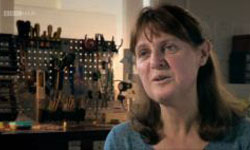
Physicist Professor Andre Geim\'s constant search for new ideas has led to some extraordinary discoveries, from levitating frogs to a tape that sticks to surfaces like a gecko\'s foot. He reveals how his playful approach to his research helped him uncover the properties of graphene, the world\'s thinnest material, and won him a Nobel Prize.
- TV-Recordings
- Physics
- TV-Recordings
- No subtitles
- 60
Physicist Professor Andre Geim\'s constant search for new ideas has led to some extraordinary discoveries, from levitating frogs to a tape that sticks to surfaces like a gecko\'s foot. He reveals how his playful approach to his research helped him uncover the properties of graphene, the world\'s thinnest material, and won him a Nobel Prize.
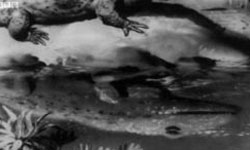
For paleontologist Professor Jenny Clack, who solved one of the greatest mysteries in the history of life on Earth, success was far from inevitable. She recounts how she had to overcome a series of setbacks before she found and described the fossil Acanthostega, a 365 million-year-old creature that offered dramatic new evidence of how fish made the transition onto land.
- TV-Recordings
- Biology
- TV-Recordings
- No subtitles
- 60
For paleontologist Professor Jenny Clack, who solved one of the greatest mysteries in the history of life on Earth, success was far from inevitable. She recounts how she had to overcome a series of setbacks before she found and described the fossil Acanthostega, a 365 million-year-old creature that offered dramatic new evidence of how fish made the transition onto land.
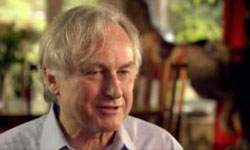
Professor Richard Dawkins reveals how he came to write his explosive first book The Selfish Gene, a work that was to divide the scientific community and make him the most influential evolutionary biologist of his generation. He also explores how this set him on the path to becoming an outspoken spokesman for atheism.
- TV-Recordings
- Biology
- TV-Recordings
- No subtitles
- 60
Professor Richard Dawkins reveals how he came to write his explosive first book The Selfish Gene, a work that was to divide the scientific community and make him the most influential evolutionary biologist of his generation. He also explores how this set him on the path to becoming an outspoken spokesman for atheism.
-
Botany: A Blooming History
-
BBC 4
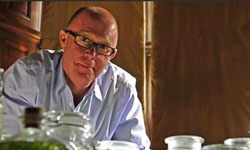
Series which tells the story of how people came to understand the natural order of the plant world, and how the quest to discover how plants grow uncovered the secret to life on the planet.
- TV-Recordings
- No subtitles
- 180
Series which tells the story of how people came to understand the natural order of the plant world, and how the quest to discover how plants grow uncovered the secret to life on the planet.
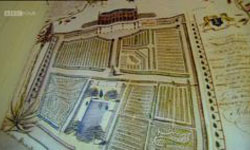
What makes plants grow is a simple enough question. The answer turns out to be one of the most complicated and fascinating stories in science and took over 300 years to unravel.
- TV-Recordings
- Biology
- TV-Recordings
- No subtitles
- 60
What makes plants grow is a simple enough question. The answer turns out to be one of the most complicated and fascinating stories in science and took over 300 years to unravel.
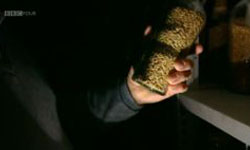
For 10,000 years or more, humans created new plant varieties for food by trial and error and a touch of serendipity. Then 150 years ago, a new era began. Pioneer botanists unlocked the patterns found in different types of plants and opened the door to a new branch of science - plant genetics. They discovered what controlled the random colours of snapdragon petals and the strange colours found in wild maize.
- TV-Recordings
- Biology
- TV-Recordings
- No subtitles
- 60
For 10,000 years or more, humans created new plant varieties for food by trial and error and a touch of serendipity. Then 150 years ago, a new era began. Pioneer botanists unlocked the patterns found in different types of plants and opened the door to a new branch of science - plant genetics. They discovered what controlled the random colours of snapdragon petals and the strange colours found in wild maize.
The air we breathe, and all the food we eat, is created from water, sunlight, carbon dioxide and a few minerals. That\'s it, nothing else. It sounds simple, but this process is one of the most fascinating and complicated in all of science. Without it there could be no life on earth. It\'s that important.
- TV-Recordings
- Biology
- TV-Recordings
- No subtitles
- 60
The air we breathe, and all the food we eat, is created from water, sunlight, carbon dioxide and a few minerals. That\'s it, nothing else. It sounds simple, but this process is one of the most fascinating and complicated in all of science. Without it there could be no life on earth. It\'s that important.