

-
Blue Planet 2
-
Wildlife documentary series, presented and narrated by David Attenborough, exploring the planet's oceans.
- TV-Recordings
- English subtitles
- 420
Wildlife documentary series, presented and narrated by David Attenborough, exploring the planet's oceans.
-
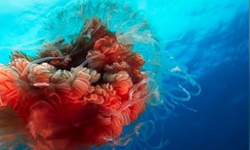
Blue Planet 2 - 04: Big Blue HD Version
-
David Attenborough
The big blue is the world's greatest wilderness, far from shore and many kilometres deep. It's a vast marine desert where there is little to eat and nowhere to hide.
- TV-Recordings
- English subtitles
- 60
The big blue is the world's greatest wilderness, far from shore and many kilometres deep. It's a vast marine desert where there is little to eat and nowhere to hide.

In the early 1950's, oil geologists discovered the signs of a giant tsunami, half a kilometer high, that hit a remote bay in Alaska. After research, scientists concluded that the tsunami was created by a landslide in the ocean off the coast. Since then, scientists who study tsunamis have discovered several sites around the world where major under water landslides could create giant or mega tsunami
- TV-Recordings
- Geography
- TV-Recordings
- No subtitles
- 10
In the early 1950's, oil geologists discovered the signs of a giant tsunami, half a kilometer high, that hit a remote bay in Alaska. After research, scientists concluded that the tsunami was created by a landslide in the ocean off the coast. Since then, scientists who study tsunamis have discovered several sites around the world where major under water landslides could create giant or mega tsunami

-
Ocean Giants
-
BBC
Documentary granting a unique and privileged access into the magical world of whales and dolphins, uncovering the secrets of their intimate lives as never before.
- TV-Recordings
- No subtitles
- 180
Documentary granting a unique and privileged access into the magical world of whales and dolphins, uncovering the secrets of their intimate lives as never before.
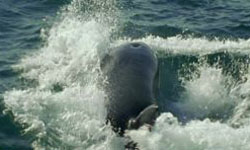
This episode explores the intimate details of the largest animals that have ever lived on our planet - the great whales. From the balmy waters of the Indian Ocean to the freezing seas of the Arctic, two daring underwater cameramen - Doug Allan, Planet Earth's polar specialist, and Didier Noirot, Cousteau's front-line cameraman - come face-to-face with fighting humpback whales and two-hundred-ton feeding blue whales.
- TV-Recordings
- Biology
- TV-Recordings
- English subtitles
- 60
This episode explores the intimate details of the largest animals that have ever lived on our planet - the great whales. From the balmy waters of the Indian Ocean to the freezing seas of the Arctic, two daring underwater cameramen - Doug Allan, Planet Earth's polar specialist, and Didier Noirot, Cousteau's front-line cameraman - come face-to-face with fighting humpback whales and two-hundred-ton feeding blue whales.
Humans have long wondered if the universe may harbour other intelligent life forms. But perhaps we need look no further than our oceans?
- TV-Recordings
- Biology
- TV-Recordings
- No subtitles
- 60
Humans have long wondered if the universe may harbour other intelligent life forms. But perhaps we need look no further than our oceans?
Whales and dolphins are nature's supreme vocalists, with a repertoire to put an opera singer to shame. The mighty sperm whale produces deafening clicks in its blowhole which it uses to locate giant squid two miles down in the ocean abyss, while migrating narwhals use similar sounds to pinpoint vital breathing holes in Arctic ice-floes.
- TV-Recordings
- Biology
- TV-Recordings
- No subtitles
- 60
Whales and dolphins are nature's supreme vocalists, with a repertoire to put an opera singer to shame. The mighty sperm whale produces deafening clicks in its blowhole which it uses to locate giant squid two miles down in the ocean abyss, while migrating narwhals use similar sounds to pinpoint vital breathing holes in Arctic ice-floes.
-
Oceans
-
Paul Rose
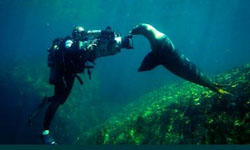
Four marine experts explore the planet's greatest wilderness - the oceans. They reveal the hidden stories of the deep through archaeology, geology, marine biology and anthropology.
- TV-Recordings
- No subtitles
- 420
Four marine experts explore the planet's greatest wilderness - the oceans. They reveal the hidden stories of the deep through archaeology, geology, marine biology and anthropology.
-
Oceans - Episode 02: Southern Ocean
-
Paul Rose
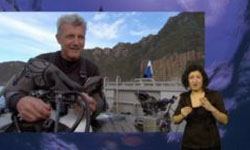
The team investigates why parts of the Southern Ocean are warming twice as fast as the rest of the world's oceans and looks at the impact of this phenomenon.
- TV-Recordings
- Biology
- Geography
- TV-Recordings
- No subtitles
- 57
The team investigates why parts of the Southern Ocean are warming twice as fast as the rest of the world's oceans and looks at the impact of this phenomenon.
-
Oceans - Episode 03: Red Sea
-
Paul Rose
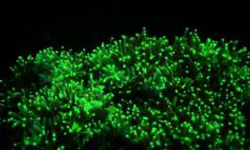
The team explores the remote and unexplored Southern Red Sea, teeming with marine life and home to some of the warmest waters on the planet.
- TV-Recordings
- Biology
- Geography
- TV-Recordings
- No subtitles
- 60
The team explores the remote and unexplored Southern Red Sea, teeming with marine life and home to some of the warmest waters on the planet.
-
Oceans - Episode 04: Atlantic Ocean
-
Paul Rose
The team explores a corner of the Atlantic Ocean. This ocean is the youngest of the great oceans and critical in influencing our climate.
- TV-Recordings
- Environmental Studies
- Geography
- TV-Recordings
- No subtitles
- 60
The team explores a corner of the Atlantic Ocean. This ocean is the youngest of the great oceans and critical in influencing our climate.

-
Oceans - Episode 05: Indian Ocean
-
Paul Rose
In the first of two episodes in the rich tropical waters of the Indian Ocean, the team explore its remote and pristine underwater worlds.
- TV-Recordings
- Biology
- Geography
- TV-Recordings
- No subtitles
- 57
In the first of two episodes in the rich tropical waters of the Indian Ocean, the team explore its remote and pristine underwater worlds.
The team explores the coastal waters of the Indian Ocean to discover what happens when the powerful Indian Ocean collides with the edge of a continent.
- TV-Recordings
- Geography
- TV-Recordings
- No subtitles
- 57
The team explores the coastal waters of the Indian Ocean to discover what happens when the powerful Indian Ocean collides with the edge of a continent.
-
Oceans - Episode 07: Mediterranean Ocean
-
Paul Rose
The team embarks on an expedition to explore the profound effect that man is having on the Mediterranean Sea. Western civilisation developed around its shores, but now human activity is threatening to destroy it.
- TV-Recordings
- Environmental Studies
- Geography
- TV-Recordings
- No subtitles
- 57
The team embarks on an expedition to explore the profound effect that man is having on the Mediterranean Sea. Western civilisation developed around its shores, but now human activity is threatening to destroy it.
-
Oceans - Episode 08: Arctic Ocean
-
Paul Rose
The team ventures into one of the world's most hostile environments, the Arctic Ocean, which plays a crucial role in controlling our climate.
- TV-Recordings
- Geography
- TV-Recordings
- No subtitles
- 60
The team ventures into one of the world's most hostile environments, the Arctic Ocean, which plays a crucial role in controlling our climate.
06-01-2007, Life goes to extraordinary lengths to survive this immense realm. A 30 tonne whale shark gorges on a school of fish and the unique overhead heli-gimbal camera reveals common dolphins rocketing at more than 30km an hour.
- TV-Recordings
- Biology
- TV-Recordings
- No subtitles
- 46
06-01-2007, Life goes to extraordinary lengths to survive this immense realm. A 30 tonne whale shark gorges on a school of fish and the unique overhead heli-gimbal camera reveals common dolphins rocketing at more than 30km an hour.

-
The Blue Planet
-
BBC
David Attenborough narrates a natural history of the oceans
- TV-Recordings
- No subtitles
- No
David Attenborough narrates a natural history of the oceans

Wildlife documentary looking in particular at the elusive Blue whale, and following a Grey Whale and her newborn calf as they are pursued by Killer whales
- TV-Recordings
- Biology
- Environmental Studies
- TV-Recordings
- No subtitles
- 46
Wildlife documentary looking in particular at the elusive Blue whale, and following a Grey Whale and her newborn calf as they are pursued by Killer whales
2007. A thousand metres down, in the twilight zone, animals play a constant game of hide and seek.
- TV-Recordings
- Biology
- Environmental Studies
- TV-Recordings
- No subtitles
- 46
2007. A thousand metres down, in the twilight zone, animals play a constant game of hide and seek.

2007. An unfortunate shoal of sardines is first attacked by three-metre-long striped marlin with metre-long, needle-sharp javelins on their heads. The commotion attracts juvenile yellowfin tuna and then a 14-metre Sei whale scoops up the remains.
- TV-Recordings
- Biology
- Environmental Studies
- TV-Recordings
- No subtitles
- 46
2007. An unfortunate shoal of sardines is first attacked by three-metre-long striped marlin with metre-long, needle-sharp javelins on their heads. The commotion attracts juvenile yellowfin tuna and then a 14-metre Sei whale scoops up the remains.
2007. In winter the temperature drops to below -50 degrees centigrade and in Antarctica most animals escape the weather. But emperor penguins stay put and huddle together, incubating their eggs and rearing their chicks in the worst weather on the planet. Weddell seals also remain, keeping their breathing holes open by scraping away the ice with their teeth.
- TV-Recordings
- Biology
- Environmental Studies
- TV-Recordings
- No subtitles
- 46
2007. In winter the temperature drops to below -50 degrees centigrade and in Antarctica most animals escape the weather. But emperor penguins stay put and huddle together, incubating their eggs and rearing their chicks in the worst weather on the planet. Weddell seals also remain, keeping their breathing holes open by scraping away the ice with their teeth.
This next instalment is about coral reefs, which are so crowded that they play host to a perpetual battle for space, even among the coral itself. It starts life as a larva that becomes a polyp. Having multiplied, it hardens into a limestone skeleton and grows to form a reef. As the community flourishes, animals develop relationships with one another and such a place can feature a huge variety of ocean life.
- TV-Recordings
- Biology
- Environmental Studies
- TV-Recordings
- No subtitles
- 11
This next instalment is about coral reefs, which are so crowded that they play host to a perpetual battle for space, even among the coral itself. It starts life as a larva that becomes a polyp. Having multiplied, it hardens into a limestone skeleton and grows to form a reef. As the community flourishes, animals develop relationships with one another and such a place can feature a huge variety of ocean life.
This programme surveys the effects of the seasons on the world's temperate seas — the most productive on Earth.
- TV-Recordings
- Biology
- Environmental Studies
- TV-Recordings
- No subtitles
- 11
This programme surveys the effects of the seasons on the world's temperate seas — the most productive on Earth.
2007. A huge tidal wave, sweeps 200 miles inland up the River Amazon. It's an event that only happens on key days each month, when the moon and sun combine their gravitational pull to maximum effect. The force of the wave shatters immense rainforest trees.
- TV-Recordings
- Biology
- Environmental Studies
- TV-Recordings
- No subtitles
- 46
2007. A huge tidal wave, sweeps 200 miles inland up the River Amazon. It's an event that only happens on key days each month, when the moon and sun combine their gravitational pull to maximum effect. The force of the wave shatters immense rainforest trees.
2007. Each year the entire population of green turtles that live off the coast of Brazil undertakes a massive 5,000-mile migration to the tiny seven-mile-wide island of Ascension, lost in the middle of the Atlantic.
- TV-Recordings
- Biology
- Environmental Studies
- TV-Recordings
- No subtitles
- 46
2007. Each year the entire population of green turtles that live off the coast of Brazil undertakes a massive 5,000-mile migration to the tiny seven-mile-wide island of Ascension, lost in the middle of the Atlantic.