
-
Climate Change
-
Vincent Gimbert , 2016
Science and Society Lecture 9th February 2016
- Lectures
- No subtitles
- 49
Science and Society Lecture 9th February 2016
-
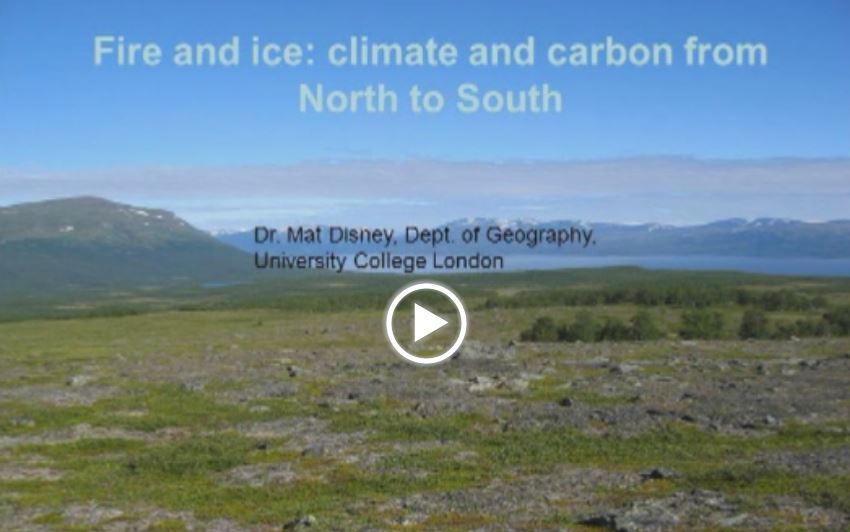
Fire and Ice: Climate and Carbon from North to South
-
Dr Mat Disney , 2012
Diploma Lecture 2012
- Lectures
- General Science
- Lectures
- No subtitles
- 44
Diploma Lecture 2012
-
Introduction to Remote Sensing of Environmental Change (with transcript)
-
Dr Mathias Disney , 2007
Diploma November 2007
- Lectures
- General Science
- Geography
- Lectures
- No subtitles
- 60
Diploma November 2007
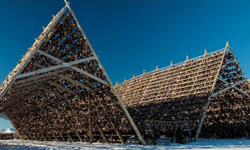
Documentary series about nature's resilience. How ecosystems devastated by human impact can be revived and become sustainable for future generations.
- TV-Recordings
- English subtitles
- 53
Documentary series about nature's resilience. How ecosystems devastated by human impact can be revived and become sustainable for future generations.
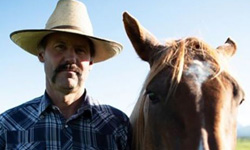
Even the smallest species can impact an ecosystem. And when a species finds itself in the wrong place, it can have a devastating effect.
- TV-Recordings
- English subtitles
- 51
Even the smallest species can impact an ecosystem. And when a species finds itself in the wrong place, it can have a devastating effect.
-
Climat, pour quelques degrés de moins et aussi Climat - Entretien avec Jean francois julliard
-
Arte , 2015
For over 20 years, the UN conference on climate change chained themselves, without success. What will happen to the COP21 in Paris in late 2015? In view of this major peak, leading scientists are working for months on a number of scenarios to halve our current CO2 emissions. Ideas, solutions, they have! Will they be listened to?
- TV-Recordings
- No subtitles
- 136
For over 20 years, the UN conference on climate change chained themselves, without success. What will happen to the COP21 in Paris in late 2015? In view of this major peak, leading scientists are working for months on a number of scenarios to halve our current CO2 emissions. Ideas, solutions, they have! Will they be listened to?

-
Climate Change - The Facts
-
Serena Davies
After one of the hottest years on record, Sir David Attenborough looks at the science of climate change and potential solutions to this global threat.
- TV-Recordings
- English subtitles
- 60
After one of the hottest years on record, Sir David Attenborough looks at the science of climate change and potential solutions to this global threat.
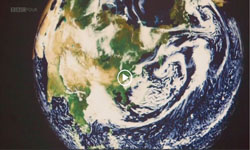
At the heart of the climate change debate is a paradox - we've never had more information about our changing climate, yet surveys show that the public are, if anything, getting less sure they understand what's going on.
- TV-Recordings
- Policy Challenges
- English subtitles
- 75
At the heart of the climate change debate is a paradox - we've never had more information about our changing climate, yet surveys show that the public are, if anything, getting less sure they understand what's going on.
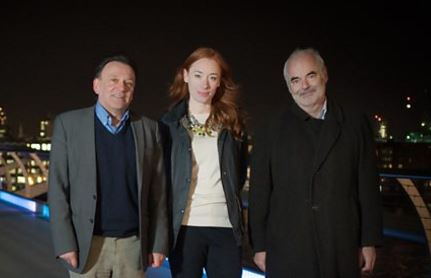
At the heart of the climate change debate is a paradox - we've never had more information about our changing climate, yet surveys show that the public are, if anything, getting less sure they understand what's going on.
- TV-Recordings
- English subtitles
- 75
At the heart of the climate change debate is a paradox - we've never had more information about our changing climate, yet surveys show that the public are, if anything, getting less sure they understand what's going on.

Today, the topic of climate change is a major part of daily life, yet 40 years ago it was virtually unheard of. Since then, Horizon and the BBC have followed scientists as they have tried to unpick how the climate works and whether it is changing.
- TV-Recordings
- Policy Challenges
- English subtitles
- 60
Today, the topic of climate change is a major part of daily life, yet 40 years ago it was virtually unheard of. Since then, Horizon and the BBC have followed scientists as they have tried to unpick how the climate works and whether it is changing.

-
Five Ways to Save the World
-
Jonathan Barker
Five of the world's top scientists present the revolutionary scientific inventions they believe could stop global warming and prevent worldwide disaster. Ideas include putting a giant glass sunshade in space to deflect a small portion of the sun's rays back into space and the firing ofrockets loaded with tons of sulphur into the stratosphere creating a vast, but very thin sunscreen of sulphur around the earth
- TV-Recordings
- Physics
- Politics & Public Policy
- TV-Recordings
- No subtitles
- 60
Five of the world's top scientists present the revolutionary scientific inventions they believe could stop global warming and prevent worldwide disaster. Ideas include putting a giant glass sunshade in space to deflect a small portion of the sun's rays back into space and the firing ofrockets loaded with tons of sulphur into the stratosphere creating a vast, but very thin sunscreen of sulphur around the earth

-
Into the Ice
-
Lars Henrik Ostenfeld
Three scientists go onto and into the Greenland ice sheet – further than anyone has travelled before – to find out how fast the ice is melting and gather the data that will help predict our future.
- TV-Recordings
- English subtitles
- 82
Three scientists go onto and into the Greenland ice sheet – further than anyone has travelled before – to find out how fast the ice is melting and gather the data that will help predict our future.
-
Klima, für einige Grad weniger
-
Arte , 2015
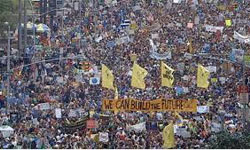
For over 20 years, the UN conference on climate change chained themselves, without success. What will happen to the COP21 in Paris in late 2015? In view of this major peak, leading scientists are working for months on a number of scenarios to halve our current CO2 emissions. Ideas, solutions, they have! Will they be listened to?
- TV-Recordings
- No subtitles
- 136
For over 20 years, the UN conference on climate change chained themselves, without success. What will happen to the COP21 in Paris in late 2015? In view of this major peak, leading scientists are working for months on a number of scenarios to halve our current CO2 emissions. Ideas, solutions, they have! Will they be listened to?
-
Planet Oil : The Treasure That Conquered the World
-
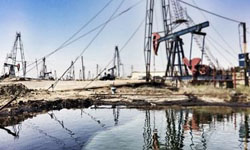
Documentary series exploring how we've become so reliant on oil in little longer than a human lifetime.
- TV-Recordings
- English subtitles
- 180
Documentary series exploring how we've become so reliant on oil in little longer than a human lifetime.
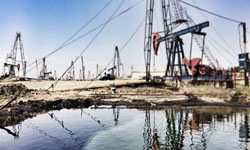
Documentary series exploring how we've become so reliant on oil in little longer than a human lifetime. In this series, Professor Iain Stewart visits the places that gave birth to the earth's oil riches, discovers the people who fought over its control and supply, and explores how our insatiable thirst for oil is changing the very planet on which we depend.
- TV-Recordings
- English subtitles
- 60
Documentary series exploring how we've become so reliant on oil in little longer than a human lifetime. In this series, Professor Iain Stewart visits the places that gave birth to the earth's oil riches, discovers the people who fought over its control and supply, and explores how our insatiable thirst for oil is changing the very planet on which we depend.
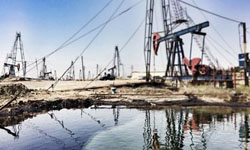
By the early 1950s, a holy trinity of oil, plastics and fertilisers had transformed the planet. But as Professor Iain Stewart reveals, when the oil producing countries demanded a greater share in profits from the Western energy companies, the oil and gas fields of the Middle East became a focus for coup d'états and military conflict.
- TV-Recordings
- English subtitles
- 60
By the early 1950s, a holy trinity of oil, plastics and fertilisers had transformed the planet. But as Professor Iain Stewart reveals, when the oil producing countries demanded a greater share in profits from the Western energy companies, the oil and gas fields of the Middle East became a focus for coup d'états and military conflict.

As we entered the 21st century, the world was guzzling oil, coal and gas like never before. Despite fears of 'peak oil', Professor Iain Stewart discovers that while huge technological advances are helping extend the life of existing oilfields, new unconventional oil and gas supplies like shale gas and tar sands are extending the hydrocarbon age well into the 21st century.
- TV-Recordings
- English subtitles
- 60
As we entered the 21st century, the world was guzzling oil, coal and gas like never before. Despite fears of 'peak oil', Professor Iain Stewart discovers that while huge technological advances are helping extend the life of existing oilfields, new unconventional oil and gas supplies like shale gas and tar sands are extending the hydrocarbon age well into the 21st century.
-
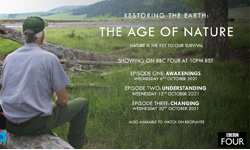
Restoring the Earth: The Age of Nature - Series 1
-
Peter Lown
Documentary series that explores humanity’s relationship with the natural world and our growing understanding of how nature works.
- TV-Recordings
- English subtitles
- 154
Documentary series that explores humanity’s relationship with the natural world and our growing understanding of how nature works.
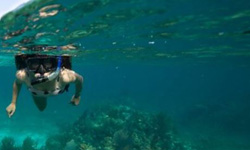
Global warming is changing our planet faster than ever before, but we’re also increasing our understanding of nature to help us manage it.
- TV-Recordings
- English subtitles
- 52
Global warming is changing our planet faster than ever before, but we’re also increasing our understanding of nature to help us manage it.
-
The Year the Earth Went Wild
-
Channel 4
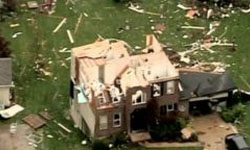
2011 has been a year of epic-scale climate and geological events across the world. This film looks back on a year of natural disasters, all caught on camera in spectacular fashion.
- TV-Recordings
- Environmental Studies
- Other
- TV-Recordings
- No subtitles
- 47
2011 has been a year of epic-scale climate and geological events across the world. This film looks back on a year of natural disasters, all caught on camera in spectacular fashion.