
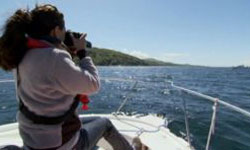
In the first programme of the series, the team uncovers the world of the giants that reside in and on our western seas.
- TV-Recordings
- Biology
- Natural World
- TV-Recordings
- No subtitles
- 60
In the first programme of the series, the team uncovers the world of the giants that reside in and on our western seas.

In the final programme of the series, explorer Paul Rose, marine biologist Tooni Mahto and underwater archaeologist Frank Pope explore our busy southern shores.
- TV-Recordings
- Biology
- TV-Recordings
- No subtitles
- 60
In the final programme of the series, explorer Paul Rose, marine biologist Tooni Mahto and underwater archaeologist Frank Pope explore our busy southern shores.

A look at the rapidly changing environment of the waters of the UK\'s eastern coastline.
- TV-Recordings
- Biology
- TV-Recordings
- No subtitles
- 60
A look at the rapidly changing environment of the waters of the UK\'s eastern coastline.
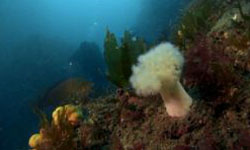
In the second programme in the series, explorer Paul Rose, marine biologist Tooni Mahto and maritime journalist Frank Pope explore the wild seas around Scotland.
- TV-Recordings
- Biology
- TV-Recordings
- No subtitles
- 60
In the second programme in the series, explorer Paul Rose, marine biologist Tooni Mahto and maritime journalist Frank Pope explore the wild seas around Scotland.

Beginning in a familiar garden setting, Alan peels back the layers of Britain's varied past. He travels to his native Yorkshire to reveal how innocent sounding place names provide evidence of a wild legacy. On Scotland's Isle of May, he discovers how white seal pups hold a clue to Britain's snowy heritage. Finally, Alan explores how diverse rock formations are a testament to Britain's turbulent past.
- TV-Recordings
- Geography
- TV-Recordings
- No subtitles
- 46
Beginning in a familiar garden setting, Alan peels back the layers of Britain's varied past. He travels to his native Yorkshire to reveal how innocent sounding place names provide evidence of a wild legacy. On Scotland's Isle of May, he discovers how white seal pups hold a clue to Britain's snowy heritage. Finally, Alan explores how diverse rock formations are a testament to Britain's turbulent past.
In the second of a two-part documentary, David Attenborough explores how much climate change is altering our planet, suggesting ways we can help.
- TV-Recordings
- Geography
- TV-Recordings
- No subtitles
- 59
In the second of a two-part documentary, David Attenborough explores how much climate change is altering our planet, suggesting ways we can help.

-
Chris Packham: 7.7 Billion People and Counting
-
Charlie Russell
Naturalist Chris Packham investigates the impact a growing human population is having on the planet, asking whether the earth can sustain predictions of ten billion people by 2050.
- TV-Recordings
- English subtitles
- 59
Naturalist Chris Packham investigates the impact a growing human population is having on the planet, asking whether the earth can sustain predictions of ten billion people by 2050.
-
Dispatches - Britain's Rubbish
-
Channel 4
Dispatches lifts the lid on Britain's bins and asks what the plan is to tackle the country's growing rubbish problem.
- TV-Recordings
- Politics & Public Policy
- TV-Recordings
- No subtitles
- 30
Dispatches lifts the lid on Britain's bins and asks what the plan is to tackle the country's growing rubbish problem.
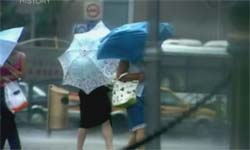
As the world swaps theories on global warming, Five Disasters Waiting To Happen looks at how some of the world's leading cities are dealing with the practical reality of climate change.
- TV-Recordings
- Physics
- TV-Recordings
- No subtitles
- 45
As the world swaps theories on global warming, Five Disasters Waiting To Happen looks at how some of the world's leading cities are dealing with the practical reality of climate change.

-
Five Ways to Save the World
-
Jonathan Barker
Five of the world's top scientists present the revolutionary scientific inventions they believe could stop global warming and prevent worldwide disaster. Ideas include putting a giant glass sunshade in space to deflect a small portion of the sun's rays back into space and the firing ofrockets loaded with tons of sulphur into the stratosphere creating a vast, but very thin sunscreen of sulphur around the earth
- TV-Recordings
- Physics
- Politics & Public Policy
- TV-Recordings
- No subtitles
- 60
Five of the world's top scientists present the revolutionary scientific inventions they believe could stop global warming and prevent worldwide disaster. Ideas include putting a giant glass sunshade in space to deflect a small portion of the sun's rays back into space and the firing ofrockets loaded with tons of sulphur into the stratosphere creating a vast, but very thin sunscreen of sulphur around the earth

-
Frozen Planet
-
BBC
David Attenborough travels to the end of the earth, taking viewers on an extraordinary journey across the polar regions of our planet.
- TV-Recordings
- English subtitles
- 660
David Attenborough travels to the end of the earth, taking viewers on an extraordinary journey across the polar regions of our planet.

David Attenborough travels to the end of the earth, taking viewers on an extraordinary journey across the polar regions of our planet, North and South.
- TV-Recordings
- Biology
- Environmental Studies
- TV-Recordings
- English subtitles
- 60
David Attenborough travels to the end of the earth, taking viewers on an extraordinary journey across the polar regions of our planet, North and South.

Spring arrives in the polar regions, and the sun appears after an absence of five months; warmth and life return to these magical ice worlds - the greatest seasonal transformation on our planet is underway.
- TV-Recordings
- Biology
- Environmental Studies
- TV-Recordings
- English subtitles
- 60
Spring arrives in the polar regions, and the sun appears after an absence of five months; warmth and life return to these magical ice worlds - the greatest seasonal transformation on our planet is underway.

It is high summer in the polar regions, and the sun never sets. Vast hordes of summer visitors cram a lifetime of drama into one long, magical day; they must feed, fight and rear their young in this brief window of plenty.
- TV-Recordings
- Biology
- Environmental Studies
- TV-Recordings
- English subtitles
- 60
It is high summer in the polar regions, and the sun never sets. Vast hordes of summer visitors cram a lifetime of drama into one long, magical day; they must feed, fight and rear their young in this brief window of plenty.
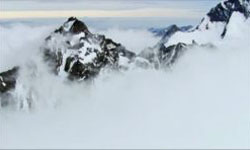
For the animals in the polar regions, autumn means dramatic battles and epic journeys. Time is running out - the Arctic Ocean is freezing over and the sea ice is advancing at 2.5 miles per day around Antarctica.
- TV-Recordings
- Biology
- Environmental Studies
- TV-Recordings
- English subtitles
- 60
For the animals in the polar regions, autumn means dramatic battles and epic journeys. Time is running out - the Arctic Ocean is freezing over and the sea ice is advancing at 2.5 miles per day around Antarctica.
There is no greater test for life than winter, as temperatures plummet to 70 below and winds reach 200kph. Darkness and ice extend across the polar regions and only a few remarkable survivors gamble on remaining.
- TV-Recordings
- Biology
- Environmental Studies
- TV-Recordings
- English subtitles
- 60
There is no greater test for life than winter, as temperatures plummet to 70 below and winds reach 200kph. Darkness and ice extend across the polar regions and only a few remarkable survivors gamble on remaining.

David Attenborough reveals the vast wildnerness of the polar regions and their inhabitants. At the North Pole, the sun returns after six months of darkness.
- TV-Recordings
- Biology
- Environmental Studies
- TV-Recordings
- English subtitles
- 60
David Attenborough reveals the vast wildnerness of the polar regions and their inhabitants. At the North Pole, the sun returns after six months of darkness.
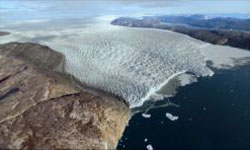
David Attenborough journeys to both polar regions to investigate what rising temperatures will mean for the people and wildlife that live there and for the rest of the planet.
- TV-Recordings
- Biology
- Environmental Studies
- TV-Recordings
- English subtitles
- 60
David Attenborough journeys to both polar regions to investigate what rising temperatures will mean for the people and wildlife that live there and for the rest of the planet.

This Frozen Planet special brings together the very best highlights of the series, taking viewers on a spectacular journey through the entire polar year - from the depths of winter to the melting world of the polar summer.
- TV-Recordings
- Biology
- Environmental Studies
- TV-Recordings
- English subtitles
- 60
This Frozen Planet special brings together the very best highlights of the series, taking viewers on a spectacular journey through the entire polar year - from the depths of winter to the melting world of the polar summer.
This Frozen Planet special brings together the very best highlights of the series, taking viewers on a spectacular journey through the entire polar year - from the depths of winter to the melting world of the polar summer.
- TV-Recordings
- Natural World
- TV-Recordings
- English subtitles
- 60
This Frozen Planet special brings together the very best highlights of the series, taking viewers on a spectacular journey through the entire polar year - from the depths of winter to the melting world of the polar summer.
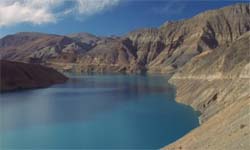
Michael Palin visits the Potala Palace and the great monasteries of Tashilunpo and Sera, where the traditional Tibetan towns are being replaced by modern Chinese cities, he then accompanies some pilgrims to the holy Namtso Lake.
- TV-Recordings
- Built Environment & Architecture
- Geography
- TV-Recordings
- No subtitles
- 47
Michael Palin visits the Potala Palace and the great monasteries of Tashilunpo and Sera, where the traditional Tibetan towns are being replaced by modern Chinese cities, he then accompanies some pilgrims to the holy Namtso Lake.
Horizon reveals the untold story of the 87-day battle to kill the Deepwater Horizon oil blowout a mile beneath the waves - a crisis that became America\'s worst environmental disaster.
- TV-Recordings
- Engineering
- TV-Recordings
- No subtitles
- 60
Horizon reveals the untold story of the 87-day battle to kill the Deepwater Horizon oil blowout a mile beneath the waves - a crisis that became America\'s worst environmental disaster.

Iain Stewart investigates a new and controversial energy rush for the natural gas found deep underground. Sometimes, this is right under the places people live in. Getting it out of the ground involves hydraulic fracturing - or fracking.
- TV-Recordings
- Engineering
- TV-Recordings
- English subtitles
- 60
Iain Stewart investigates a new and controversial energy rush for the natural gas found deep underground. Sometimes, this is right under the places people live in. Getting it out of the ground involves hydraulic fracturing - or fracking.

In the past few years we have shivered through two record-breaking cold winters and parts of the country have experienced intense droughts and torrential floods. It is a pattern that appears to be playing out across the globe.
- TV-Recordings
- Environmental Studies
- Other
- TV-Recordings
- No subtitles
- 60
In the past few years we have shivered through two record-breaking cold winters and parts of the country have experienced intense droughts and torrential floods. It is a pattern that appears to be playing out across the globe.
-
How Earth Made Us
-
BBC
Professor Iain Stewart uses spectacular images to tells the epic story of how geology, geography and climate have influenced mankind.
- TV-Recordings
- English subtitles
- 300
Professor Iain Stewart uses spectacular images to tells the epic story of how geology, geography and climate have influenced mankind.
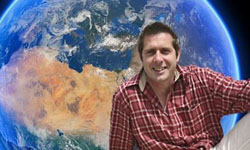
Professor Iain Stewart tells the epic story of how geology, geography and climate have influenced mankind.In this first episode, Iain explores the relationship between the deep Earth and the development of human civilisation. He visits an extraordinary crystal cave in Mexico, drops down a hole in the Iranian desert and crawls through seven-thousand-year-old tunnels in Israel.
- TV-Recordings
- Environmental Studies
- Geography
- Geology
- TV-Recordings
- English subtitles
- 60
Professor Iain Stewart tells the epic story of how geology, geography and climate have influenced mankind.In this first episode, Iain explores the relationship between the deep Earth and the development of human civilisation. He visits an extraordinary crystal cave in Mexico, drops down a hole in the Iranian desert and crawls through seven-thousand-year-old tunnels in Israel.
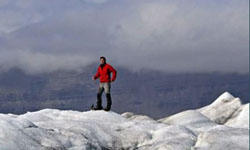
Professor Iain Stewart continues his epic exploration of how the planet has shaped human history.This time he explores our complex relationship with water. Visiting spectacular locations in Iceland, the Middle East and India, Iain shows how control over water has been central to human existence.
- TV-Recordings
- Environmental Studies
- Geography
- TV-Recordings
- English subtitles
- 60
Professor Iain Stewart continues his epic exploration of how the planet has shaped human history.This time he explores our complex relationship with water. Visiting spectacular locations in Iceland, the Middle East and India, Iain shows how control over water has been central to human existence.
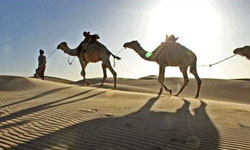
Professor Iain Stewart explores the story of our turbulent relationship with the wind.
- TV-Recordings
- Environmental Studies
- Physics
- TV-Recordings
- English subtitles
- 60
Professor Iain Stewart explores the story of our turbulent relationship with the wind.
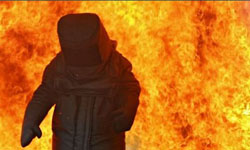
Iain explores man\'s relationship with fire. He begins by embarking on an extraordinary encounter with this terrifying force of nature - a walk right through the heart of a raging fire.
- TV-Recordings
- Environmental Studies
- Physics
- TV-Recordings
- English subtitles
- 60
Iain explores man\'s relationship with fire. He begins by embarking on an extraordinary encounter with this terrifying force of nature - a walk right through the heart of a raging fire.
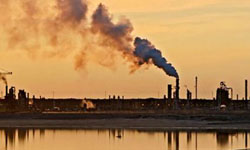
It\'s easy to think of the human impact on the planet as a negative one, but as this programme discovers, this isn\'t always the case.It is clear that humans have unprecedented control over many of the planet\'s geological cycles; the question is, how will the human race use this power?
- TV-Recordings
- Environmental Studies
- Geography
- Geology
- TV-Recordings
- English subtitles
- 60
It\'s easy to think of the human impact on the planet as a negative one, but as this programme discovers, this isn\'t always the case.It is clear that humans have unprecedented control over many of the planet\'s geological cycles; the question is, how will the human race use this power?