
 Ministry of Ecological and Solidarity Transition information (opens website preview)
Use Ministry of Ecological and Solidarity Transition to practise reading authentic French and build vocabulary through news and current topics.
Use Ministry of Ecological and Solidarity Transition to practise reading authentic French and build vocabulary through news and current topics.
-
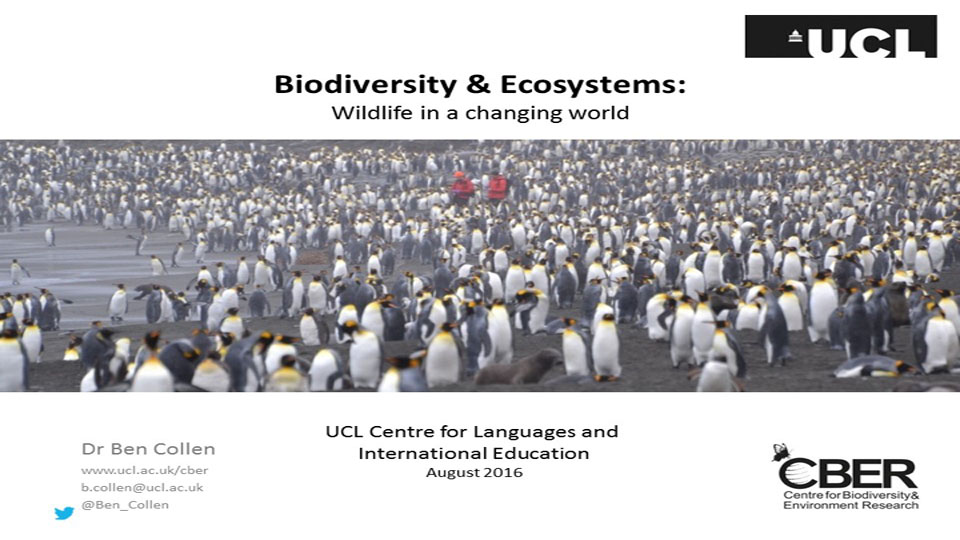
Biodiversity and Ecosystems: Wildlife in a Changing World
-
Dr Ben Collen , 2016
Pre-sessional lecture August 2016
- Lectures
- No subtitles
- 43
Pre-sessional lecture August 2016

-
Cities and Eco-cities in China
-
Austin Williams , 2018
Pre-sessional Lecture 21.08.2018
- Lectures
- No subtitles
- 59
Pre-sessional Lecture 21.08.2018
-
Climate Change
-
Vincent Gimbert , 2016
Science and Society Lecture 9th February 2016
- Lectures
- No subtitles
- 49
Science and Society Lecture 9th February 2016
-
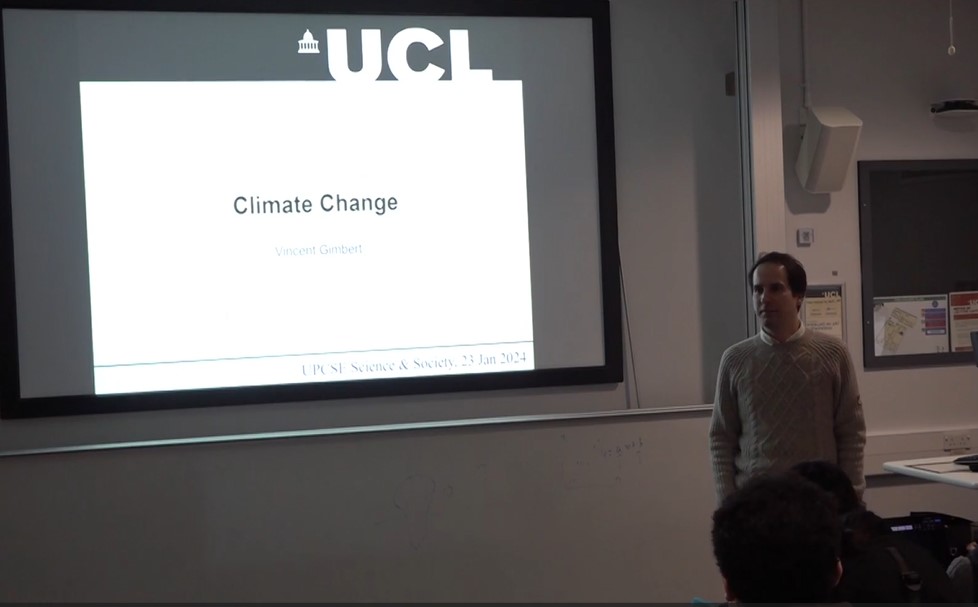
Climate Change
-
Vincent Gimbert , 2024
Sience and Society Lecture 2024
- Lectures
- No subtitles
- 46
Sience and Society Lecture 2024

-
Climate Change
-
Vincent Gimbert , 2026
Science & Society Term2 Week3 Lecture
- Lectures
- English subtitles
- 45
Science & Society Term2 Week3 Lecture
-
Fire and Ice: Climate and Carbon from North to South
-
Dr Mat Disney , 2012
Diploma Lecture 2012
- Lectures
- General Science
- Lectures
- No subtitles
- 44
Diploma Lecture 2012

-
Good Architecture and Urban Design in London
-
Tanya Szendeffy , 2016
Pre-sessional Lecture 26th July 2016
- Lectures
- No subtitles
- 43
Pre-sessional Lecture 26th July 2016

-
Introduction to Remote Sensing
-
Prof. Mathias Disney , 2018
Pre-sessional Lecture 17.07.2018
- Lectures
- No subtitles
- 46
Pre-sessional Lecture 17.07.2018
-
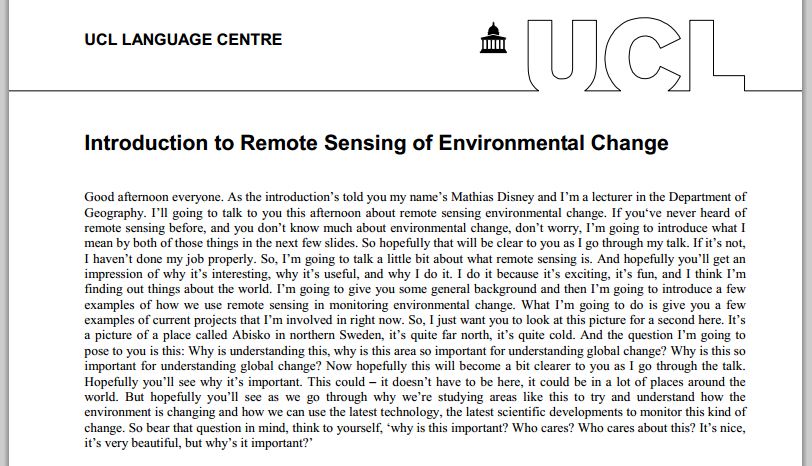
Introduction to Remote Sensing of Environmental Change (with transcript)
-
Dr Mathias Disney , 2007
Diploma November 2007
- Lectures
- General Science
- Geography
- Lectures
- No subtitles
- 60
Diploma November 2007
-
Natural Disasters - Acts of God? (with Worksheet)
-
Dr Anne Varley
TO BE REMOVED ?
- Lectures
- Geography
- Lectures
- Natural World
- No subtitles
- 50
TO BE REMOVED ?
-
The Benefits of the Integration of Green Space in the Urban Environment
-
Professor Aeli Roberts , 2020
Pre-sessional Lecture 2020
- Lectures
- No subtitles
- 49
Pre-sessional Lecture 2020
-
US Shale Gas Revolution and Potential Impact on World Energy Markets
-
Dr Slava Mikhaylov , 2012
Pre-sessional Lecture 2012 with additional questions from Diploma 21/01/2013
Pre-sessional Lecture 2012 with additional questions from Diploma 21/01/2013
Neil Oliver travels back to ice age Britain as he begins the epic story of how our land and its people came to be over thousands of years of ancient history. This week sees a struggle for survival in a brutal world of climate change and environmental catastrope.
- TV-Recordings
- History
- TV-Recordings
- No subtitles
- 60
Neil Oliver travels back to ice age Britain as he begins the epic story of how our land and its people came to be over thousands of years of ancient history. This week sees a struggle for survival in a brutal world of climate change and environmental catastrope.

-
A World Without Water
-
Brian Woods
As the highest water bills ever land on doormats across the UK this April, this film investigates the future of the world's water, and paints a disturbing picture of a world running out of the most basic of life's essentials.
- TV-Recordings
- General Science
- Geography
- TV-Recordings
- No subtitles
- 75
As the highest water bills ever land on doormats across the UK this April, this film investigates the future of the world's water, and paints a disturbing picture of a world running out of the most basic of life's essentials.

-
Apocalypse Cow: How Meat Killed the Planet
-
George Monbiot
In a provocative documentary, environmental campaigner George Monbiot argues that the biggest problem driving us towards global disaster is how we feed ourselves, particularly on meat
- TV-Recordings
- English subtitles
- 47
In a provocative documentary, environmental campaigner George Monbiot argues that the biggest problem driving us towards global disaster is how we feed ourselves, particularly on meat
David Attenborough explores just how far climate change is altering our planet, from drought-stricken rainforest to declining polar bears, from flooded homes to bleached coral. He searches for the evidence that it is our daily activities which are radically changing the climate, leaving the future of Earth largely up to us.
- TV-Recordings
- Geography
- Natural World
- TV-Recordings
- No subtitles
- 59
David Attenborough explores just how far climate change is altering our planet, from drought-stricken rainforest to declining polar bears, from flooded homes to bleached coral. He searches for the evidence that it is our daily activities which are radically changing the climate, leaving the future of Earth largely up to us.
David Attenborough returns to the island of Madagascar on a very personal quest.
- TV-Recordings
- Geography
- TV-Recordings
- English subtitles
- 60
David Attenborough returns to the island of Madagascar on a very personal quest.
-
Attenborough: 60 Years in the Wild
-
BBC
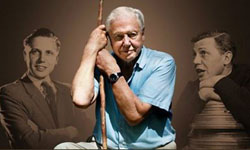
Over three very personal films, Sir David Attenborough looks back at the unparalleled changes in natural history that he has witnessed during his 60-year career
- TV-Recordings
- No subtitles
- 180
Over three very personal films, Sir David Attenborough looks back at the unparalleled changes in natural history that he has witnessed during his 60-year career
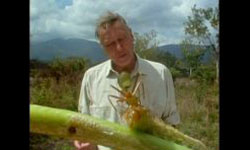
Sir David Attenborough gives his unique perspective on over half a century of innovation in wildlife filmmaking - developments that have brought ever more breathtaking and intimate images of wildlife to our television screens, changing our view of life on the planet forever.
- TV-Recordings
- Natural World
- TV-Recordings
- No subtitles
- 60
Sir David Attenborough gives his unique perspective on over half a century of innovation in wildlife filmmaking - developments that have brought ever more breathtaking and intimate images of wildlife to our television screens, changing our view of life on the planet forever.

David Attenborough reviews the most exciting scientific discoveries that have transformed our view of life on earth during his lifetime. How and where did life first begin? How do continents move? How do animals communicate? And why do they behave the way they do?
- TV-Recordings
- Natural World
- TV-Recordings
- No subtitles
- 60
David Attenborough reviews the most exciting scientific discoveries that have transformed our view of life on earth during his lifetime. How and where did life first begin? How do continents move? How do animals communicate? And why do they behave the way they do?
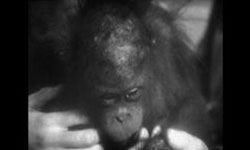
Sir David Attenborough reflects on the dramatic impact that humankind has had on the natural world within his own lifetime. He tells the surprising and deeply personal story of the changes he has seen, of the pioneering conservationists with who he has worked - and of the global revolution in attitudes towards nature that has taken place within the last six decades.
- TV-Recordings
- Natural World
- TV-Recordings
- No subtitles
- 60
Sir David Attenborough reflects on the dramatic impact that humankind has had on the natural world within his own lifetime. He tells the surprising and deeply personal story of the changes he has seen, of the pioneering conservationists with who he has worked - and of the global revolution in attitudes towards nature that has taken place within the last six decades.
-
Baka: A Cry from the Rainforest
-
Phil Agland
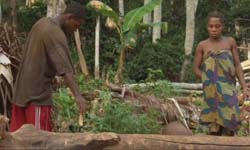
Phil Agland revisits the Baka Pygmy family he filmed 25 years ago in his BAFTA award winning documentary 'Baka: People of the Rainforest'. An extraordinary journey into the heart of the rainforest in Cameroon.
- TV-Recordings
- Geography
- TV-Recordings
- No subtitles
- 90
Phil Agland revisits the Baka Pygmy family he filmed 25 years ago in his BAFTA award winning documentary 'Baka: People of the Rainforest'. An extraordinary journey into the heart of the rainforest in Cameroon.
How scientist James Lovelock came to see the Earth as a holistic, self-regulating system.
- TV-Recordings
- Geography
- Physics
- TV-Recordings
- No subtitles
- 60
How scientist James Lovelock came to see the Earth as a holistic, self-regulating system.

The final part of this series looking at three brilliant contemporary scientists features Sir Tim Hunt, awarded the Nobel Prize for his discovery of the mechanism of how cells divide - a discovery fundamental to the life and growth of every single creature on the planet, as well as a vital clue into the mystery of cancer.
- TV-Recordings
- Chemistry
- TV-Recordings
- No subtitles
- 60
The final part of this series looking at three brilliant contemporary scientists features Sir Tim Hunt, awarded the Nobel Prize for his discovery of the mechanism of how cells divide - a discovery fundamental to the life and growth of every single creature on the planet, as well as a vital clue into the mystery of cancer.
Physicist Professor Andre Geim\'s constant search for new ideas has led to some extraordinary discoveries, from levitating frogs to a tape that sticks to surfaces like a gecko\'s foot. He reveals how his playful approach to his research helped him uncover the properties of graphene, the world\'s thinnest material, and won him a Nobel Prize.
- TV-Recordings
- Physics
- TV-Recordings
- No subtitles
- 60
Physicist Professor Andre Geim\'s constant search for new ideas has led to some extraordinary discoveries, from levitating frogs to a tape that sticks to surfaces like a gecko\'s foot. He reveals how his playful approach to his research helped him uncover the properties of graphene, the world\'s thinnest material, and won him a Nobel Prize.
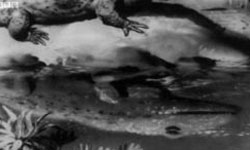
For paleontologist Professor Jenny Clack, who solved one of the greatest mysteries in the history of life on Earth, success was far from inevitable. She recounts how she had to overcome a series of setbacks before she found and described the fossil Acanthostega, a 365 million-year-old creature that offered dramatic new evidence of how fish made the transition onto land.
- TV-Recordings
- Biology
- TV-Recordings
- No subtitles
- 60
For paleontologist Professor Jenny Clack, who solved one of the greatest mysteries in the history of life on Earth, success was far from inevitable. She recounts how she had to overcome a series of setbacks before she found and described the fossil Acanthostega, a 365 million-year-old creature that offered dramatic new evidence of how fish made the transition onto land.
Professor Richard Dawkins reveals how he came to write his explosive first book The Selfish Gene, a work that was to divide the scientific community and make him the most influential evolutionary biologist of his generation. He also explores how this set him on the path to becoming an outspoken spokesman for atheism.
- TV-Recordings
- Biology
- TV-Recordings
- No subtitles
- 60
Professor Richard Dawkins reveals how he came to write his explosive first book The Selfish Gene, a work that was to divide the scientific community and make him the most influential evolutionary biologist of his generation. He also explores how this set him on the path to becoming an outspoken spokesman for atheism.
Science turns superhero as it battles to save the planet and preserve the human race.
- TV-Recordings
- Physics
- TV-Recordings
- No subtitles
- 60
Science turns superhero as it battles to save the planet and preserve the human race.
-
Britain's Secret Seas
-
BBC
Featuring glorious underwater photography revealing Britain's native waters to be as dramatic, colourful and surprising as the other oceans of the world.
- TV-Recordings
- No subtitles
- 240
Featuring glorious underwater photography revealing Britain's native waters to be as dramatic, colourful and surprising as the other oceans of the world.