
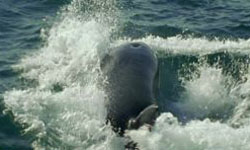
This episode explores the intimate details of the largest animals that have ever lived on our planet - the great whales. From the balmy waters of the Indian Ocean to the freezing seas of the Arctic, two daring underwater cameramen - Doug Allan, Planet Earth's polar specialist, and Didier Noirot, Cousteau's front-line cameraman - come face-to-face with fighting humpback whales and two-hundred-ton feeding blue whales.
- TV-Recordings
- Biology
- TV-Recordings
- English subtitles
- 60
This episode explores the intimate details of the largest animals that have ever lived on our planet - the great whales. From the balmy waters of the Indian Ocean to the freezing seas of the Arctic, two daring underwater cameramen - Doug Allan, Planet Earth's polar specialist, and Didier Noirot, Cousteau's front-line cameraman - come face-to-face with fighting humpback whales and two-hundred-ton feeding blue whales.
Humans have long wondered if the universe may harbour other intelligent life forms. But perhaps we need look no further than our oceans?
- TV-Recordings
- Biology
- TV-Recordings
- No subtitles
- 60
Humans have long wondered if the universe may harbour other intelligent life forms. But perhaps we need look no further than our oceans?
Whales and dolphins are nature's supreme vocalists, with a repertoire to put an opera singer to shame. The mighty sperm whale produces deafening clicks in its blowhole which it uses to locate giant squid two miles down in the ocean abyss, while migrating narwhals use similar sounds to pinpoint vital breathing holes in Arctic ice-floes.
- TV-Recordings
- Biology
- TV-Recordings
- No subtitles
- 60
Whales and dolphins are nature's supreme vocalists, with a repertoire to put an opera singer to shame. The mighty sperm whale produces deafening clicks in its blowhole which it uses to locate giant squid two miles down in the ocean abyss, while migrating narwhals use similar sounds to pinpoint vital breathing holes in Arctic ice-floes.
-
Oceans
-
Paul Rose
Four marine experts explore the planet's greatest wilderness - the oceans. They reveal the hidden stories of the deep through archaeology, geology, marine biology and anthropology.
- TV-Recordings
- No subtitles
- 420
Four marine experts explore the planet's greatest wilderness - the oceans. They reveal the hidden stories of the deep through archaeology, geology, marine biology and anthropology.
-
Oceans - Episode 02: Southern Ocean
-
Paul Rose
The team investigates why parts of the Southern Ocean are warming twice as fast as the rest of the world's oceans and looks at the impact of this phenomenon.
- TV-Recordings
- Biology
- Geography
- TV-Recordings
- No subtitles
- 57
The team investigates why parts of the Southern Ocean are warming twice as fast as the rest of the world's oceans and looks at the impact of this phenomenon.
-
Oceans - Episode 03: Red Sea
-
Paul Rose
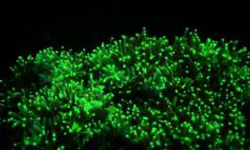
The team explores the remote and unexplored Southern Red Sea, teeming with marine life and home to some of the warmest waters on the planet.
- TV-Recordings
- Biology
- Geography
- TV-Recordings
- No subtitles
- 60
The team explores the remote and unexplored Southern Red Sea, teeming with marine life and home to some of the warmest waters on the planet.
-
Oceans - Episode 04: Atlantic Ocean
-
Paul Rose
The team explores a corner of the Atlantic Ocean. This ocean is the youngest of the great oceans and critical in influencing our climate.
- TV-Recordings
- Environmental Studies
- Geography
- TV-Recordings
- No subtitles
- 60
The team explores a corner of the Atlantic Ocean. This ocean is the youngest of the great oceans and critical in influencing our climate.

-
Oceans - Episode 05: Indian Ocean
-
Paul Rose
In the first of two episodes in the rich tropical waters of the Indian Ocean, the team explore its remote and pristine underwater worlds.
- TV-Recordings
- Biology
- Geography
- TV-Recordings
- No subtitles
- 57
In the first of two episodes in the rich tropical waters of the Indian Ocean, the team explore its remote and pristine underwater worlds.
The team explores the coastal waters of the Indian Ocean to discover what happens when the powerful Indian Ocean collides with the edge of a continent.
- TV-Recordings
- Geography
- TV-Recordings
- No subtitles
- 57
The team explores the coastal waters of the Indian Ocean to discover what happens when the powerful Indian Ocean collides with the edge of a continent.
-
Oceans - Episode 07: Mediterranean Ocean
-
Paul Rose
The team embarks on an expedition to explore the profound effect that man is having on the Mediterranean Sea. Western civilisation developed around its shores, but now human activity is threatening to destroy it.
- TV-Recordings
- Environmental Studies
- Geography
- TV-Recordings
- No subtitles
- 57
The team embarks on an expedition to explore the profound effect that man is having on the Mediterranean Sea. Western civilisation developed around its shores, but now human activity is threatening to destroy it.
-
Oceans - Episode 08: Arctic Ocean
-
Paul Rose
The team ventures into one of the world's most hostile environments, the Arctic Ocean, which plays a crucial role in controlling our climate.
- TV-Recordings
- Geography
- TV-Recordings
- No subtitles
- 60
The team ventures into one of the world's most hostile environments, the Arctic Ocean, which plays a crucial role in controlling our climate.
-
One Million Heads, One Beautiful Mind
-
Philip Dalton
Extraordinary photography reveals the incredible swarm intelligence that lies behind animal invasions.
- TV-Recordings
- Biology
- TV-Recordings
- No subtitles
- 58
Extraordinary photography reveals the incredible swarm intelligence that lies behind animal invasions.
-
Origins of Us
-
BBC
We have uncovered the secrets of the atom, travelled to the moon, and dominated planet Earth. But how did humans come to be so successful? This three-part series reveals the powerful anatomical changes that have given us - and our ancestors - the edge over all other life on Earth.
- TV-Recordings
- English subtitles
- 175
We have uncovered the secrets of the atom, travelled to the moon, and dominated planet Earth. But how did humans come to be so successful? This three-part series reveals the powerful anatomical changes that have given us - and our ancestors - the edge over all other life on Earth.
-
Origins of Us - Episode 2 - Guts
-
Matthew Dyas
Series exploring how the human body charts our evolution. How our ancestors' hunt for food changed the shape of our face, the way we see and how we attract the opposite sex.
- TV-Recordings
- English subtitles
- 58
Series exploring how the human body charts our evolution. How our ancestors' hunt for food changed the shape of our face, the way we see and how we attract the opposite sex.
-
Origins of Us - Episode 3 - Brains
-
Paul Olding
Series exploring how the human body charts our evolution. How living until old age and learning from one another has shaped human brains, and why our species has survived.
- TV-Recordings
- English subtitles
- 58
Series exploring how the human body charts our evolution. How living until old age and learning from one another has shaped human brains, and why our species has survived.

In the wake of the swine flu outbreak, virologist Dr Mike Leahy uses over 50 years of BBC archive to explore the history of pandemics - infectious diseases caused by bacteria, viruses and parasites.
- TV-Recordings
- Biology
- Medical Sciences
- TV-Recordings
- English subtitles
- 60
In the wake of the swine flu outbreak, virologist Dr Mike Leahy uses over 50 years of BBC archive to explore the history of pandemics - infectious diseases caused by bacteria, viruses and parasites.

Panorama investigates the global advance of antibiotic-resistant superbugs and the threat they pose to modern medicine and millions of patients worldwide. Reporter Fergus Walsh travels to India and finds restricted, life-saving antibiotics on sale without prescription and talks to NHS patients whose recovery depends on them.
- TV-Recordings
- Medical Sciences
- No subtitles
- 30
Panorama investigates the global advance of antibiotic-resistant superbugs and the threat they pose to modern medicine and millions of patients worldwide. Reporter Fergus Walsh travels to India and finds restricted, life-saving antibiotics on sale without prescription and talks to NHS patients whose recovery depends on them.
Ant colonies are one of the wonders of nature - complex, organised and mysterious. This programme reveals the secret, underground world of the ant colony in a way that's never been seen before. At its heart is a massive, full-scale ant nest, specially-designed and built to allow cameras to see its inner workings
- TV-Recordings
- Natural World
- TV-Recordings
- No subtitles
- 90
Ant colonies are one of the wonders of nature - complex, organised and mysterious. This programme reveals the secret, underground world of the ant colony in a way that's never been seen before. At its heart is a massive, full-scale ant nest, specially-designed and built to allow cameras to see its inner workings
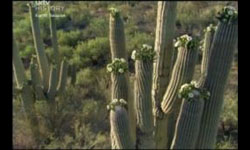
12-01-2007, Around 30% of the land's surface is desert, the most varied of our ecosystems despite the lack of rain. Saharan sandstorms reach nearly a mile high and desert rivers run for a single day.
- TV-Recordings
- Geography
- TV-Recordings
- No subtitles
- 46
12-01-2007, Around 30% of the land's surface is desert, the most varied of our ecosystems despite the lack of rain. Saharan sandstorms reach nearly a mile high and desert rivers run for a single day.

The Arctic and Antarctic experience the most extreme seasons on Earth. Time-lapse cameras watch a colony of emperor penguins, transforming them into a single organism. The film reveals new science about the dynamics of emperor penguin behaviour. In the north, unique aerial images show a polar bear swimming more than 100km. Diving for up to two minutes at a time. The exhausted polar bear later attacks a herd of walrus in a true clash of the Titans.
- TV-Recordings
- Biology
- Geography
- TV-Recordings
- No subtitles
- 46
The Arctic and Antarctic experience the most extreme seasons on Earth. Time-lapse cameras watch a colony of emperor penguins, transforming them into a single organism. The film reveals new science about the dynamics of emperor penguin behaviour. In the north, unique aerial images show a polar bear swimming more than 100km. Diving for up to two minutes at a time. The exhausted polar bear later attacks a herd of walrus in a true clash of the Titans.
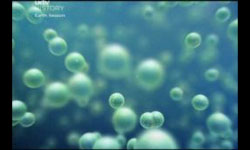
06-01-2007, A humpback whale mother and calf embark on an epic journey from tropical coral paradises to storm ravaged polar seas.
- TV-Recordings
- Biology
- TV-Recordings
- No subtitles
- 46
06-01-2007, A humpback whale mother and calf embark on an epic journey from tropical coral paradises to storm ravaged polar seas.

05-01-2007, The Taiga forest, on the edge of the Arctic, is a silent world of stunted conifers. The trees may be small but filming from the air reveals its true scale. A third of all trees on Earth grow here and during the short summer they produce enough oxygen to change the atmosphere.
- TV-Recordings
- Environmental Studies
- Geography
- TV-Recordings
- No subtitles
- 46
05-01-2007, The Taiga forest, on the edge of the Arctic, is a silent world of stunted conifers. The trees may be small but filming from the air reveals its true scale. A third of all trees on Earth grow here and during the short summer they produce enough oxygen to change the atmosphere.
-
Rise Of Animals. Part 1. From the Seas to the Skies
-
David Attenborough
David Attenborough embarks on an epic 500-million-year journey to unravel the incredible rise of the vertebrates. The evolution of animals with backbones is one of the greatest stories in natural history.
- TV-Recordings
- Natural World
- English subtitles
- 60
David Attenborough embarks on an epic 500-million-year journey to unravel the incredible rise of the vertebrates. The evolution of animals with backbones is one of the greatest stories in natural history.
-
Rise Of Animals. Part 2. Dawn Of The Mammals
-
David Attenborough
How mammals developed from tiny forest dwellers to the dominant life form on the planet.
- TV-Recordings
- Natural World
- English subtitles
- 60
How mammals developed from tiny forest dwellers to the dominant life form on the planet.

-
Royal Institution Christmas Lectures 2010
-
BBC
Series of lectures on a single topic, presenting scientific subjects to a general audience in an informative and entertaining manner
- TV-Recordings
- English subtitles
- 180
Series of lectures on a single topic, presenting scientific subjects to a general audience in an informative and entertaining manner

How can a hamster survive falling from the top of a skyscraper, ants carry over 100 times their own body weight and geckos climb across the ceiling?
- TV-Recordings
- Biology
- TV-Recordings
- English subtitles
- 60
How can a hamster survive falling from the top of a skyscraper, ants carry over 100 times their own body weight and geckos climb across the ceiling?

Dr Mark Miodownik zooms into the microscopic world beneath our fingertips. In this unfamiliar landscape, strange forces dominate the world and common sense goes out of the window.
- TV-Recordings
- Biology
- TV-Recordings
- English subtitles
- 60
Dr Mark Miodownik zooms into the microscopic world beneath our fingertips. In this unfamiliar landscape, strange forces dominate the world and common sense goes out of the window.
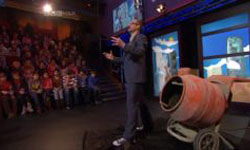
Why is the tallest building on earth less than half a mile high? Why don't we have mountains as tall as those on Mars?
- TV-Recordings
- Built Environment & Architecture
- Geography
- TV-Recordings
- English subtitles
- 60
Why is the tallest building on earth less than half a mile high? Why don't we have mountains as tall as those on Mars?

-
Royal Institution Christmas Lectures 2022
-
David Coleman
Great scientists, even greater questions. Mind-expanding talks and hands-on science, inspiring children and adults alike since 1825. In the 2022 Christmas Lectures, Professor Dame Sue Black will share secrets of the scientific detective process.
- TV-Recordings
- English subtitles
- 180
Great scientists, even greater questions. Mind-expanding talks and hands-on science, inspiring children and adults alike since 1825. In the 2022 Christmas Lectures, Professor Dame Sue Black will share secrets of the scientific detective process.

Professor Sue Black is joined by Emilia Fox and forensic scientists to unlock the mysterious death of a skeleton. With insights from investigations into serious crimes and war zones.
- TV-Recordings
- English subtitles
- 60
Professor Sue Black is joined by Emilia Fox and forensic scientists to unlock the mysterious death of a skeleton. With insights from investigations into serious crimes and war zones.