
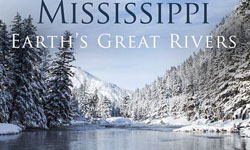
The surprising story of the Mississippi, a river that unites the USA. From frozen waterfalls to time-travelling barges, the Mississippi connects a continent like no other river.
- TV-Recordings
- English subtitles
- 60
The surprising story of the Mississippi, a river that unites the USA. From frozen waterfalls to time-travelling barges, the Mississippi connects a continent like no other river.
Earth's Natural Wonders are parts of the natural world that nature has carved on such a scale, that they beggar belief - vast mountain ranges, impenetrable rainforests and dazzling tropical islands.
- TV-Recordings
- No subtitles
- 60
Earth's Natural Wonders are parts of the natural world that nature has carved on such a scale, that they beggar belief - vast mountain ranges, impenetrable rainforests and dazzling tropical islands.
In many of the earth's natural wonders there is an abundance of animals. These can be a devastating threat to the people who live there, or they can provide a means of survival, but often at a high price.
- TV-Recordings
- No subtitles
- 60
In many of the earth's natural wonders there is an abundance of animals. These can be a devastating threat to the people who live there, or they can provide a means of survival, but often at a high price.

In some of the world's most spectacular natural wonders, people push themselves to the limit in order to survive. For the people who call these extraordinary places home, survival requires skill, ingenuity and bravery.
- TV-Recordings
- No subtitles
- 60
In some of the world's most spectacular natural wonders, people push themselves to the limit in order to survive. For the people who call these extraordinary places home, survival requires skill, ingenuity and bravery.
-
Earth's Natural Wonders Series 2 (HD)
-
BBC
Documentary series examining what it takes to survive in some of the most extreme places on the planet.
- TV-Recordings
- Natural World
- No subtitles
- 180
Documentary series examining what it takes to survive in some of the most extreme places on the planet.
-
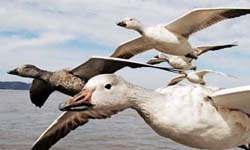
Earthflight
-
BBC
Nature documentary that takes a breathtaking flight on the wings of birds across six continents and experiences some of the world's greatest natural spectacles from a bird's-eye view.
- TV-Recordings
- No subtitles
- 360
Nature documentary that takes a breathtaking flight on the wings of birds across six continents and experiences some of the world's greatest natural spectacles from a bird's-eye view.
Nature documentary that takes a breathtaking flight on the wings of birds across six continents and experiences some of the world\'s greatest natural spectacles from a bird\'s-eye view.This episode takes flight across North America, as snow geese fall prey to bald eagles.
- TV-Recordings
- Geography
- Natural World
- TV-Recordings
- No subtitles
- 60
Nature documentary that takes a breathtaking flight on the wings of birds across six continents and experiences some of the world\'s greatest natural spectacles from a bird\'s-eye view.This episode takes flight across North America, as snow geese fall prey to bald eagles.
-
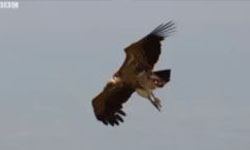
Earthflight - 02 Africa
-
BBC 1
This episode takes flight over Africa, as cape gannets join the great sardine run.
- TV-Recordings
- Geography
- Natural World
- TV-Recordings
- No subtitles
- 60
This episode takes flight over Africa, as cape gannets join the great sardine run.
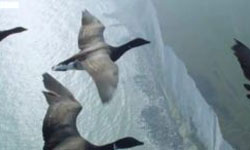
Cranes and geese soar over Venice, the white cliffs of Dover and Edinburgh.
- TV-Recordings
- Geography
- Natural World
- TV-Recordings
- No subtitles
- 60
Cranes and geese soar over Venice, the white cliffs of Dover and Edinburgh.
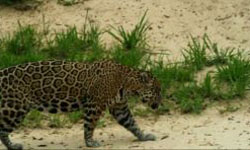
The nature series gives a bird\'s-eye view of South America.
- TV-Recordings
- Geography
- Natural World
- TV-Recordings
- No subtitles
- 60
The nature series gives a bird\'s-eye view of South America.
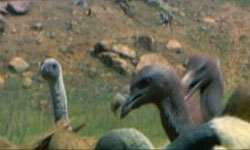
The nature series gives a bird\'s-eye view of Asia and Australia.
- TV-Recordings
- Geography
- Natural World
- TV-Recordings
- No subtitles
- 60
The nature series gives a bird\'s-eye view of Asia and Australia.
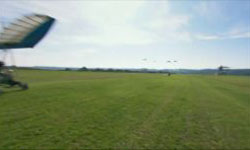
Special programme looking at the techniques used in the production of Earthflight.
- TV-Recordings
- Geography
- Natural World
- TV-Recordings
- No subtitles
- 60
Special programme looking at the techniques used in the production of Earthflight.
-
Earths Tropical Islands
-
Mark Brownlow
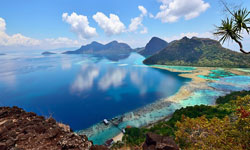
Exploring some of the world's most isolated and iconic tropical islands.
- TV-Recordings
- English subtitles
- 177
Exploring some of the world's most isolated and iconic tropical islands.

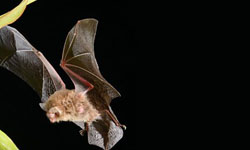
Journey across Madagascar, the oldest island on Earth. Over time, it has given rise to more unique plants and animals, from its lemurs to chameleons, than any other island.
- TV-Recordings
- English subtitles
- 58
Journey across Madagascar, the oldest island on Earth. Over time, it has given rise to more unique plants and animals, from its lemurs to chameleons, than any other island.
-
Earths Tropical Islands - Series 1 - Episode 2 - Borneo
-
Mark Brownlow
A journey from Borneo's rich coral reefs, through lush jungles to its mountainous heart, revealing why this island is home to a greater variety of life than almost any other.
- TV-Recordings
- English subtitles
- 59
A journey from Borneo's rich coral reefs, through lush jungles to its mountainous heart, revealing why this island is home to a greater variety of life than almost any other.

-
Earths Tropical Islands - Series 1 - Episode 3 - Hawaii
-
Mark Brownlow
Exploring Hawaii, a tropical sanctuary for any wildlife that can reach its remote shores. From humpback whales to waterfall-climbing fish, it is home to an extraordinary wealth of wildlife.
- TV-Recordings
- English subtitles
- 59
Exploring Hawaii, a tropical sanctuary for any wildlife that can reach its remote shores. From humpback whales to waterfall-climbing fish, it is home to an extraordinary wealth of wildlife.
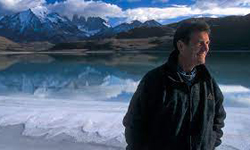
Michael Palin explores China, staying in the Governor's Castle in Qingdao where Mao slept, meeting the owner of a Chinese vineyard which produces Chardonay and having a street massage. He travels to Shanghai and then by train and boat to the Yangtse Gorge, where a huge engineering project to create a dam is in progress, which will flood the towns and areas in which he is now travelling. Third in the series
- TV-Recordings
- Engineering
- Geography
- TV-Recordings
- No subtitles
- 17
Michael Palin explores China, staying in the Governor's Castle in Qingdao where Mao slept, meeting the owner of a Chinese vineyard which produces Chardonay and having a street massage. He travels to Shanghai and then by train and boat to the Yangtse Gorge, where a huge engineering project to create a dam is in progress, which will flood the towns and areas in which he is now travelling. Third in the series

Michael Palin travels to Japan, starting at the island of Sado where he meets the famous Kodd Drummers. From there he moves down to Tokyo and is shown around by Mayumi, an early Japanese Monty Python fan.
- TV-Recordings
- Geography
- TV-Recordings
- No subtitles
- 40
Michael Palin travels to Japan, starting at the island of Sado where he meets the famous Kodd Drummers. From there he moves down to Tokyo and is shown around by Mayumi, an early Japanese Monty Python fan.
-
Ganges
-
Dan Rees
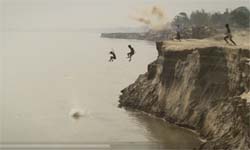
This programme tells the story of the most extraordinary river in the world - the Ganges. Human life and nature bustle along her river banks, in a kaleidoscope of colour and energy in this dramatic BBC documentary.
- TV-Recordings
- Geography
- TV-Recordings
- No subtitles
- 49
This programme tells the story of the most extraordinary river in the world - the Ganges. Human life and nature bustle along her river banks, in a kaleidoscope of colour and energy in this dramatic BBC documentary.
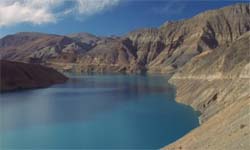
Michael Palin visits the Potala Palace and the great monasteries of Tashilunpo and Sera, where the traditional Tibetan towns are being replaced by modern Chinese cities, he then accompanies some pilgrims to the holy Namtso Lake.
- TV-Recordings
- Built Environment & Architecture
- Geography
- TV-Recordings
- No subtitles
- 47
Michael Palin visits the Potala Palace and the great monasteries of Tashilunpo and Sera, where the traditional Tibetan towns are being replaced by modern Chinese cities, he then accompanies some pilgrims to the holy Namtso Lake.

Earthquakes are among the most devastating natural disasters on the planet. In the last hundred years they have claimed the lives of over one million people. Earthquakes are destructive mainly because of their unpredictable nature. It is impossible to say accurately when a quake will strike but a new theory developed by Professor Geoffrey King could help save lives by preparing cities long in advance for an earthquake
- TV-Recordings
- Geography
- Physics
- TV-Recordings
- No subtitles
- 46
Earthquakes are among the most devastating natural disasters on the planet. In the last hundred years they have claimed the lives of over one million people. Earthquakes are destructive mainly because of their unpredictable nature. It is impossible to say accurately when a quake will strike but a new theory developed by Professor Geoffrey King could help save lives by preparing cities long in advance for an earthquake

The world's oceans claim on average one ship a week, often in mysterious circumstances. With little evidence to go on, investigators usually point at human error or poor maintenance but an alarming series of disappearances and near-sinkings, including world-class vessels with unblemished track records, has prompted the search for a more sinister cause and renewed belief in a maritime myth: the wall of water
- TV-Recordings
- Geography
- TV-Recordings
- No subtitles
- 48
The world's oceans claim on average one ship a week, often in mysterious circumstances. With little evidence to go on, investigators usually point at human error or poor maintenance but an alarming series of disappearances and near-sinkings, including world-class vessels with unblemished track records, has prompted the search for a more sinister cause and renewed belief in a maritime myth: the wall of water

In the early 1950's, oil geologists discovered the signs of a giant tsunami, half a kilometer high, that hit a remote bay in Alaska. After research, scientists concluded that the tsunami was created by a landslide in the ocean off the coast. Since then, scientists who study tsunamis have discovered several sites around the world where major under water landslides could create giant or mega tsunami
- TV-Recordings
- Geography
- TV-Recordings
- No subtitles
- 10
In the early 1950's, oil geologists discovered the signs of a giant tsunami, half a kilometer high, that hit a remote bay in Alaska. After research, scientists concluded that the tsunami was created by a landslide in the ocean off the coast. Since then, scientists who study tsunamis have discovered several sites around the world where major under water landslides could create giant or mega tsunami
-
How Earth Made Us
-
BBC
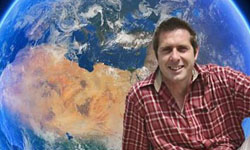
Professor Iain Stewart uses spectacular images to tells the epic story of how geology, geography and climate have influenced mankind.
- TV-Recordings
- English subtitles
- 300
Professor Iain Stewart uses spectacular images to tells the epic story of how geology, geography and climate have influenced mankind.
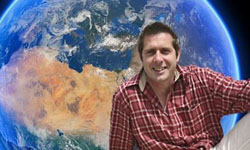
Professor Iain Stewart tells the epic story of how geology, geography and climate have influenced mankind.In this first episode, Iain explores the relationship between the deep Earth and the development of human civilisation. He visits an extraordinary crystal cave in Mexico, drops down a hole in the Iranian desert and crawls through seven-thousand-year-old tunnels in Israel.
- TV-Recordings
- Environmental Studies
- Geography
- Geology
- TV-Recordings
- English subtitles
- 60
Professor Iain Stewart tells the epic story of how geology, geography and climate have influenced mankind.In this first episode, Iain explores the relationship between the deep Earth and the development of human civilisation. He visits an extraordinary crystal cave in Mexico, drops down a hole in the Iranian desert and crawls through seven-thousand-year-old tunnels in Israel.
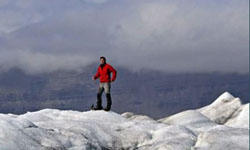
Professor Iain Stewart continues his epic exploration of how the planet has shaped human history.This time he explores our complex relationship with water. Visiting spectacular locations in Iceland, the Middle East and India, Iain shows how control over water has been central to human existence.
- TV-Recordings
- Environmental Studies
- Geography
- TV-Recordings
- English subtitles
- 60
Professor Iain Stewart continues his epic exploration of how the planet has shaped human history.This time he explores our complex relationship with water. Visiting spectacular locations in Iceland, the Middle East and India, Iain shows how control over water has been central to human existence.
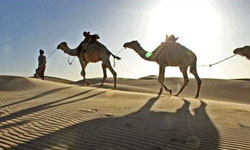
Professor Iain Stewart explores the story of our turbulent relationship with the wind.
- TV-Recordings
- Environmental Studies
- Physics
- TV-Recordings
- English subtitles
- 60
Professor Iain Stewart explores the story of our turbulent relationship with the wind.
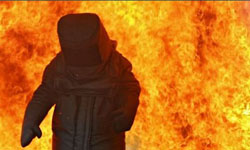
Iain explores man\'s relationship with fire. He begins by embarking on an extraordinary encounter with this terrifying force of nature - a walk right through the heart of a raging fire.
- TV-Recordings
- Environmental Studies
- Physics
- TV-Recordings
- English subtitles
- 60
Iain explores man\'s relationship with fire. He begins by embarking on an extraordinary encounter with this terrifying force of nature - a walk right through the heart of a raging fire.
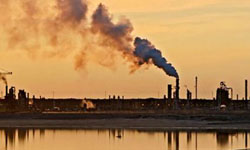
It\'s easy to think of the human impact on the planet as a negative one, but as this programme discovers, this isn\'t always the case.It is clear that humans have unprecedented control over many of the planet\'s geological cycles; the question is, how will the human race use this power?
- TV-Recordings
- Environmental Studies
- Geography
- Geology
- TV-Recordings
- English subtitles
- 60
It\'s easy to think of the human impact on the planet as a negative one, but as this programme discovers, this isn\'t always the case.It is clear that humans have unprecedented control over many of the planet\'s geological cycles; the question is, how will the human race use this power?

-
How to Grow a Planet
-
BBC
In this series Professor Iain Stewart tells a stunning new story about our planet. He reveals how the greatest changes to the Earth have been driven, above all, by plants.
- TV-Recordings
- No subtitles
- 180
In this series Professor Iain Stewart tells a stunning new story about our planet. He reveals how the greatest changes to the Earth have been driven, above all, by plants.