

-
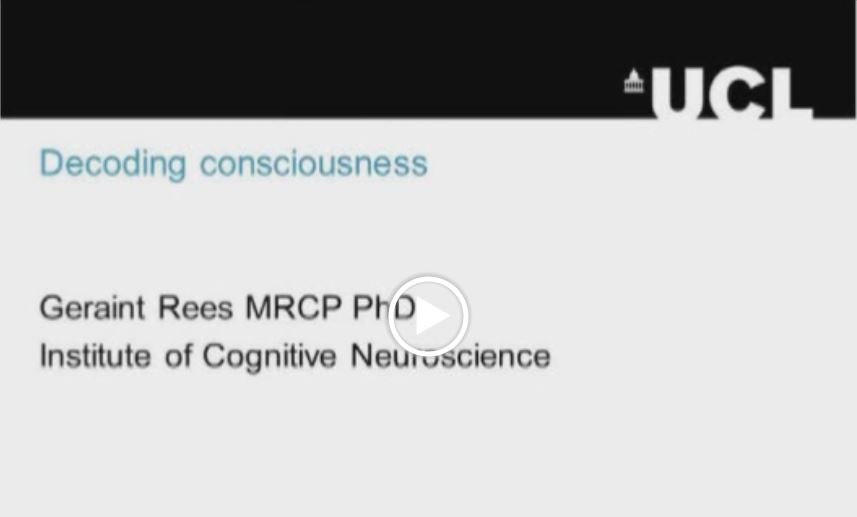
Decoding Consciousness
-
Geraint Rees , 2011
Pre-sessional lecture 2011
- Lectures
- General Science
- Lectures
- No subtitles
- 53
Pre-sessional lecture 2011
-
Decoding Consciousness (with transcript)
-
Prof Geriant Rees , 2008
GPC/Pre-sessional Lecture 2008
- Lectures
- Humanities
- Lectures
- No subtitles
- 65
GPC/Pre-sessional Lecture 2008
-
Hacking The Brain
-
Dr Lewis Dartnell , 2010
Diploma 2010
- Lectures
- Lectures
- Medical Sciences
- No subtitles
- 55
Diploma 2010
-
It's All In Your Head
-
Dr Suzanne O'sullivan , 2016
Science and Society Lecture 29th November 2016
- Lectures
- No subtitles
- 51
Science and Society Lecture 29th November 2016

-
Visual Music and Synaesthesia
-
Dr Jamie Ward , 2006
Diploma Lecture 2006-2007
- Lectures
- Humanities
- Lectures
- No subtitles
- 60
Diploma Lecture 2006-2007
-
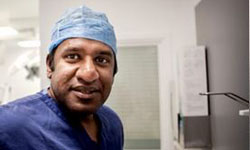
Brain Doctors
-
Documentary filming the work of the neurosurgeons at Oxford's John Radcliffe Hospital over seven months and meeting the patients whose lives depend on their skill.
- TV-Recordings
- No subtitles
- 180
Documentary filming the work of the neurosurgeons at Oxford's John Radcliffe Hospital over seven months and meeting the patients whose lives depend on their skill.
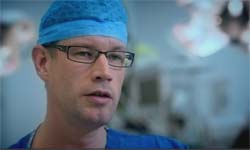
At Oxford's John Radcliffe Hospital, mum Adele has just heard the devastating news from brain surgeon Jay Jayamohan that her three-year-old daughter Cerys has a malignant brain cancer. This film follows Cerys's battle and shows other patients who are battling similar odds.
- TV-Recordings
- Medical Sciences
- TV-Recordings
- No subtitles
- 60
At Oxford's John Radcliffe Hospital, mum Adele has just heard the devastating news from brain surgeon Jay Jayamohan that her three-year-old daughter Cerys has a malignant brain cancer. This film follows Cerys's battle and shows other patients who are battling similar odds.
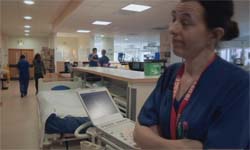
The brain is the most complex and mysterious organ in the body and the neurosurgeons of Oxford's John Radcliffe Hospital like Jay Jayamohan deal with brains which go badly wrong.
- TV-Recordings
- Medical Sciences
- TV-Recordings
- No subtitles
- 60
The brain is the most complex and mysterious organ in the body and the neurosurgeons of Oxford's John Radcliffe Hospital like Jay Jayamohan deal with brains which go badly wrong.
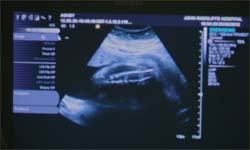
The parents of two year old Raj face an unimaginable dilemma. Ray has a brain tumour which, untreated, will kill him within months. Doctors at Oxford's John Radcliffe Hospital can operate but the surgery carries a high risk of paralysis.
- TV-Recordings
- Medical Sciences
- TV-Recordings
- No subtitles
- 60
The parents of two year old Raj face an unimaginable dilemma. Ray has a brain tumour which, untreated, will kill him within months. Doctors at Oxford's John Radcliffe Hospital can operate but the surgery carries a high risk of paralysis.
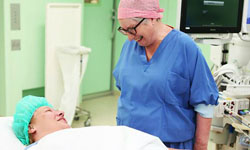
A look at people living with OCD, the therapy available and what neuroscience can offer.
- TV-Recordings
- Medical Sciences
- English subtitles
- 59
A look at people living with OCD, the therapy available and what neuroscience can offer.
In this programme, Michael Mosley delves into the BBC archives to chart scientists' progress as they probed the mind of the murderer to try to understand why people kill, and to find out whether by understanding murder we can prevent it.
- TV-Recordings
- English subtitles
- 60
In this programme, Michael Mosley delves into the BBC archives to chart scientists' progress as they probed the mind of the murderer to try to understand why people kill, and to find out whether by understanding murder we can prevent it.

Taste is our most indulgent sense but it is only in recent years that we have started to understand why we really love the foods we do - and it is a lot more surprising than you might think.
- TV-Recordings
- Medical Sciences
- English subtitles
- 60
Taste is our most indulgent sense but it is only in recent years that we have started to understand why we really love the foods we do - and it is a lot more surprising than you might think.

Professor Alice Roberts is making a new human being - she is pregnant with her second child. But before he is born, she wants to find out what makes a human, human? What is that separates us from our closest living relatives - the chimpanzees?
- TV-Recordings
- Genetics
- English subtitles
- 60
Professor Alice Roberts is making a new human being - she is pregnant with her second child. But before he is born, she wants to find out what makes a human, human? What is that separates us from our closest living relatives - the chimpanzees?

Horizon uncovers the secret world of our dreams. In a series of cutting-edge experiments and personal stories, we go in search of the science behind this most enduring mystery and ask: where do dreams come from? Do they have meaning? And ultimately, why do we dream?
- TV-Recordings
- Humanities
- Medical Sciences
- TV-Recordings
- No subtitles
- 50
Horizon uncovers the secret world of our dreams. In a series of cutting-edge experiments and personal stories, we go in search of the science behind this most enduring mystery and ask: where do dreams come from? Do they have meaning? And ultimately, why do we dream?
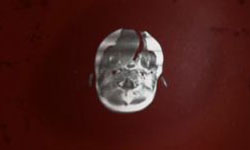
In this episode, Michael Mosley traces our development from birth to adulthood, and reveals that the human brain is so sophisticated it takes more than twenty years to mature.
- TV-Recordings
- Biology
- Medical Sciences
- TV-Recordings
- No subtitles
- 60
In this episode, Michael Mosley traces our development from birth to adulthood, and reveals that the human brain is so sophisticated it takes more than twenty years to mature.
Why does the brain look like a giant walnut, how does it fit in enough wiring to stretch four times around the equator, and why could a magnet on the head stop someone mid-sentence?
- TV-Recordings
- Medical Sciences
- TV-Recordings
- English subtitles
- 60
Why does the brain look like a giant walnut, how does it fit in enough wiring to stretch four times around the equator, and why could a magnet on the head stop someone mid-sentence?
The brain is constantly being bombarded with information, so how does it decide what to trust and what to ignore, without the person even being aware of it?
- TV-Recordings
- Medical Sciences
- TV-Recordings
- English subtitles
- 60
The brain is constantly being bombarded with information, so how does it decide what to trust and what to ignore, without the person even being aware of it?
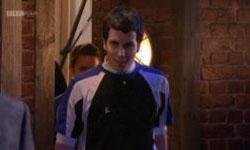
Have you ever seen a face in a piece of burnt toast, or given your car a name? Why do you feel pain when someone else is hurt? Why are people so obsessed with other people?
- TV-Recordings
- Medical Sciences
- TV-Recordings
- English subtitles
- 60
Have you ever seen a face in a piece of burnt toast, or given your car a name? Why do you feel pain when someone else is hurt? Why are people so obsessed with other people?

-
Royal Institution Christmas Lectures 2011
-
BBC 4
Series of lectures on a single topic, presenting scientific subjects to a general audience in an informative and entertaining manner
- TV-Recordings
- English subtitles
- 180
Series of lectures on a single topic, presenting scientific subjects to a general audience in an informative and entertaining manner

-
Storyville - The English Surgeon
-
Geoffrey Smith
Geoffrey Smith's moving film follows Henry as he travels to Kiev to help Igor operate on a young man called Marian, who without surgery has just months to live. When Henry arrives, he faces a serious challenge - Marian must be awake when his tumour is removed, and Henry must use the most basic tools, including a Black and Decker drill.
- TV-Recordings
- Medical Sciences
- TV-Recordings
- No subtitles
- 90
Geoffrey Smith's moving film follows Henry as he travels to Kiev to help Igor operate on a young man called Marian, who without surgery has just months to live. When Henry arrives, he faces a serious challenge - Marian must be awake when his tumour is removed, and Henry must use the most basic tools, including a Black and Decker drill.
-
The Brain with David Eagleman
-
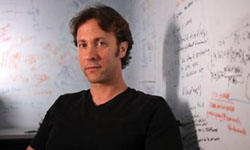
Neuroscientist David Eagleman explores the wonders of the human brain in a series that reveals the ultimate story of us, why we feel and think the things we do.
- TV-Recordings
- English subtitles
- No
Neuroscientist David Eagleman explores the wonders of the human brain in a series that reveals the ultimate story of us, why we feel and think the things we do.
-
The Brain with David Eagleman - 1. What is Reality
-
Dr David Eagleman
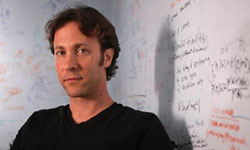
Series in which Dr David Eagleman takes viewers on an extraordinary journey that explores how the brain, locked in silence and darkness without direct access to the world, conjures up the rich and beautiful world we all take for granted.
- TV-Recordings
- English subtitles
- 60
Series in which Dr David Eagleman takes viewers on an extraordinary journey that explores how the brain, locked in silence and darkness without direct access to the world, conjures up the rich and beautiful world we all take for granted.
-
The Brain with David Eagleman - 2. What Makes Me?
-
Dr David Eagleman
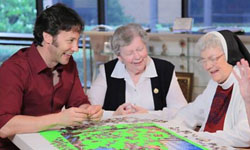
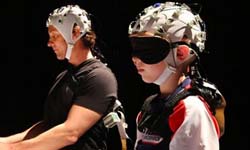
This episode explores the question of how the brain gives rise to our thoughts, emotions, memories and personality. We see how the process of becoming 'you' starts at birth. The brain of a newborn baby is not yet fully developed, instead it grows and shapes itself around life experience.
- TV-Recordings
- English subtitles
- 60
This episode explores the question of how the brain gives rise to our thoughts, emotions, memories and personality. We see how the process of becoming 'you' starts at birth. The brain of a newborn baby is not yet fully developed, instead it grows and shapes itself around life experience.
-
The Brain with David Eagleman - 3. Who Is in Control?
-
Dr David Eagleman
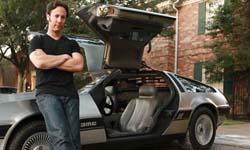
This episode explores the great deception that greets us each morning when we wake up - it feels as though we are in conscious control of our lives, but in fact almost every action we take, every decision we make, every belief that we hold is driven by parts of the brain that we have no access to.
- TV-Recordings
- English subtitles
- 60
This episode explores the great deception that greets us each morning when we wake up - it feels as though we are in conscious control of our lives, but in fact almost every action we take, every decision we make, every belief that we hold is driven by parts of the brain that we have no access to.
-
The Brain with David Eagleman - 4. How do I decide ?
-
Dr David Eagleman
The human brain is the most complex object we've discovered in the universe, and every day much of its neural circuitry is taken up with the tens of thousands of decisions we need to make. This episode takes a journey through the unseen world of decisions, and how they get made. We start with a simple one - choosing a flavour of frozen yoghurt - and learn that every decision we make is born of a 'winner takes all' competition between rival neural networks.
- TV-Recordings
- English subtitles
- 60
The human brain is the most complex object we've discovered in the universe, and every day much of its neural circuitry is taken up with the tens of thousands of decisions we need to make. This episode takes a journey through the unseen world of decisions, and how they get made. We start with a simple one - choosing a flavour of frozen yoghurt - and learn that every decision we make is born of a 'winner takes all' competition between rival neural networks.

-
The Brain with David Eagleman - 5. Why do I need You ?
-
Dr David Eagleman
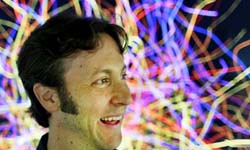
This episode explores how the human brain relies on other brains to thrive and survive. Dr Eagleman demonstrates how, from as young as ten months old, babies can discern who is trustworthy and who isn't.
- TV-Recordings
- English subtitles
- 60
This episode explores how the human brain relies on other brains to thrive and survive. Dr Eagleman demonstrates how, from as young as ten months old, babies can discern who is trustworthy and who isn't.
-
The Brain with David Eagleman - 6. Who Will We Be?
-
Dr David Eagleman
In this episode Dr Eagleman journeys into the future, and asks what's next for the human brain and for our species. Mother nature has evolved a brain that is able to rewire itself according to its environment. We meet Cameron Mott, who had half her brain removed at the age of four, but was able to develop normally as her brain rewired itself to take over the functions of the missing half.
- TV-Recordings
- English subtitles
- 60
In this episode Dr Eagleman journeys into the future, and asks what's next for the human brain and for our species. Mother nature has evolved a brain that is able to rewire itself according to its environment. We meet Cameron Mott, who had half her brain removed at the age of four, but was able to develop normally as her brain rewired itself to take over the functions of the missing half.

In a compelling and at times disturbing series, Dr Michael Mosley explores the brutal history of experimental psychology.To begin, Michael traces the sinister ways this science has been used to try to control our minds.
- TV-Recordings
- Psychology
- English subtitles
- 60
In a compelling and at times disturbing series, Dr Michael Mosley explores the brutal history of experimental psychology.To begin, Michael traces the sinister ways this science has been used to try to control our minds.
In this film, Michael investigates how scientists have struggled to understand that most irrational and deeply complex part of our minds - our emotions.
- TV-Recordings
- Psychology
- English subtitles
- 60
In this film, Michael investigates how scientists have struggled to understand that most irrational and deeply complex part of our minds - our emotions.
Dr Michael Mosley concludes his series exploring the brutal history of experimental psychology by looking at how experiments on abnormal brains have revealed the workings of the normal brain.
- TV-Recordings
- Psychology
- English subtitles
- 60
Dr Michael Mosley concludes his series exploring the brutal history of experimental psychology by looking at how experiments on abnormal brains have revealed the workings of the normal brain.