
-
Botany: A Blooming History
-
BBC 4
Series which tells the story of how people came to understand the natural order of the plant world, and how the quest to discover how plants grow uncovered the secret to life on the planet.
- TV-Recordings
- No subtitles
- 180
Series which tells the story of how people came to understand the natural order of the plant world, and how the quest to discover how plants grow uncovered the secret to life on the planet.
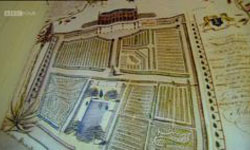
What makes plants grow is a simple enough question. The answer turns out to be one of the most complicated and fascinating stories in science and took over 300 years to unravel.
- TV-Recordings
- Biology
- TV-Recordings
- No subtitles
- 60
What makes plants grow is a simple enough question. The answer turns out to be one of the most complicated and fascinating stories in science and took over 300 years to unravel.
For 10,000 years or more, humans created new plant varieties for food by trial and error and a touch of serendipity. Then 150 years ago, a new era began. Pioneer botanists unlocked the patterns found in different types of plants and opened the door to a new branch of science - plant genetics. They discovered what controlled the random colours of snapdragon petals and the strange colours found in wild maize.
- TV-Recordings
- Biology
- TV-Recordings
- No subtitles
- 60
For 10,000 years or more, humans created new plant varieties for food by trial and error and a touch of serendipity. Then 150 years ago, a new era began. Pioneer botanists unlocked the patterns found in different types of plants and opened the door to a new branch of science - plant genetics. They discovered what controlled the random colours of snapdragon petals and the strange colours found in wild maize.
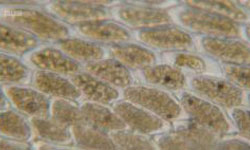
The air we breathe, and all the food we eat, is created from water, sunlight, carbon dioxide and a few minerals. That\'s it, nothing else. It sounds simple, but this process is one of the most fascinating and complicated in all of science. Without it there could be no life on earth. It\'s that important.
- TV-Recordings
- Biology
- TV-Recordings
- No subtitles
- 60
The air we breathe, and all the food we eat, is created from water, sunlight, carbon dioxide and a few minerals. That\'s it, nothing else. It sounds simple, but this process is one of the most fascinating and complicated in all of science. Without it there could be no life on earth. It\'s that important.
In this series Professor Iain Stewart tells a stunning new story about our planet. He reveals how the greatest changes to the Earth have been driven, above all, by plants.
- TV-Recordings
- Biology
- Physics
- TV-Recordings
- No subtitles
- 60
In this series Professor Iain Stewart tells a stunning new story about our planet. He reveals how the greatest changes to the Earth have been driven, above all, by plants.

In the second episode, Iain discovers how flowers have transformed our planet. He journeys to the remote islands of the South Pacific to track down the earliest flowers.
- TV-Recordings
- Biology
- Physics
- TV-Recordings
- No subtitles
- 60
In the second episode, Iain discovers how flowers have transformed our planet. He journeys to the remote islands of the South Pacific to track down the earliest flowers.
In the third episode, Iain discovers the remarkable impact of just one plant: grass. On the savannah of South Africa he sees how grass unleashed a firestorm to fight its greatest enemy, the forests.
- TV-Recordings
- Biology
- Physics
- TV-Recordings
- No subtitles
- 60
In the third episode, Iain discovers the remarkable impact of just one plant: grass. On the savannah of South Africa he sees how grass unleashed a firestorm to fight its greatest enemy, the forests.

05-01-2007, The Taiga forest, on the edge of the Arctic, is a silent world of stunted conifers. The trees may be small but filming from the air reveals its true scale. A third of all trees on Earth grow here and during the short summer they produce enough oxygen to change the atmosphere.
- TV-Recordings
- Environmental Studies
- Geography
- TV-Recordings
- No subtitles
- 46
05-01-2007, The Taiga forest, on the edge of the Arctic, is a silent world of stunted conifers. The trees may be small but filming from the air reveals its true scale. A third of all trees on Earth grow here and during the short summer they produce enough oxygen to change the atmosphere.

-
The Great British Year
-
BBC
A portrait of the spectacular, dynamic nature of Britain over the course of one year.
- TV-Recordings
- English subtitles
- No
A portrait of the spectacular, dynamic nature of Britain over the course of one year.
Spring arrives, marking the start of an epic race for life where timing is everything.
- TV-Recordings
- Natural World
- English subtitles
- 60
Spring arrives, marking the start of an epic race for life where timing is everything.
A portrait of the spectacular, dynamic nature of Britain over the course of one year. In the midst of winter, time-lapses show a magical country shrouded in frost and mist.
- TV-Recordings
- Natural World
- English subtitles
- 60
A portrait of the spectacular, dynamic nature of Britain over the course of one year. In the midst of winter, time-lapses show a magical country shrouded in frost and mist.
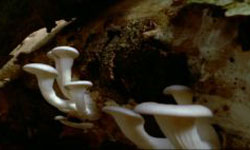
The fading sun brings a change to Britain: a time of storms and unpredictable weather.
- TV-Recordings
- Natural World
- English subtitles
- 60
The fading sun brings a change to Britain: a time of storms and unpredictable weather.
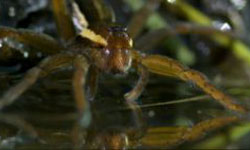
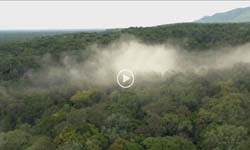
The Great Rift Valley provides the stage for an epic battle between trees and grass - its course influenced by volcanic eruptions, landscape and rainfall. On its outcome rests the fate of Africa's great game herds.
- TV-Recordings
- Geography
- TV-Recordings
- English subtitles
- 60
The Great Rift Valley provides the stage for an epic battle between trees and grass - its course influenced by volcanic eruptions, landscape and rainfall. On its outcome rests the fate of Africa's great game herds.
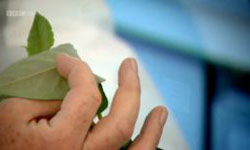
Blue Peter gardener Chris Collins celebrates the humble and sometimes hated plants we call weeds. He discovers that there is no such thing as a weed, botanically speaking, and that in fact what we call a weed has changed again and again over the last three hundred years.
- TV-Recordings
- Biology
- TV-Recordings
- English subtitles
- 59
Blue Peter gardener Chris Collins celebrates the humble and sometimes hated plants we call weeds. He discovers that there is no such thing as a weed, botanically speaking, and that in fact what we call a weed has changed again and again over the last three hundred years.