

-
Supersize Me
-
Morgan Spurlock , 2004
While examining the influence of the fast food industry, Morgan Spurlock personally explores the consequences on his health of a diet of solely McDonald's food for one month.
- Films
- No subtitles
- 100
While examining the influence of the fast food industry, Morgan Spurlock personally explores the consequences on his health of a diet of solely McDonald's food for one month.
-
Health and Social Welfare in an Ageing World. GPC Lecture
-
Dr James Nazroo , 2006
GPC Lecture 2006
- Lectures
- Lectures
- Politics & Public Policy
- No subtitles
- 62
GPC Lecture 2006
-
Policy Challenges in an Ageing World
-
James Banks , 2009
Pre-Sessional 2009
- Lectures
- Art & Design
- Lectures
- No subtitles
- 60
Pre-Sessional 2009

-
What Do Crime and Diseases Have in Common?
-
Dr Shane D. Johnson , 2007
Pre-Sessional 2007
- Lectures
- Economics & Finance
- Lectures
- Politics & Public Policy
- No subtitles
- 65
Pre-Sessional 2007

Early research in the 1990s suggested that babies born with a lower birth weight were at increased risk of developing diabetes in later life. This work has now moved on to show that the weight you put on after birth is more crucial. How effective is physical exercise on the rate of developing diabetes, and just how much exercise do you need to do in order to protect yourself? Richard Hannaford follows the population studies that have found the answers to these and other questions about the emergence of this condition.
Early research in the 1990s suggested that babies born with a lower birth weight were at increased risk of developing diabetes in later life. This work has now moved on to show that the weight you put on after birth is more crucial. How effective is physical exercise on the rate of developing diabetes, and just how much exercise do you need to do in order to protect yourself? Richard Hannaford follows the population studies that have found the answers to these and other questions about the emergence of this condition.

Adding fluoride to the water supply has always been a polarised debate. Some think it will prevent tooth decay while others say its safety has not been proven. Its not a new argument, 50 years of fluoridation studies are available but recently public health officials of both Scotland and England have revisited the issue. The difference is that Scotland has decided against increasing the amount of fluoride in the water, while in England the Strategic Health Authorities can, after consultation, request that Water Companies add fluoride to an agreed level. Richard Hannaford asks whether science can ever solve this controversy.
Adding fluoride to the water supply has always been a polarised debate. Some think it will prevent tooth decay while others say its safety has not been proven. Its not a new argument, 50 years of fluoridation studies are available but recently public health officials of both Scotland and England have revisited the issue. The difference is that Scotland has decided against increasing the amount of fluoride in the water, while in England the Strategic Health Authorities can, after consultation, request that Water Companies add fluoride to an agreed level. Richard Hannaford asks whether science can ever solve this controversy.

One person in a hundred suffers from schizophrenia and among some groups, especially migrants; the incidence appears to be even higher. Schizophrenia still carries a stigma and many sufferers refuse to accept that they have the condition.Schizophrenia may include a range of symptoms like delusions and hallucinations. But doctors are still at a loss to explain what actually causes the disease.
One person in a hundred suffers from schizophrenia and among some groups, especially migrants; the incidence appears to be even higher. Schizophrenia still carries a stigma and many sufferers refuse to accept that they have the condition.Schizophrenia may include a range of symptoms like delusions and hallucinations. But doctors are still at a loss to explain what actually causes the disease.

The surgeon and writer Atul Gawande argues that better systems can transform global healthcare by radically reducing the chance of mistakes and increasing the chance of successful outcomes.
The surgeon and writer Atul Gawande argues that better systems can transform global healthcare by radically reducing the chance of mistakes and increasing the chance of successful outcomes.

The experts examine how scientists are fighting for our survival by battling the world's big killer diseases.
- TV-Recordings
- Medical Sciences
- TV-Recordings
- No subtitles
- 60
The experts examine how scientists are fighting for our survival by battling the world's big killer diseases.
Changes to the bacteria that live inside all of us are responsible for increasing the number of people with allergies, suggests new research.
- TV-Recordings
- Medical Sciences
- English subtitles
- 60
Changes to the bacteria that live inside all of us are responsible for increasing the number of people with allergies, suggests new research.

We are in the grip of an allergy epidemic. 50 years ago one in 30 were affected, but in Britain today it is closer to one in three. Why this should be is one of modern medicine's greatest puzzles.
- TV-Recordings
- Biology
- Medical Sciences
- TV-Recordings
- No subtitles
- 58
We are in the grip of an allergy epidemic. 50 years ago one in 30 were affected, but in Britain today it is closer to one in three. Why this should be is one of modern medicine's greatest puzzles.
The film follows Rosemary, Phil and Ray as they undergo remarkable new treatments - from a billion pound genetically targeted drug designed to fight a type of skin cancer, to advanced robotic surgery.
- TV-Recordings
- Medical Sciences
- TV-Recordings
- No subtitles
- 60
The film follows Rosemary, Phil and Ray as they undergo remarkable new treatments - from a billion pound genetically targeted drug designed to fight a type of skin cancer, to advanced robotic surgery.

The Ebola virus. No-one knows exactly where it comes from but one thing is certain - it\\\\\\\'s one of the most virulent infections known to science. This special episode of Horizon meets the scientists and doctors from all around the world looking for the cure and hears first-hand accounts of what it\\\\\\\'s actually like to catch - and survive - this terrible disease.
- TV-Recordings
- Medical Sciences
- English subtitles
- 60
The Ebola virus. No-one knows exactly where it comes from but one thing is certain - it\\\\\\\'s one of the most virulent infections known to science. This special episode of Horizon meets the scientists and doctors from all around the world looking for the cure and hears first-hand accounts of what it\\\\\\\'s actually like to catch - and survive - this terrible disease.
The quest to live longer has been one of humanities oldest dreams, but while scientists have been searching, a few isolated communities have stumbled across the answer. On the remote Japanese island of Okinawa, In the Californian town of Loma Linda and in the mountains of Sardinia people live longer than anywhere else on earth. In these unique communities a group of scientists have dedicated their lives to trying to uncover their secrets. Horizon takes a trip around the globe to meet the people who can show us all how to live longer, healthier lives.
- TV-Recordings
- Medical Sciences
- TV-Recordings
- No subtitles
- 50
The quest to live longer has been one of humanities oldest dreams, but while scientists have been searching, a few isolated communities have stumbled across the answer. On the remote Japanese island of Okinawa, In the Californian town of Loma Linda and in the mountains of Sardinia people live longer than anywhere else on earth. In these unique communities a group of scientists have dedicated their lives to trying to uncover their secrets. Horizon takes a trip around the globe to meet the people who can show us all how to live longer, healthier lives.

Is there any way to slow or even prevent the ravages of time? Veteran presenter Johnny Ball looks back over the 45 years that Horizon - and he - have been on air to find out what science has learned about how and why we grow old.
- TV-Recordings
- Medical Sciences
- TV-Recordings
- No subtitles
- 60
Is there any way to slow or even prevent the ravages of time? Veteran presenter Johnny Ball looks back over the 45 years that Horizon - and he - have been on air to find out what science has learned about how and why we grow old.

Dr Kevin Fong explores a medical revolution that promises to help us live longer, healthier lives. Inspired by the boom in health-related apps and gadgets, it's all about novel ways we can monitor ourselves around the clock. How we exercise, how we sleep, even how we sit.
- TV-Recordings
- Medical Sciences
- English subtitles
- 60
Dr Kevin Fong explores a medical revolution that promises to help us live longer, healthier lives. Inspired by the boom in health-related apps and gadgets, it's all about novel ways we can monitor ourselves around the clock. How we exercise, how we sleep, even how we sit.
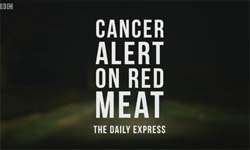
Dr Michael Mosley seeks to establish the truth about meat. Are those barbecue favourites like burgers and sausages really that bad? Should we all go vegetarian instead?
- TV-Recordings
- No subtitles
- 60
Dr Michael Mosley seeks to establish the truth about meat. Are those barbecue favourites like burgers and sausages really that bad? Should we all go vegetarian instead?
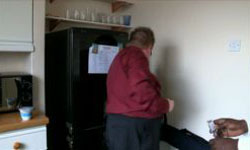
A day in the life of the NHS. Looking at the UK's single biggest killer, heart disease.
- TV-Recordings
- Medical Sciences
- TV-Recordings
- No subtitles
- 60
A day in the life of the NHS. Looking at the UK's single biggest killer, heart disease.

Exploring early attempts to tackle infection and how we used microbes to fight back.
- TV-Recordings
- Medical Sciences
- English subtitles
- 60
Exploring early attempts to tackle infection and how we used microbes to fight back.
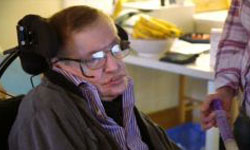
The world's most famous living scientist talks exclusively about the NHS, which, he believes, is the reason he has survived for more than 50 years since he was diagnosed with motor neurone disease and given two to three years to live. And he warns against allowing commercial interests to privatise it.
- TV-Recordings
- Politics & Public Policy
- English subtitles
- 2
The world's most famous living scientist talks exclusively about the NHS, which, he believes, is the reason he has survived for more than 50 years since he was diagnosed with motor neurone disease and given two to three years to live. And he warns against allowing commercial interests to privatise it.

Stephanie Flanders, former BBC economics editor, has a very personal interest in the battle to beat polio. Her father, Michael Flanders, one half of the world-famous singing duo of the 50s and 60s, Flanders and Swann, was paralysed by the infection when he was 21. He used a wheelchair for the rest of his life, and died early at 53 through complications caused by the disease. Stephanie was just six.
- TV-Recordings
- Medical Sciences
- English subtitles
- 60
Stephanie Flanders, former BBC economics editor, has a very personal interest in the battle to beat polio. Her father, Michael Flanders, one half of the world-famous singing duo of the 50s and 60s, Flanders and Swann, was paralysed by the infection when he was 21. He used a wheelchair for the rest of his life, and died early at 53 through complications caused by the disease. Stephanie was just six.

This final episode tells the story of how yoghurt has been transformed from an unknown hippy food into a super food in 40 years. Along the way, yoghurt has driven a health revolution in the modern food business.
- TV-Recordings
- Business & Management
- TV-Recordings
- English subtitles
- 60
This final episode tells the story of how yoghurt has been transformed from an unknown hippy food into a super food in 40 years. Along the way, yoghurt has driven a health revolution in the modern food business.

-
The Men Who Made Us Fat
-
BBC
Around the world, obesity levels are rising. More people are now overweight than undernourished. Jacques Peretti traces those responsible for revolutionising our eating habits
- TV-Recordings
- No subtitles
- No
Around the world, obesity levels are rising. More people are now overweight than undernourished. Jacques Peretti traces those responsible for revolutionising our eating habits

Around the world, obesity levels are rising. More people are now overweight than undernourished. Two thirds of British adults are overweight and one in four of us is classified as obese.
- TV-Recordings
- Medical Sciences
- TV-Recordings
- No subtitles
- 60
Around the world, obesity levels are rising. More people are now overweight than undernourished. Two thirds of British adults are overweight and one in four of us is classified as obese.

Jacques Peretti investigates how the concept of 'supersizing' changed our eating habits forever. How did we - once a nation of moderate eaters - start to want more?
- TV-Recordings
- Medical Sciences
- TV-Recordings
- No subtitles
- 60
Jacques Peretti investigates how the concept of 'supersizing' changed our eating habits forever. How did we - once a nation of moderate eaters - start to want more?

Jacques Peretti examines assumptions about what is and is not healthy. He also looks at how product marketing can seduce consumers into buying supposed 'healthy foods' such as muesli and juices, both of which can be high in sugar.
- TV-Recordings
- Medical Sciences
- TV-Recordings
- No subtitles
- 60
Jacques Peretti examines assumptions about what is and is not healthy. He also looks at how product marketing can seduce consumers into buying supposed 'healthy foods' such as muesli and juices, both of which can be high in sugar.

In the 2013 Richard Dimbleby Lecture, one of the world's greatest entrepreneurs and leading philanthropists, Bill Gates, explains his optimism for a world free of the debilitating disease, polio. He explains why he is devoting so much of his time, money and influence to eradicating polio, and how we can all help to finish the job.
- TV-Recordings
- Medical Sciences
- TV-Recordings
- No subtitles
- 50
In the 2013 Richard Dimbleby Lecture, one of the world's greatest entrepreneurs and leading philanthropists, Bill Gates, explains his optimism for a world free of the debilitating disease, polio. He explains why he is devoting so much of his time, money and influence to eradicating polio, and how we can all help to finish the job.