
-
Human Planet
-
BBC
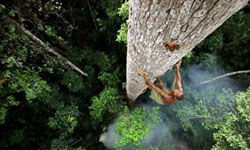
Human Planet, a cinematic experience, bringing you the most amazing human stories in the world today. Humans and wildlife surviving in the most extreme environments on Earth.
- TV-Recordings
- No subtitles
- 980
Human Planet, a cinematic experience, bringing you the most amazing human stories in the world today. Humans and wildlife surviving in the most extreme environments on Earth.
The Arctic is the harshest environment on Earth: little food grows, it\'s dark for months on end, and temperatures stay well below freezing for much of the year. Yet four million people manage to survive here.
- TV-Recordings
- Geography
- TV-Recordings
- No subtitles
- 60
The Arctic is the harshest environment on Earth: little food grows, it\'s dark for months on end, and temperatures stay well below freezing for much of the year. Yet four million people manage to survive here.
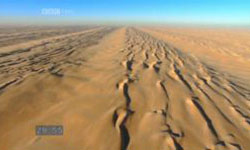
A total of 10 stories from across the Human Planet series, closely linked to the KS2 Geography curriculum, look at how humans have learnt to live with extremes, and explore how people across the globe live with extreme cold; live in desert environments without water; and how they live in mountain regions facing daily hazards.
- TV-Recordings
- Geography
- TV-Recordings
- No subtitles
- 60
A total of 10 stories from across the Human Planet series, closely linked to the KS2 Geography curriculum, look at how humans have learnt to live with extremes, and explore how people across the globe live with extreme cold; live in desert environments without water; and how they live in mountain regions facing daily hazards.

A look at the one environment that\'s been made by us for us - the city. Over half of the world\'s population now lives in the urban jungle. The city is built to keep untamed nature out - but nature can\'t be pushed away. From bed bugs sucking our blood at night to rats in our restaurants, many animals have adapted to a life with us.
- TV-Recordings
- Built Environment & Architecture
- TV-Recordings
- No subtitles
- 60
A look at the one environment that\'s been made by us for us - the city. Over half of the world\'s population now lives in the urban jungle. The city is built to keep untamed nature out - but nature can\'t be pushed away. From bed bugs sucking our blood at night to rats in our restaurants, many animals have adapted to a life with us.
We can survive for weeks without food, but only days without water: it is the essential element of life. Yet many millions of us live in parched deserts around the world. In the second episode of Human Planet, we discover how the eternal quest for water brings huge challenges - and ingenious solutions - in the driest places on Earth.
- TV-Recordings
- Environmental Studies
- Other
- TV-Recordings
- No subtitles
- 60
We can survive for weeks without food, but only days without water: it is the essential element of life. Yet many millions of us live in parched deserts around the world. In the second episode of Human Planet, we discover how the eternal quest for water brings huge challenges - and ingenious solutions - in the driest places on Earth.
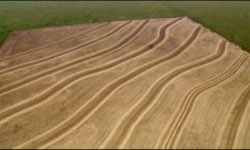
Grasslands feed the world. Over thousands of years, we humans have learned to grow grains on the grasslands and domesticate the creatures that live there. Our success has propelled our population to almost seven billion people.
- TV-Recordings
- Environmental Studies
- Other
- TV-Recordings
- No subtitles
- 60
Grasslands feed the world. Over thousands of years, we humans have learned to grow grains on the grasslands and domesticate the creatures that live there. Our success has propelled our population to almost seven billion people.
The rainforest is home to more species of plants and animals than any other habitat on the planet. But for humans, life there is not as easy as it looks. Life in the trees requires great skill, ingenuity and sheer bravery.
- TV-Recordings
- Environmental Studies
- Other
- TV-Recordings
- No subtitles
- 60
The rainforest is home to more species of plants and animals than any other habitat on the planet. But for humans, life there is not as easy as it looks. Life in the trees requires great skill, ingenuity and sheer bravery.
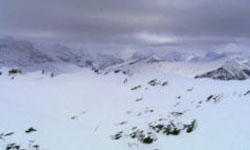
From lush cloud forests to bare summits that take your breath away, the higher you climb the tougher life gets on a mountain. Human Planet explores the extraordinary ways in which people survive at extreme altitudes where nature becomes utterly unforgiving.
- TV-Recordings
- Geography
- TV-Recordings
- No subtitles
- 60
From lush cloud forests to bare summits that take your breath away, the higher you climb the tougher life gets on a mountain. Human Planet explores the extraordinary ways in which people survive at extreme altitudes where nature becomes utterly unforgiving.

As an air-breathing animal, the human is not built to survive in water. But people have found ways to live an almost aquatic life so they can exploit the sea\'s riches.
- TV-Recordings
- Geography
- TV-Recordings
- No subtitles
- 60
As an air-breathing animal, the human is not built to survive in water. But people have found ways to live an almost aquatic life so they can exploit the sea\'s riches.

Rivers provide the essentials of life: fresh food and water. They often provide natural highways and enable us to live in just about every environment on Earth. But rivers can also flood, freeze or disappear altogether!
- TV-Recordings
- Environmental Studies
- TV-Recordings
- No subtitles
- 60
Rivers provide the essentials of life: fresh food and water. They often provide natural highways and enable us to live in just about every environment on Earth. But rivers can also flood, freeze or disappear altogether!

-
Japan's Tsunami: Caught on Camera
-
Channel 4
Japan's Tsunami: Caught on Camera captures the impact of the earthquake and tsunami that devastated Japan in March 2011, using amateur footage filmed by those caught up in the disaster.
- TV-Recordings
- Environmental Studies
- Geography
- TV-Recordings
- No subtitles
- 60
Japan's Tsunami: Caught on Camera captures the impact of the earthquake and tsunami that devastated Japan in March 2011, using amateur footage filmed by those caught up in the disaster.

-
Japan's Tsunami: How It Happened
-
Channel 4
The science behind the earthquake and tsunami that have devastated Japan
- TV-Recordings
- Geography
- Geology
- TV-Recordings
- No subtitles
- 48
The science behind the earthquake and tsunami that have devastated Japan
-
Kevin McCloud: Slumming It
-
Channel 4
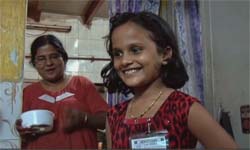
Kevin McCloud travels to Mumbai to explore one of the biggest slums in Asia and spends time living among its one million residents.
- TV-Recordings
- Geography
- TV-Recordings
- No subtitles
- 48
Kevin McCloud travels to Mumbai to explore one of the biggest slums in Asia and spends time living among its one million residents.
-
Krakatoa Revealed
-
Nick Petford
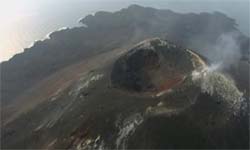
Documentary, featuring specially commissioned research, which reveals for the first time what really happened during the eruption of the volcanic island Krakatoa in 1883
- TV-Recordings
- Geography
- History
- TV-Recordings
- No subtitles
- 11
Documentary, featuring specially commissioned research, which reveals for the first time what really happened during the eruption of the volcanic island Krakatoa in 1883
In a series about the extraordinary stories behind maps, Professor Jerry Brotton uncovers how maps aren\'t simply about getting from A to B but are revealing snapshots of defining moments in history and tools of political power and persuasion.
- TV-Recordings
- Geography
- TV-Recordings
- No subtitles
- 58
In a series about the extraordinary stories behind maps, Professor Jerry Brotton uncovers how maps aren\'t simply about getting from A to B but are revealing snapshots of defining moments in history and tools of political power and persuasion.

Jerry Brotton shows how maps can reveal the fears, obsessions and prejudices of their age.
- TV-Recordings
- Geography
- TV-Recordings
- No subtitles
- 58
Jerry Brotton shows how maps can reveal the fears, obsessions and prejudices of their age.

In the last of a three-part series about the extraordinary stories behind maps, Professor Jerry Brotton uncovers how maps are snapshots of a moment in history and offer visions of distant lands, tempting explorers to plunder and conquer.
- TV-Recordings
- Geography
- TV-Recordings
- No subtitles
- 60
In the last of a three-part series about the extraordinary stories behind maps, Professor Jerry Brotton uncovers how maps are snapshots of a moment in history and offer visions of distant lands, tempting explorers to plunder and conquer.
-
Maps: Power, Plunder and Possession
-
BBC
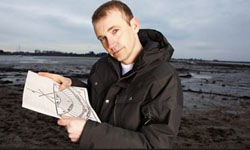
Map expert Professor Jerry Brotton uncovers how maps aren't simply about getting from A to B, but are revealing snapshots of defining moments in history and tools of political power and persuasion.
- TV-Recordings
- No subtitles
- 180
Map expert Professor Jerry Brotton uncovers how maps aren't simply about getting from A to B, but are revealing snapshots of defining moments in history and tools of political power and persuasion.
Iain finds out how gung-ho geologist Edward Bailey discovered Scotland was once home to super volcanoes. And how unsung hero Arthur Holmes solved the mystery of what makes continents move across the surface of the globe.
- TV-Recordings
- Geography
- Geology
- TV-Recordings
- No subtitles
- 60
Iain finds out how gung-ho geologist Edward Bailey discovered Scotland was once home to super volcanoes. And how unsung hero Arthur Holmes solved the mystery of what makes continents move across the surface of the globe.
In the final episode, Iain finds out about daredevil scientist Louis Agassiz, who first imagined the world had been gripped by an ice age. Plus, the story of humble janitor James Croll, who used the planets to work out the natural rhythms of the earth\'s climate.
- TV-Recordings
- Geography
- Geology
- TV-Recordings
- No subtitles
- 60
In the final episode, Iain finds out about daredevil scientist Louis Agassiz, who first imagined the world had been gripped by an ice age. Plus, the story of humble janitor James Croll, who used the planets to work out the natural rhythms of the earth\'s climate.
-
Michael Palin's New Europe
-
Michael Palin
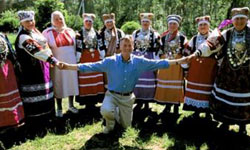
Michael Palin explores European countries that were once behind the Iron Curtain
- TV-Recordings
- No subtitles
- 180
Michael Palin explores European countries that were once behind the Iron Curtain

-
Michael Palin's New Europe - Eastern Delight
-
Michael Palin
Michael makes a remarkable visit to Göreme, where the rocks have been carved to form homes and some of the most remarkable churches of the early Christian era. Leaving the Cappodocia region by balloon, he sails east towards the borders of the New Europe, which if Turkey were to join the European Union would include Iran, Iraq and Syria
- TV-Recordings
- Art & Design
- Built Environment & Architecture
- TV-Recordings
- No subtitles
- 59
Michael makes a remarkable visit to Göreme, where the rocks have been carved to form homes and some of the most remarkable churches of the early Christian era. Leaving the Cappodocia region by balloon, he sails east towards the borders of the New Europe, which if Turkey were to join the European Union would include Iran, Iraq and Syria

-
Michael Palin's New Europe - Journey's End
-
Michael Palin
High in the Tatra mountains of Slovakia, Michael skins a pig, and learns how to make sausages. He then departs to Brno to visit Tibor Turba's famous mime school, where he is asked to mime a cockerel. Travelling in a DC3, used during the Berlin airlift, he visits the island of Rugen, built by Hitler for his KDF ('Strength through Joy') programme.
- TV-Recordings
- Geography
- Travel
- TV-Recordings
- No subtitles
- 59
High in the Tatra mountains of Slovakia, Michael skins a pig, and learns how to make sausages. He then departs to Brno to visit Tibor Turba's famous mime school, where he is asked to mime a cockerel. Travelling in a DC3, used during the Berlin airlift, he visits the island of Rugen, built by Hitler for his KDF ('Strength through Joy') programme.
-
Michael Palin's New Europe - Wild East
-
Michael Palin
Michael travels from Transdniester, a breakaway state from the Republic of Moldova, to the Vaser Valley in Romania, where he joins 80 lumberjacks as they board a wood-fired steam train. He finally ends up at Bran Castle in Transylvania, the ancestral home of Vlad the Impaler and alleged home of Bram Stoker's Dracula
- TV-Recordings
- Art & Design
- Built Environment & Architecture
- TV-Recordings
- No subtitles
- 59
Michael travels from Transdniester, a breakaway state from the Republic of Moldova, to the Vaser Valley in Romania, where he joins 80 lumberjacks as they board a wood-fired steam train. He finally ends up at Bran Castle in Transylvania, the ancestral home of Vlad the Impaler and alleged home of Bram Stoker's Dracula
-
Michael Wood: The Story of India
-
Jeremy Jeffs
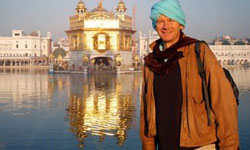
Michael Wood journeys through the Indian subcontinent, tracing the incredible richness and diversity of its peoples, cultures and landscapes.
- TV-Recordings
- No subtitles
- 380
Michael Wood journeys through the Indian subcontinent, tracing the incredible richness and diversity of its peoples, cultures and landscapes.

Michael Wood journeys through the subcontinent, tracing the incredible richness and diversity of its peoples, cultures and landscapes. Through ancient manuscripts and oral tales Michael charts the first human migrations out of Africa. He travels from the tropical backwaters of South India through lost ancient cities in Pakistan to the vibrant landscapes of the Ganges plain.
- TV-Recordings
- History
- TV-Recordings
- No subtitles
- 60
Michael Wood journeys through the subcontinent, tracing the incredible richness and diversity of its peoples, cultures and landscapes. Through ancient manuscripts and oral tales Michael charts the first human migrations out of Africa. He travels from the tropical backwaters of South India through lost ancient cities in Pakistan to the vibrant landscapes of the Ganges plain.
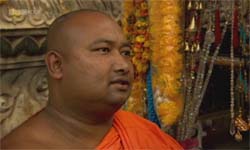
Michael Wood's epic series moves on to the revolutionary years after 500BC - the Age of the Buddha. Travelling by rail to the ancient cities of the Ganges plain, by army convoy through northern Iraq and on down the Khyber Pass, he shows how Alexander the Great's invasion of India inspired her first empire.
- TV-Recordings
- History
- TV-Recordings
- No subtitles
- 60
Michael Wood's epic series moves on to the revolutionary years after 500BC - the Age of the Buddha. Travelling by rail to the ancient cities of the Ganges plain, by army convoy through northern Iraq and on down the Khyber Pass, he shows how Alexander the Great's invasion of India inspired her first empire.
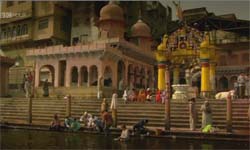
Michael Wood traces India in the days of the Roman Empire. In Kerala the spice trade opened India to the world, whilst gold and silk bazaars in the ancient city of Madurai were a delight for visiting Greek traders. From the deserts of Turkmenistan, Michael travels down the Khyber Pass to Pakistan to discover a forgotten Indian Empire that opened up the Silk Road and at Peshawar built a lost Wonder of the World.
- TV-Recordings
- History
- TV-Recordings
- No subtitles
- 60
Michael Wood traces India in the days of the Roman Empire. In Kerala the spice trade opened India to the world, whilst gold and silk bazaars in the ancient city of Madurai were a delight for visiting Greek traders. From the deserts of Turkmenistan, Michael travels down the Khyber Pass to Pakistan to discover a forgotten Indian Empire that opened up the Silk Road and at Peshawar built a lost Wonder of the World.

Reaching the time of the Fall of Rome in the West, Michael Wood seeks out the amazing achievements of India's golden age. We learn how India discovered zero, calculated the circumference of the earth and wrote the world's first sex guide, the Kama Sutra.
- TV-Recordings
- History
- TV-Recordings
- No subtitles
- 60
Reaching the time of the Fall of Rome in the West, Michael Wood seeks out the amazing achievements of India's golden age. We learn how India discovered zero, calculated the circumference of the earth and wrote the world's first sex guide, the Kama Sutra.
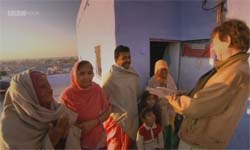
Michael Wood charts the coming of Islam to the subcontinent and one of the greatest ages of world civilisation: the Mughals. Michael visits Sufi shrines in Old Delhi, desert fortresses in Rajasthan and the cities of Lahore and Agra, where he offers a new theory on the design of the Taj Mahal.
- TV-Recordings
- History
- TV-Recordings
- No subtitles
- 60
Michael Wood charts the coming of Islam to the subcontinent and one of the greatest ages of world civilisation: the Mughals. Michael visits Sufi shrines in Old Delhi, desert fortresses in Rajasthan and the cities of Lahore and Agra, where he offers a new theory on the design of the Taj Mahal.