
-
Revelations - How to Find God
-
Channel Four
Author and filmmaker Jon Ronson asks, how do agnostics come to Christianity?
- TV-Recordings
- Other
- Religion
- TV-Recordings
- English subtitles
- 48
Author and filmmaker Jon Ronson asks, how do agnostics come to Christianity?

How modern Britain is still defined by the battle between Cavaliers (panache, pleasure and individuality) and Roundheads (modesty, discipline, equality, and state intervention).
- TV-Recordings
- Politics & Public Policy
- TV-Recordings
- No subtitles
- 60
How modern Britain is still defined by the battle between Cavaliers (panache, pleasure and individuality) and Roundheads (modesty, discipline, equality, and state intervention).

Bafta-winning director Morgan Matthews's landmark film exploring the impact of teenage killings on families and communities across Britain, an emotional journey that chronicles every teenager who died as a result of violence in 2009 in the UK.
- TV-Recordings
- Humanities
- Other
- TV-Recordings
- English subtitles
- 120
Bafta-winning director Morgan Matthews's landmark film exploring the impact of teenage killings on families and communities across Britain, an emotional journey that chronicles every teenager who died as a result of violence in 2009 in the UK.
-
Science Britannica
-
BBC
Professor Brian Cox introduces Britain's science heroes.
- TV-Recordings
- English subtitles
- 180
Professor Brian Cox introduces Britain's science heroes.

-
Science Britannica - Episode 1 : Frankenstein's Monsters
-
Professor Brian Cox
Professor Brian Cox guides viewers through 350 years of British science to reveal what science really is, who the people are who practise it, and how it is inextricably linked to the past, present and future of each and every one of us.
- TV-Recordings
- General Science
- English subtitles
- 60
Professor Brian Cox guides viewers through 350 years of British science to reveal what science really is, who the people are who practise it, and how it is inextricably linked to the past, present and future of each and every one of us.

-
Science Britannica - Episode 2 : Method and Madness
-
Professor Brian Cox
This time, Professor Cox celebrates Britain's pivotal role in creating modern science. From performing Isaac Newton's iconic light experiment to meeting a wartime code breaker and making hydrogen explosions, Professor Cox leads the way through 300 years of British history.
- TV-Recordings
- General Science
- English subtitles
- 60
This time, Professor Cox celebrates Britain's pivotal role in creating modern science. From performing Isaac Newton's iconic light experiment to meeting a wartime code breaker and making hydrogen explosions, Professor Cox leads the way through 300 years of British history.

Professor Brian Cox ends his homage to British Science by looking at how discoveries are made, asking whether it is better to let the scientists do their own thing, and hope for happy accidents, or to only back scientific winners at the risk of missing the occasional gems
- TV-Recordings
- General Science
- English subtitles
- 60
Professor Brian Cox ends his homage to British Science by looking at how discoveries are made, asking whether it is better to let the scientists do their own thing, and hope for happy accidents, or to only back scientific winners at the risk of missing the occasional gems

As the debate over Scottish independence hots up, Robert Peston asks the big question which is at the heart of it: would Scotland be richer or poorer as an independent nation?
- TV-Recordings
- Politics & Public Policy
- No subtitles
- 60
As the debate over Scottish independence hots up, Robert Peston asks the big question which is at the heart of it: would Scotland be richer or poorer as an independent nation?

-
Seven Ages of Britain
-
Channel 4
Bettany Hughes explores the history of Britain from a fresh perspective: through the lives and aspirations of the ordinary citizens
- TV-Recordings
- No subtitles
- 300
Bettany Hughes explores the history of Britain from a fresh perspective: through the lives and aspirations of the ordinary citizens
David Dimbleby tells the story of Britain through its art and treasure. The first part of the chronicle begins with the Roman invasion and ends with the Norman Conquest.
- TV-Recordings
- Art & Design
- History
- TV-Recordings
- English subtitles
- 58
David Dimbleby tells the story of Britain through its art and treasure. The first part of the chronicle begins with the Roman invasion and ends with the Norman Conquest.
Britain's art from the murder of Thomas Becket in 1170 to the death of Richard II in 1400.
- TV-Recordings
- Art & Design
- History
- TV-Recordings
- English subtitles
- 58
Britain's art from the murder of Thomas Becket in 1170 to the death of Richard II in 1400.
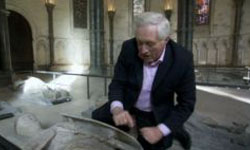
Spanning from Henry VIII's accession in 1509 to Shakespeare's Henry VIII 100 years later.
- TV-Recordings
- Art & Design
- History
- TV-Recordings
- English subtitles
- 58
Spanning from Henry VIII's accession in 1509 to Shakespeare's Henry VIII 100 years later.

In the 17th century British people learned to question everything, resulting in civil war.
- TV-Recordings
- Art & Design
- History
- TV-Recordings
- English subtitles
- 58
In the 17th century British people learned to question everything, resulting in civil war.
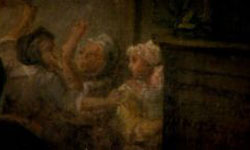
The story of Britain in the 18th century, as a new 'middle' class emerged.
- TV-Recordings
- Art & Design
- History
- TV-Recordings
- English subtitles
- 58
The story of Britain in the 18th century, as a new 'middle' class emerged.
The story of the British Empire from 1750 to 1900, revealed through its art and treasures.
- TV-Recordings
- Art & Design
- History
- TV-Recordings
- English subtitles
- 58
The story of the British Empire from 1750 to 1900, revealed through its art and treasures.

In the last episode, David Dimbleby looks at how the 20th century saw ordinary Britons upturning ancient power structures and class hierarchies.
- TV-Recordings
- Art & Design
- History
- TV-Recordings
- English subtitles
- 58
In the last episode, David Dimbleby looks at how the 20th century saw ordinary Britons upturning ancient power structures and class hierarchies.
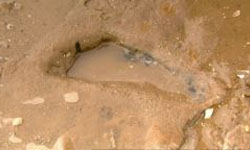
Bettany Hughes provides an insight into how British inhabitants evolved over 8,000 years, beginning with the story of man's battle with the environment in 6,000 BC, when global warming transformed Britain into an island covered by dense, impenetrable forests.
- TV-Recordings
- History
- TV-Recordings
- English subtitles
- 60
Bettany Hughes provides an insight into how British inhabitants evolved over 8,000 years, beginning with the story of man's battle with the environment in 6,000 BC, when global warming transformed Britain into an island covered by dense, impenetrable forests.

Sweeping changes transformed the lives of the masses beyond recognition during the Bronze and Iron Ages.
- TV-Recordings
- History
- TV-Recordings
- English subtitles
- 60
Sweeping changes transformed the lives of the masses beyond recognition during the Bronze and Iron Ages.

The gradual collapse of the Roman Empire led to the disintegration of Britannia. For the next 600 years people would watch their homelands become battlegrounds invaded and plundered by men from Scandinavia and northern Europe, hungry for power and land.
- TV-Recordings
- History
- TV-Recordings
- English subtitles
- 60
The gradual collapse of the Roman Empire led to the disintegration of Britannia. For the next 600 years people would watch their homelands become battlegrounds invaded and plundered by men from Scandinavia and northern Europe, hungry for power and land.

Bettany Hughes considers the fifth age of Britain, from 1066 to 1350, charting the period between two shattering historical events - the invasion of William the Conqueror and the Black Death.
- TV-Recordings
- History
- TV-Recordings
- English subtitles
- 60
Bettany Hughes considers the fifth age of Britain, from 1066 to 1350, charting the period between two shattering historical events - the invasion of William the Conqueror and the Black Death.
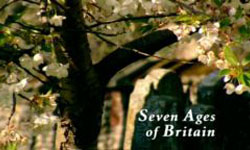
The penultimate programme in the series follows the course of the greatest revolution in British history: a revolution of the mind.
- TV-Recordings
- History
- TV-Recordings
- English subtitles
- 60
The penultimate programme in the series follows the course of the greatest revolution in British history: a revolution of the mind.
-
Seven Wonders of the Industrial World - Episode 05: The Sewer King
-
Edward Bazalgette
In the summer of 1858, while the Great Eastern was being fitted out for her maiden voyage, London was in the grip of a crisis known as the 'Great Stink'. The population had grown rapidly during the first half of the 19th century, yet there had been no provision for sanitation.
- TV-Recordings
- Engineering
- History
- TV-Recordings
- No subtitles
- 12
In the summer of 1858, while the Great Eastern was being fitted out for her maiden voyage, London was in the grip of a crisis known as the 'Great Stink'. The population had grown rapidly during the first half of the 19th century, yet there had been no provision for sanitation.
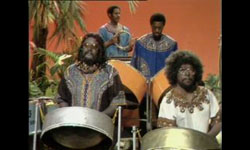
By the start of the 70s, the Windrush generation of immigrants who came to the UK from the Caribbean and West Indies were an established part of the British population and their influence and culture permeated UK society.
- TV-Recordings
- Music
- Other
- TV-Recordings
- No subtitles
- 28
By the start of the 70s, the Windrush generation of immigrants who came to the UK from the Caribbean and West Indies were an established part of the British population and their influence and culture permeated UK society.
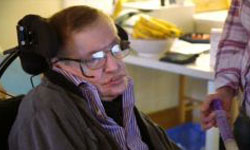
The world's most famous living scientist talks exclusively about the NHS, which, he believes, is the reason he has survived for more than 50 years since he was diagnosed with motor neurone disease and given two to three years to live. And he warns against allowing commercial interests to privatise it.
- TV-Recordings
- Politics & Public Policy
- English subtitles
- 2
The world's most famous living scientist talks exclusively about the NHS, which, he believes, is the reason he has survived for more than 50 years since he was diagnosed with motor neurone disease and given two to three years to live. And he warns against allowing commercial interests to privatise it.
This documentary uses archive footage and the recollections of an eclectic mix of key players from both camps to revisit a crucial period in Britain's social history: the miner's strike of 1984.
- TV-Recordings
- History
- TV-Recordings
- English subtitles
- 100
This documentary uses archive footage and the recollections of an eclectic mix of key players from both camps to revisit a crucial period in Britain's social history: the miner's strike of 1984.

-
Suffragettes Forever ! The Story of Women and Power
-
Amanda Vickery
Historian Amanda Vickery uncovers the 300 year-long campaign by women for political and sex equality in Britain, revealing the largely forgotten heroines (and a few heroes) who fought for the cause.
- TV-Recordings
- English subtitles
- 180
Historian Amanda Vickery uncovers the 300 year-long campaign by women for political and sex equality in Britain, revealing the largely forgotten heroines (and a few heroes) who fought for the cause.
Historian Amanda Vickery uncovers the 300 year-long campaign by women for political and sex equality in Britain, revealing the largely forgotten heroines (and a few heroes) who fought for the cause.
- TV-Recordings
- History
- English subtitles
- 60
Historian Amanda Vickery uncovers the 300 year-long campaign by women for political and sex equality in Britain, revealing the largely forgotten heroines (and a few heroes) who fought for the cause.
In this second programme Amanda Vickery describes the paradox for British women of a female queen who thought women's rights campaigners deserved a good whipping. But during Victoria's reign extraordinary women gradually changed the lives and opportunities of their sex, despite successive governments furiously resisting giving women the vote.
- TV-Recordings
- History
- English subtitles
- 60
In this second programme Amanda Vickery describes the paradox for British women of a female queen who thought women's rights campaigners deserved a good whipping. But during Victoria's reign extraordinary women gradually changed the lives and opportunities of their sex, despite successive governments furiously resisting giving women the vote.
In the final episode of her story of British women's fight for power, the historian Amanda Vickery explores how the Edwardian suffragette movement became a quasi-terrorist organisation. She asks what they achieved with their violent campaign and argues they are best understood as part of a war still going on today.
- TV-Recordings
- History
- English subtitles
- 60
In the final episode of her story of British women's fight for power, the historian Amanda Vickery explores how the Edwardian suffragette movement became a quasi-terrorist organisation. She asks what they achieved with their violent campaign and argues they are best understood as part of a war still going on today.

With the Moogs turned up to 11, a 1970s and 80s journey through the BBC's synthpop archives from Roxy Music and Tubeway Army to New Order and Sparks.
- TV-Recordings
- English subtitles
- 60
With the Moogs turned up to 11, a 1970s and 80s journey through the BBC's synthpop archives from Roxy Music and Tubeway Army to New Order and Sparks.