
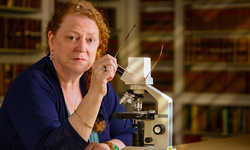
A 'heist' has been staged in the Royal Institution. Can forensic evidence identify and convict the individual responsible? Includes insights from real criminal investigations.
- TV-Recordings
- English subtitles
- 60
A 'heist' has been staged in the Royal Institution. Can forensic evidence identify and convict the individual responsible? Includes insights from real criminal investigations.
-
Royal Institution Christmas Lectures 2024
-
BBC
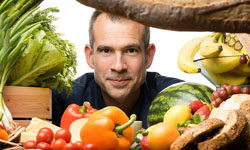
Dr Chris van Tulleken explores the incredible science of food - from its journey through our bodies, to how it gives us energy, to ultra-processed food
- TV-Recordings
- English subtitles
- 177
Dr Chris van Tulleken explores the incredible science of food - from its journey through our bodies, to how it gives us energy, to ultra-processed food
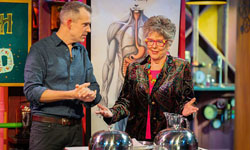
Dr Chris van Tulleken is joined by leading experts, including his twin brother Xand, to explore the incredible journey food takes through our bodies.
- TV-Recordings
- English subtitles
- 59
Dr Chris van Tulleken is joined by leading experts, including his twin brother Xand, to explore the incredible journey food takes through our bodies.

Using some explosive experiments, Dr Chris van Tulleken reveals how our food not only provides us with energy, but also the construction we need to constantly rebuild our bodies.
- TV-Recordings
- English subtitles
- 59
Using some explosive experiments, Dr Chris van Tulleken reveals how our food not only provides us with energy, but also the construction we need to constantly rebuild our bodies.
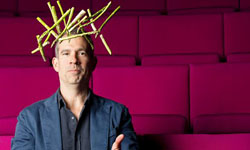
Dr Chris van Tulleken investigates how we have hacked our food system to create an amazing array of things to eat, but also some serious problems to solve.
- TV-Recordings
- English subtitles
- 59
Dr Chris van Tulleken investigates how we have hacked our food system to create an amazing array of things to eat, but also some serious problems to solve.

There is a battle playing out inside your body right now. It started billions of years ago and it is still being fought in every one of us every minute of every day. It is the story of a viral infection - the battle for the cell.
- TV-Recordings
- Biology
- Genetics
- TV-Recordings
- No subtitles
- 60
There is a battle playing out inside your body right now. It started billions of years ago and it is still being fought in every one of us every minute of every day. It is the story of a viral infection - the battle for the cell.
-
Secrets of Bones
-
BBC 4
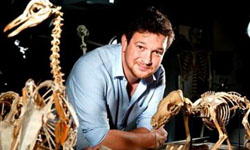
Evolutionary biologist and master skeleton builder Ben Garrod presents a six-part series looking at how bones have enabled vertebrates to colonise and dominate practically every habitat on Earth.
- TV-Recordings
- English subtitles
- 180
Evolutionary biologist and master skeleton builder Ben Garrod presents a six-part series looking at how bones have enabled vertebrates to colonise and dominate practically every habitat on Earth.

Evolutionary biologist and master skeleton builder Ben Garrod begins a six-part journey to discover how bones have enabled vertebrates to colonise and dominate practically every habitat on Earth
- TV-Recordings
- Medical Sciences
- English subtitles
- 30
Evolutionary biologist and master skeleton builder Ben Garrod begins a six-part journey to discover how bones have enabled vertebrates to colonise and dominate practically every habitat on Earth
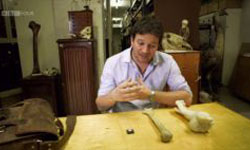
Evolutionary biologist and master skeleton builder Ben Garrod discovers how the skeleton has adapted for vertebrates to move on land in a remarkable number of ways.
- TV-Recordings
- Biology
- English subtitles
- 30
Evolutionary biologist and master skeleton builder Ben Garrod discovers how the skeleton has adapted for vertebrates to move on land in a remarkable number of ways.
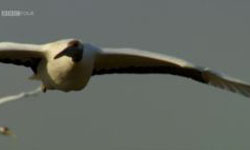
Ben Garrod finds out how the skeleton has allowed vertebrates to do the most remarkable thing of all - take to the air.
- TV-Recordings
- Biology
- English subtitles
- 30
Ben Garrod finds out how the skeleton has allowed vertebrates to do the most remarkable thing of all - take to the air.
Ben Garrod delves into the surprising ways in which bone has evolved to help vertebrates sense the world around them. He reveals why predators like the wolf have eyes at the front of their skull whereas prey animals such as sheep usually have eye sockets on the side of their heads.
- TV-Recordings
- Biology
- English subtitles
- 30
Ben Garrod delves into the surprising ways in which bone has evolved to help vertebrates sense the world around them. He reveals why predators like the wolf have eyes at the front of their skull whereas prey animals such as sheep usually have eye sockets on the side of their heads.
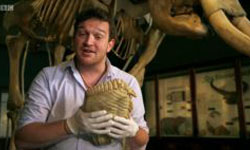
Ben Garrod uncovers the secrets of how vertebrates capture and devour their food using extreme jaws, bizarre teeth and specialized bony tools. He takes a cherry picker up a giant sperm whale's jaw, finds out which animal has teeth weighing five kilos each and which uses its skull as a suction pump.
- TV-Recordings
- Biology
- No subtitles
- 30
Ben Garrod uncovers the secrets of how vertebrates capture and devour their food using extreme jaws, bizarre teeth and specialized bony tools. He takes a cherry picker up a giant sperm whale's jaw, finds out which animal has teeth weighing five kilos each and which uses its skull as a suction pump.
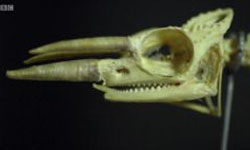
Ben Garrod seeks out the big part that bones can play in reproduction. Through sexual selection, the skeleton has adapted to aid courtship, competition and even copulation.
- TV-Recordings
- Biology
- No subtitles
- 30
Ben Garrod seeks out the big part that bones can play in reproduction. Through sexual selection, the skeleton has adapted to aid courtship, competition and even copulation.

-
Secrets of our Living Planet
-
BBC
A groundbreaking, global nature series with Chris Packham, Secrets of Our Living Planet showcases the incredible ecosystems that make life on Earth possible
- TV-Recordings
- No subtitles
- 240
A groundbreaking, global nature series with Chris Packham, Secrets of Our Living Planet showcases the incredible ecosystems that make life on Earth possible

Secrets of Our Living Planet showcases the incredible ecosystems that make life on Earth possible. Using beautifully shot scenes in the wild, Chris Packham reveals the hidden wonder of the creatures that we share the planet with, and the intricate, clever and bizarre connections between the species, without which life just could not survive.
- TV-Recordings
- Natural World
- TV-Recordings
- No subtitles
- 60
Secrets of Our Living Planet showcases the incredible ecosystems that make life on Earth possible. Using beautifully shot scenes in the wild, Chris Packham reveals the hidden wonder of the creatures that we share the planet with, and the intricate, clever and bizarre connections between the species, without which life just could not survive.
Secrets of Our Living Planet showcases the incredible ecosystems that make life on Earth possible. Using beautifully shot scenes from all over the world, Chris reveals the hidden wonder of the creatures that we share the planet with, and the intricate, clever and bizarre connections between the species, without which life just could not survive.
- TV-Recordings
- Biology
- TV-Recordings
- No subtitles
- 60
Secrets of Our Living Planet showcases the incredible ecosystems that make life on Earth possible. Using beautifully shot scenes from all over the world, Chris reveals the hidden wonder of the creatures that we share the planet with, and the intricate, clever and bizarre connections between the species, without which life just could not survive.

Secrets of Our Living Planet showcases the incredible ecosystems that make life on Earth possible. Using beautifully shot scenes in the wild, Chris Packham reveals the hidden wonder of the creatures that we share the planet with, and the intricate, clever and bizarre connections between the species, without which life just could not survive
- TV-Recordings
- Biology
- TV-Recordings
- No subtitles
- 60
Secrets of Our Living Planet showcases the incredible ecosystems that make life on Earth possible. Using beautifully shot scenes in the wild, Chris Packham reveals the hidden wonder of the creatures that we share the planet with, and the intricate, clever and bizarre connections between the species, without which life just could not survive

Secrets of Our Living Planet showcases the incredible ecosystems that make life on Earth possible. Using beautifully shot scenes in the wild, Chris Packham reveals the hidden wonder of the creatures that we share the planet with, and the intricate, clever and bizarre connections between the species, without which life just could not survive.
- TV-Recordings
- Biology
- TV-Recordings
- No subtitles
- 60
Secrets of Our Living Planet showcases the incredible ecosystems that make life on Earth possible. Using beautifully shot scenes in the wild, Chris Packham reveals the hidden wonder of the creatures that we share the planet with, and the intricate, clever and bizarre connections between the species, without which life just could not survive.
-
Secrets of the Brain Part 1
-
Jim Al-Khalili
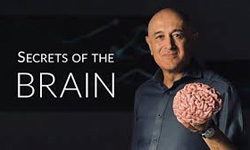
With some 100 billion neurons and over 100 trillion connections - more than all the stars in the Milky Way - the human brain is one of nature's greatest achievements. But how did something so incredibly sophisticated evolve from its simple beginnings?
- TV-Recordings
- English subtitles
- 59
With some 100 billion neurons and over 100 trillion connections - more than all the stars in the Milky Way - the human brain is one of nature's greatest achievements. But how did something so incredibly sophisticated evolve from its simple beginnings?

-
Secrets of the Brain Part 2
-
Jim Al-Khalili
From playing computer games with chimpanzees to studying modern relationships, Jim Al-Khalili investigates how the brain evolved and how it differs from AI.
- TV-Recordings
- English subtitles
- 59
From playing computer games with chimpanzees to studying modern relationships, Jim Al-Khalili investigates how the brain evolved and how it differs from AI.
Sex is a simple word for a very complex set of desires. It cuts to the core of our passions, our wants, our emotions. But when it goes wrong, it can be the most painful thing of all. Professor Alice Roberts looks through 45 years of Horizon archive to see how science came to understand sex, strived to solve our problems with it, and even help us to do it better. Can science save the day when sex goes wrong?
- TV-Recordings
- Biology
- English subtitles
- 60
Sex is a simple word for a very complex set of desires. It cuts to the core of our passions, our wants, our emotions. But when it goes wrong, it can be the most painful thing of all. Professor Alice Roberts looks through 45 years of Horizon archive to see how science came to understand sex, strived to solve our problems with it, and even help us to do it better. Can science save the day when sex goes wrong?

-
State of the Planet
-
David Attenborough
David Attenborough investigates arguably the most important issue of the 21st century - the future of life on Earth
- TV-Recordings
- No subtitles
- 180
David Attenborough investigates arguably the most important issue of the 21st century - the future of life on Earth
-
State of the Planet - 01
-
David Attenborough
David Attenborough investigates arguably the most important issue of the 21st century - the future of life on Earth
- TV-Recordings
- Biology
- Environmental Studies
- TV-Recordings
- No subtitles
- 58
David Attenborough investigates arguably the most important issue of the 21st century - the future of life on Earth

-
State of the Planet - 02
-
David Attenborough
David Attenborough investigates arguably the most important issue of the 21st century - the future of life on Earth
- TV-Recordings
- Biology
- Environmental Studies
- TV-Recordings
- No subtitles
- 58
David Attenborough investigates arguably the most important issue of the 21st century - the future of life on Earth

-
State of the Planet - 03
-
David Attenborough
David Attenborough investigates arguably the most important issue of the 21st century - the future of life on Earth
- TV-Recordings
- Biology
- Environmental Studies
- TV-Recordings
- No subtitles
- 58
David Attenborough investigates arguably the most important issue of the 21st century - the future of life on Earth
Documentary which unravels the story of notorious performing whale Tilikum, who - unlike any orca in the wild - has taken the lives of several people while in captivity. So what exactly went wrong?
- TV-Recordings
- Natural World
- English subtitles
- 80
Documentary which unravels the story of notorious performing whale Tilikum, who - unlike any orca in the wild - has taken the lives of several people while in captivity. So what exactly went wrong?
-
Storyville - The Gene Revolution
-
Adam Bolt
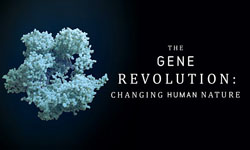
A Storyville documentary. The biggest tech revolution of the 21st century isn't digital, it's biological. What will CRISPR mean for human evolution?
- TV-Recordings
- English subtitles
- 86
A Storyville documentary. The biggest tech revolution of the 21st century isn't digital, it's biological. What will CRISPR mean for human evolution?
-
Survivors: Nature's Indestructible Creatures
-
Shaun Trevisick
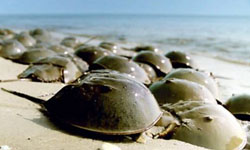
Professor Richard Fortey travels across the globe to find the survivors of mass extinction events
- TV-Recordings
- No subtitles
- 180
Professor Richard Fortey travels across the globe to find the survivors of mass extinction events
How some species survived the ice age that began 2.8 million years ago.
- TV-Recordings
- Environmental Studies
- Other
- TV-Recordings
- No subtitles
- 60
How some species survived the ice age that began 2.8 million years ago.

In episode two, Fortey focuses on the 'KT boundary'. 65 million years ago, a 10 km diameter asteroid collided with the Earth and saw the end of the long reign of the dinosaurs.
- TV-Recordings
- Environmental Studies
- Other
- TV-Recordings
- No subtitles
- 60
In episode two, Fortey focuses on the 'KT boundary'. 65 million years ago, a 10 km diameter asteroid collided with the Earth and saw the end of the long reign of the dinosaurs.