
This programme describes the investigation of weather systems found throughout the solar system. Scientists have discovered sulphuric acid rain and metallic snow on Venus, while space probes have revealed the arid surface and frozen seas of Mars and the mysteries of the gas giant, Saturn.
- TV-Recordings
- Astronomy
- TV-Recordings
- English subtitles
- 50
This programme describes the investigation of weather systems found throughout the solar system. Scientists have discovered sulphuric acid rain and metallic snow on Venus, while space probes have revealed the arid surface and frozen seas of Mars and the mysteries of the gas giant, Saturn.
The documentary series about the solar system examines how our understanding of the evolution of life on earth has changed, and explores the evidence for life on other planets. In 1976, two robotic probes suggested that the surface of Mars was dead. But the latest research reveals that this may not be the case and that it is possible that life on earth may have evolved from Mars.
- TV-Recordings
- Astronomy
- Biology
- TV-Recordings
- English subtitles
- 50
The documentary series about the solar system examines how our understanding of the evolution of life on earth has changed, and explores the evidence for life on other planets. In 1976, two robotic probes suggested that the surface of Mars was dead. But the latest research reveals that this may not be the case and that it is possible that life on earth may have evolved from Mars.

Documentary series tracing the exploration of our solar system. This programme looks at the fate of the solar system and explores the new planetary systems that are being found around nearby stars.
- TV-Recordings
- Astronomy
- TV-Recordings
- English subtitles
- 50
Documentary series tracing the exploration of our solar system. This programme looks at the fate of the solar system and explores the new planetary systems that are being found around nearby stars.

-
The Planets - Into the Darkness: Ice Worlds
-
Professor Brian Cox
In the final episode, Professor Brian Cox journeys to the remotest part of the solar system, a place that the most mysterious planets call home.
- TV-Recordings
- English subtitles
- 60
In the final episode, Professor Brian Cox journeys to the remotest part of the solar system, a place that the most mysterious planets call home.

-
The Planets - Life Beyond the Sun: Saturn
-
Professor Brian Cox
Professor Brian Cox reveals the history of Saturn. Saturn began life as a strange planet of rock and ice and in time transformed into a gas giant, ring-less and similar looking to its rival, Jupiter.
- TV-Recordings
- English subtitles
- 60
Professor Brian Cox reveals the history of Saturn. Saturn began life as a strange planet of rock and ice and in time transformed into a gas giant, ring-less and similar looking to its rival, Jupiter.

-
The Planets - The Godfather: Jupiter
-
Professor Brian Cox
Brian Cox continues his exploration of the solar system with a visit to a planet that dwarfs all the others: Jupiter. Its size gives it a great power that it has used to manipulate the other planets.
- TV-Recordings
- English subtitles
- 60
Brian Cox continues his exploration of the solar system with a visit to a planet that dwarfs all the others: Jupiter. Its size gives it a great power that it has used to manipulate the other planets.
-
The Planets - The Two Sisters - Earth & Mars
-
Professor Brian Cox
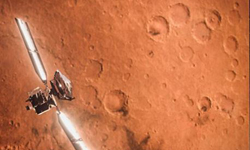
Professor Brian Cox continues his tour of the solar system revealing that it was once home to not one, but two blue planets.
- TV-Recordings
- English subtitles
- 60
Professor Brian Cox continues his tour of the solar system revealing that it was once home to not one, but two blue planets.
Documentary celebrating the 50th anniversary of the first satellite, Sputnik, which launched the space age in 1957. The film explores how satellites have affected almost every aspect of our lives, from spy satellites and GPS transforming the military to the communications revolution kickstarted by Telstar. But recent events in China have revealed just how vulnerable we might be, for they suggest we might be on the verge of another new age, one of satellite terrorism.
- TV-Recordings
- Engineering
- Politics & Public Policy
- TV-Recordings
- No subtitles
- 59
Documentary celebrating the 50th anniversary of the first satellite, Sputnik, which launched the space age in 1957. The film explores how satellites have affected almost every aspect of our lives, from spy satellites and GPS transforming the military to the communications revolution kickstarted by Telstar. But recent events in China have revealed just how vulnerable we might be, for they suggest we might be on the verge of another new age, one of satellite terrorism.

Drawing on the latest theories as well as 200 years of scientific discoveries and the genius of Einstein, Brian tries to answer the classic questions raised by the Doctor - can you really travel in time? Does extra-terrestrial life exist in our galaxy? And how do you build something as fantastical as the TARDIS?
- TV-Recordings
- Physics
- English subtitles
- 60
Drawing on the latest theories as well as 200 years of scientific discoveries and the genius of Einstein, Brian tries to answer the classic questions raised by the Doctor - can you really travel in time? Does extra-terrestrial life exist in our galaxy? And how do you build something as fantastical as the TARDIS?

-
The Sky at Night - The James Webb Road Trip
-
Marina Hui
The Sky at Night team meets the scientists in the UK researching the astonishing new data returned by the James Webb Space Telescope.
- TV-Recordings
- English subtitles
- 29
The Sky at Night team meets the scientists in the UK researching the astonishing new data returned by the James Webb Space Telescope.

It's the start of a new solar cycle, and the spacecraft Ulysses faces retirement, but solar missions Stereo and SOHO are still revealing our nearest star in a new light
- TV-Recordings
- Astronomy
- Physics
- TV-Recordings
- No subtitles
- 29
It's the start of a new solar cycle, and the spacecraft Ulysses faces retirement, but solar missions Stereo and SOHO are still revealing our nearest star in a new light

-
The Space Shuttle That Fell to Earth
-
BBC
2003 - millions watch live as Columbia breaks up in the sky over Texas, killing all on board. NASA, loved ones and investigators share how an incredible journey ended in tragedy.
- TV-Recordings
- English subtitles
- 177
2003 - millions watch live as Columbia breaks up in the sky over Texas, killing all on board. NASA, loved ones and investigators share how an incredible journey ended in tragedy.
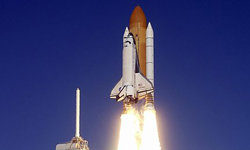
As Nasa prepares Space Shuttle Columbia for its 28th mission, excitement and trepidation build amongst the astronauts and their families as they count down to launch.
- TV-Recordings
- English subtitles
- 58
As Nasa prepares Space Shuttle Columbia for its 28th mission, excitement and trepidation build amongst the astronauts and their families as they count down to launch.
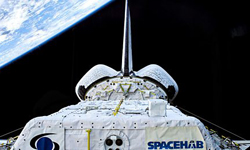
Nasa engineers analyse film footage of a piece of debris striking the shuttle Columbia 81 seconds after launch. What no-one yet knows is whether any serious damage has been done to the vehicle or the tiles which protect the vehicle against the intense heat of re-entry.
- TV-Recordings
- English subtitles
- 59
Nasa engineers analyse film footage of a piece of debris striking the shuttle Columbia 81 seconds after launch. What no-one yet knows is whether any serious damage has been done to the vehicle or the tiles which protect the vehicle against the intense heat of re-entry.
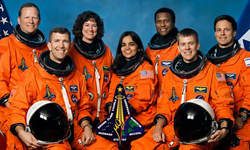
Sixteen minutes from landing, mission control lose contact with the crew of Columbia. On the shuttle landing strip, families waiting to welcome their loved ones back home are swiftly ushered away.
- TV-Recordings
- English subtitles
- 59
Sixteen minutes from landing, mission control lose contact with the crew of Columbia. On the shuttle landing strip, families waiting to welcome their loved ones back home are swiftly ushered away.

In 2011, after more than 30 years of service, America's space shuttle took to the skies for the last time. Its story has been characterised by incredible triumphs, but blighted by devastating tragedies - and the BBC and Horizon have chronicled every step of its career.
- TV-Recordings
- Engineering
- TV-Recordings
- English subtitles
- 60
In 2011, after more than 30 years of service, America's space shuttle took to the skies for the last time. Its story has been characterised by incredible triumphs, but blighted by devastating tragedies - and the BBC and Horizon have chronicled every step of its career.

-
The Story of Science: Power, Proof and Passion
-
BBC
Michael Mosley embarks on an informative and ambitious journey exploring how the evolution of scientific understanding is intimately interwoven with society's historical path.
- TV-Recordings
- English subtitles
- 300
Michael Mosley embarks on an informative and ambitious journey exploring how the evolution of scientific understanding is intimately interwoven with society's historical path.
Michael Mosley embarks on an informative and ambitious journey exploring how the evolution of scientific understanding is intimately interwoven with society's historical path.
- TV-Recordings
- Astronomy
- History
- TV-Recordings
- English subtitles
- 60
Michael Mosley embarks on an informative and ambitious journey exploring how the evolution of scientific understanding is intimately interwoven with society's historical path.
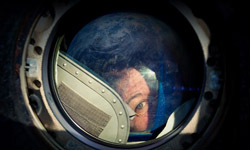
Film following Nasa psychologist Dr Al Holland as he prepares Mars-bound astronauts for the psychological demands of a three-year absence from Earth.
- TV-Recordings
- English subtitles
- 83
Film following Nasa psychologist Dr Al Holland as he prepares Mars-bound astronauts for the psychological demands of a three-year absence from Earth.

This is the story of the most extraordinary journey in human exploration, the Voyager space mission. In 1977 two unmanned spacecraft were launched by NASA, heading for distant worlds. It would be the first time any man-made object would ever visit the farthest planets of the solar system - Jupiter, Saturn, Neptune and Uranus.
- TV-Recordings
- Astronomy
- Other
- TV-Recordings
- No subtitles
- 60
This is the story of the most extraordinary journey in human exploration, the Voyager space mission. In 1977 two unmanned spacecraft were launched by NASA, heading for distant worlds. It would be the first time any man-made object would ever visit the farthest planets of the solar system - Jupiter, Saturn, Neptune and Uranus.

-
Voyager: Aux Confins du Systeme Solaire
-
Chris Riley , 2014
This is the story of the most extraordinary journey in human exploration, the Voyager space mission. In 1977 two unmanned spacecraft were launched by NASA, heading for distant worlds. It would be the first time any man-made object would ever visit the farthest planets of the solar system - Jupiter, Saturn, Neptune and Uranus. On the way the Voyagers would be bombarded by space dust, fried by radiation and discover many of the remarkable wonders of the solar system.
- TV-Recordings
- No subtitles
- 48
This is the story of the most extraordinary journey in human exploration, the Voyager space mission. In 1977 two unmanned spacecraft were launched by NASA, heading for distant worlds. It would be the first time any man-made object would ever visit the farthest planets of the solar system - Jupiter, Saturn, Neptune and Uranus. On the way the Voyagers would be bombarded by space dust, fried by radiation and discover many of the remarkable wonders of the solar system.