

-
Attenborough's Life That Glows
-
David Attenborough
Luminous beings, creatures with their own internal light, enchant and astonish us. Anyone who has seen a firefly or a glow-worm cannot help but fall under their spell. The sea at night sparkles as millions of luminous plankton reveal the shapes of dolphins in a truly magical light show
- TV-Recordings
- Natural World
- English subtitles
- 60
Luminous beings, creatures with their own internal light, enchant and astonish us. Anyone who has seen a firefly or a glow-worm cannot help but fall under their spell. The sea at night sparkles as millions of luminous plankton reveal the shapes of dolphins in a truly magical light show

-
Blue Planet 2
-
Wildlife documentary series, presented and narrated by David Attenborough, exploring the planet's oceans.
- TV-Recordings
- English subtitles
- 420
Wildlife documentary series, presented and narrated by David Attenborough, exploring the planet's oceans.
-
Blue Planet 2 - 01: One Ocean
-
David Attenborough
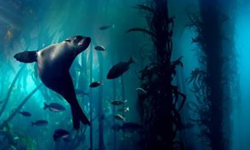
In recent years, our knowledge of life beneath the waves has been transformed. Using cutting-edge technology, One Ocean takes us on a journey from the intense heat of the tropics to our planet's frozen poles to reveal new worlds and extraordinary never-before-seen animal behaviours.
- TV-Recordings
- English subtitles
- 60
In recent years, our knowledge of life beneath the waves has been transformed. Using cutting-edge technology, One Ocean takes us on a journey from the intense heat of the tropics to our planet's frozen poles to reveal new worlds and extraordinary never-before-seen animal behaviours.

-
Blue Planet 2 - 01: One Ocean HD Version
-
David Attenborough
In recent years, our knowledge of life beneath the waves has been transformed. Using cutting-edge technology, One Ocean takes us on a journey from the intense heat of the tropics to our planet's frozen poles to reveal new worlds and extraordinary never-before-seen animal behaviours.
- TV-Recordings
- English subtitles
- 60
In recent years, our knowledge of life beneath the waves has been transformed. Using cutting-edge technology, One Ocean takes us on a journey from the intense heat of the tropics to our planet's frozen poles to reveal new worlds and extraordinary never-before-seen animal behaviours.
-
Blue Planet 2 - 02: The Deep
-
David Attenborough
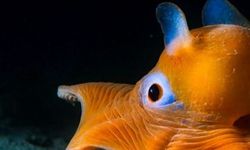
The deep is perhaps the most hostile environment on earth, at least to us - a world of crushing pressure, brutal cold and utter darkness. We have barely begun to explore it, and yet it is the largest living space on the planet. Scientists already think that there is more life in the deep than anywhere else on earth.
- TV-Recordings
- English subtitles
- 60
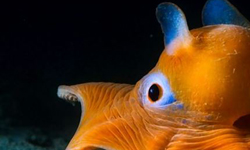
The deep is perhaps the most hostile environment on earth, at least to us - a world of crushing pressure, brutal cold and utter darkness. We have barely begun to explore it, and yet it is the largest living space on the planet. Scientists already think that there is more life in the deep than anywhere else on earth.
-
Blue Planet 2 - 02: The Deep HD Version
-
David Attenborough
The deep is perhaps the most hostile environment on earth, at least to us - a world of crushing pressure, brutal cold and utter darkness. We have barely begun to explore it, and yet it is the largest living space on the planet. Scientists already think that there is more life in the deep than anywhere else on earth.
- TV-Recordings
- English subtitles
- 60
The deep is perhaps the most hostile environment on earth, at least to us - a world of crushing pressure, brutal cold and utter darkness. We have barely begun to explore it, and yet it is the largest living space on the planet. Scientists already think that there is more life in the deep than anywhere else on earth.

-
Blue Planet 2 - 03: Coral Reefs
-
David Attenborough
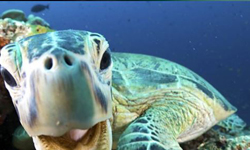
Corals build themselves homes of limestone in the warm, clear, shallow seas of the tropics. Their reefs occupy less than one tenth of one per cent of the ocean floor, yet they are home to a quarter of all known marine species.
- TV-Recordings
- English subtitles
- 60
Corals build themselves homes of limestone in the warm, clear, shallow seas of the tropics. Their reefs occupy less than one tenth of one per cent of the ocean floor, yet they are home to a quarter of all known marine species.
-
Blue Planet 2 - 03: Coral Reefs HD Version
-
David Attenborough
Corals build themselves homes of limestone in the warm, clear, shallow seas of the tropics. Their reefs occupy less than one tenth of one per cent of the ocean floor, yet they are home to a quarter of all known marine species.
- TV-Recordings
- English subtitles
- 60
Corals build themselves homes of limestone in the warm, clear, shallow seas of the tropics. Their reefs occupy less than one tenth of one per cent of the ocean floor, yet they are home to a quarter of all known marine species.

-
Blue Planet 2 - 04: Big Blue
-
David Attenborough
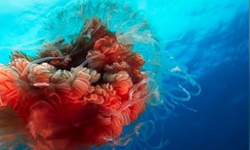
The big blue is the world's greatest wilderness, far from shore and many kilometres deep. It's a vast marine desert where there is little to eat and nowhere to hide.
- TV-Recordings
- English subtitles
- 60
The big blue is the world's greatest wilderness, far from shore and many kilometres deep. It's a vast marine desert where there is little to eat and nowhere to hide.
-
Blue Planet 2 - 04: Big Blue HD Version
-
David Attenborough
The big blue is the world's greatest wilderness, far from shore and many kilometres deep. It's a vast marine desert where there is little to eat and nowhere to hide.
- TV-Recordings
- English subtitles
- 60
The big blue is the world's greatest wilderness, far from shore and many kilometres deep. It's a vast marine desert where there is little to eat and nowhere to hide.
-
Blue Planet 2 - 05: Green Seas HD Version
-
David Attenborough
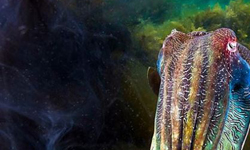
It's our green seas, not the blue, that bring life to our oceans. Here sunlight powers the growth of enchanted forests of kelp, mangroves and prairies of sea grass.
- TV-Recordings
- English subtitles
- 60
It's our green seas, not the blue, that bring life to our oceans. Here sunlight powers the growth of enchanted forests of kelp, mangroves and prairies of sea grass.

-
Blue Planet 2 - 06: Coasts
-
David Attenborough
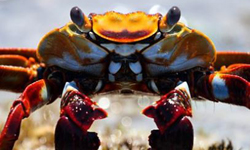
On the coast, two worlds collide. Coasts are the most dynamic and challenging habitats in the ocean - that brings great rewards but also great danger. The extraordinary animals that live here must find ingenious ways to cope with two very different worlds.
- TV-Recordings
- English subtitles
- 60
On the coast, two worlds collide. Coasts are the most dynamic and challenging habitats in the ocean - that brings great rewards but also great danger. The extraordinary animals that live here must find ingenious ways to cope with two very different worlds.
-
Blue Planet 2 - 06: Coasts HD Version
-
David Attenborough
On the coast, two worlds collide. Coasts are the most dynamic and challenging habitats in the ocean - that brings great rewards but also great danger. The extraordinary animals that live here must find ingenious ways to cope with two very different worlds.
- TV-Recordings
- English subtitles
- 60
On the coast, two worlds collide. Coasts are the most dynamic and challenging habitats in the ocean - that brings great rewards but also great danger. The extraordinary animals that live here must find ingenious ways to cope with two very different worlds.

-
Blue Planet 2 - 07: Our Blue Planet
-
David Attenborough
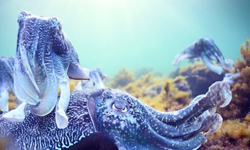
While making Blue Planet II, we have explored parts of the ocean that nobody has been to before, encountered extraordinary animals and discovered new insights into how life thrives beneath the waves.
- TV-Recordings
- English subtitles
- 60
While making Blue Planet II, we have explored parts of the ocean that nobody has been to before, encountered extraordinary animals and discovered new insights into how life thrives beneath the waves.

-
Blue Planet 2 - 07: Our Blue Planet HD Version
-
David Attenborough
While making Blue Planet II, we have explored parts of the ocean that nobody has been to before, encountered extraordinary animals and discovered new insights into how life thrives beneath the waves.
- TV-Recordings
- English subtitles
- 60
While making Blue Planet II, we have explored parts of the ocean that nobody has been to before, encountered extraordinary animals and discovered new insights into how life thrives beneath the waves.
-
Blue Planet 2 - 08 : Oceans of Wonder
-
David Attenborough
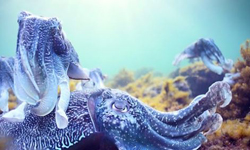
This extended special of the nature documentary series journeys from the equator to the unexplored depths, meeting the best-loved characters from the series.
- TV-Recordings
- English subtitles
- 90
This extended special of the nature documentary series journeys from the equator to the unexplored depths, meeting the best-loved characters from the series.
-
Blue Planet 2 - 08 : Oceans of Wonder HD Version
-
David Attenborough
This extended special of the nature documentary series journeys from the equator to the unexplored depths, meeting the best-loved characters from the series.
- TV-Recordings
- English subtitles
- 90
This extended special of the nature documentary series journeys from the equator to the unexplored depths, meeting the best-loved characters from the series.
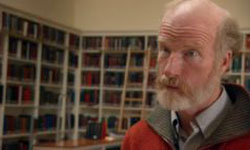
The film also uncovers the disturbing story of how shipping noise is deafening whales and dolphins, affecting their survival in the future.
- TV-Recordings
- Environmental Studies
- Other
- TV-Recordings
- English subtitles
- 60
The film also uncovers the disturbing story of how shipping noise is deafening whales and dolphins, affecting their survival in the future.

The Finnish construction of cruise liner Freedom of the Seas, which was launched in 2006 and, at 18 storeys in height and a quarter of a mile in length, is the largest in the world. As cameras show the many features such as the surf park and ice rink, experts investigate whether at 160,000 tonnes this is the maximum size ocean-going technology will reach before having too great a mass to float
- TV-Recordings
- Built Environment & Architecture
- Engineering
- TV-Recordings
- No subtitles
- 58
The Finnish construction of cruise liner Freedom of the Seas, which was launched in 2006 and, at 18 storeys in height and a quarter of a mile in length, is the largest in the world. As cameras show the many features such as the surf park and ice rink, experts investigate whether at 160,000 tonnes this is the maximum size ocean-going technology will reach before having too great a mass to float

-
Ocean Giants
-
BBC
Documentary granting a unique and privileged access into the magical world of whales and dolphins, uncovering the secrets of their intimate lives as never before.
- TV-Recordings
- No subtitles
- 180
Documentary granting a unique and privileged access into the magical world of whales and dolphins, uncovering the secrets of their intimate lives as never before.
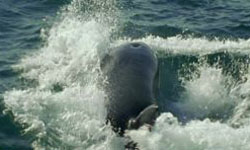
This episode explores the intimate details of the largest animals that have ever lived on our planet - the great whales. From the balmy waters of the Indian Ocean to the freezing seas of the Arctic, two daring underwater cameramen - Doug Allan, Planet Earth's polar specialist, and Didier Noirot, Cousteau's front-line cameraman - come face-to-face with fighting humpback whales and two-hundred-ton feeding blue whales.
- TV-Recordings
- Biology
- TV-Recordings
- English subtitles
- 60
This episode explores the intimate details of the largest animals that have ever lived on our planet - the great whales. From the balmy waters of the Indian Ocean to the freezing seas of the Arctic, two daring underwater cameramen - Doug Allan, Planet Earth's polar specialist, and Didier Noirot, Cousteau's front-line cameraman - come face-to-face with fighting humpback whales and two-hundred-ton feeding blue whales.
Humans have long wondered if the universe may harbour other intelligent life forms. But perhaps we need look no further than our oceans?
- TV-Recordings
- Biology
- TV-Recordings
- No subtitles
- 60
Humans have long wondered if the universe may harbour other intelligent life forms. But perhaps we need look no further than our oceans?
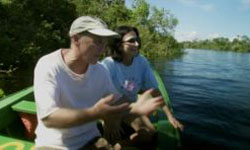
Whales and dolphins are nature's supreme vocalists, with a repertoire to put an opera singer to shame. The mighty sperm whale produces deafening clicks in its blowhole which it uses to locate giant squid two miles down in the ocean abyss, while migrating narwhals use similar sounds to pinpoint vital breathing holes in Arctic ice-floes.
- TV-Recordings
- Biology
- TV-Recordings
- No subtitles
- 60
Whales and dolphins are nature's supreme vocalists, with a repertoire to put an opera singer to shame. The mighty sperm whale produces deafening clicks in its blowhole which it uses to locate giant squid two miles down in the ocean abyss, while migrating narwhals use similar sounds to pinpoint vital breathing holes in Arctic ice-floes.
-
Oceans
-
Paul Rose
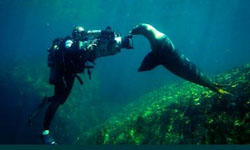
Four marine experts explore the planet's greatest wilderness - the oceans. They reveal the hidden stories of the deep through archaeology, geology, marine biology and anthropology.
- TV-Recordings
- No subtitles
- 420
Four marine experts explore the planet's greatest wilderness - the oceans. They reveal the hidden stories of the deep through archaeology, geology, marine biology and anthropology.
-
Oceans - Episode 02: Southern Ocean
-
Paul Rose
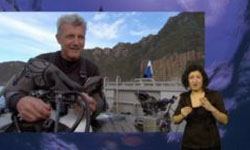
The team investigates why parts of the Southern Ocean are warming twice as fast as the rest of the world's oceans and looks at the impact of this phenomenon.
- TV-Recordings
- Biology
- Geography
- TV-Recordings
- No subtitles
- 57
The team investigates why parts of the Southern Ocean are warming twice as fast as the rest of the world's oceans and looks at the impact of this phenomenon.
-
Oceans - Episode 03: Red Sea
-
Paul Rose
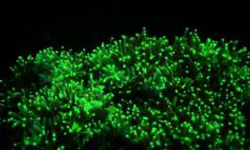
The team explores the remote and unexplored Southern Red Sea, teeming with marine life and home to some of the warmest waters on the planet.
- TV-Recordings
- Biology
- Geography
- TV-Recordings
- No subtitles
- 60
The team explores the remote and unexplored Southern Red Sea, teeming with marine life and home to some of the warmest waters on the planet.
-
Oceans - Episode 04: Atlantic Ocean
-
Paul Rose
The team explores a corner of the Atlantic Ocean. This ocean is the youngest of the great oceans and critical in influencing our climate.
- TV-Recordings
- Environmental Studies
- Geography
- TV-Recordings
- No subtitles
- 60
The team explores a corner of the Atlantic Ocean. This ocean is the youngest of the great oceans and critical in influencing our climate.

-
Oceans - Episode 05: Indian Ocean
-
Paul Rose
In the first of two episodes in the rich tropical waters of the Indian Ocean, the team explore its remote and pristine underwater worlds.
- TV-Recordings
- Biology
- Geography
- TV-Recordings
- No subtitles
- 57
In the first of two episodes in the rich tropical waters of the Indian Ocean, the team explore its remote and pristine underwater worlds.
The team explores the coastal waters of the Indian Ocean to discover what happens when the powerful Indian Ocean collides with the edge of a continent.
- TV-Recordings
- Geography
- TV-Recordings
- No subtitles
- 57
The team explores the coastal waters of the Indian Ocean to discover what happens when the powerful Indian Ocean collides with the edge of a continent.
-
Oceans - Episode 07: Mediterranean Ocean
-
Paul Rose
The team embarks on an expedition to explore the profound effect that man is having on the Mediterranean Sea. Western civilisation developed around its shores, but now human activity is threatening to destroy it.
- TV-Recordings
- Environmental Studies
- Geography
- TV-Recordings
- No subtitles
- 57
The team embarks on an expedition to explore the profound effect that man is having on the Mediterranean Sea. Western civilisation developed around its shores, but now human activity is threatening to destroy it.