
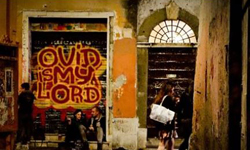
Michael Wood explores the life, works and influence of one of the world's greatest storytellers who died 2,000 years ago.
- TV-Recordings
- Classical Civilisation
- English subtitles
- 60
Michael Wood explores the life, works and influence of one of the world's greatest storytellers who died 2,000 years ago.
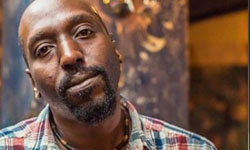
Is poetry the new rock 'n' roll - or is rock 'n' roll the new poetry? This documentary explores how the edges between performance poetry and popular music have become blurred - a radical cross-pollination that began 50 years ago when Allen Ginsberg stormed the stage of the Royal Albert Hall.
- TV-Recordings
- English subtitles
- 60
Is poetry the new rock 'n' roll - or is rock 'n' roll the new poetry? This documentary explores how the edges between performance poetry and popular music have become blurred - a radical cross-pollination that began 50 years ago when Allen Ginsberg stormed the stage of the Royal Albert Hall.
Documentary which tells the story of a group of men and women who risked their lives to rescue a library - and preserve a nation's history - in the midst of the Bosnian war.
- TV-Recordings
- Art & Design
- History
- TV-Recordings
- No subtitles
- 60
Documentary which tells the story of a group of men and women who risked their lives to rescue a library - and preserve a nation's history - in the midst of the Bosnian war.
-
The Beauty of Books
-
BBC
Series combining human stories, expert interviews, book illustrations and historic archive to reveal the beauty of books
- TV-Recordings
- English subtitles
- 90
Series combining human stories, expert interviews, book illustrations and historic archive to reveal the beauty of books
A look at the 4th-century Codex Sinaiticus and 12th-century Winchester bibles.
- TV-Recordings
- Literature Books
- TV-Recordings
- English subtitles
- 30
A look at the 4th-century Codex Sinaiticus and 12th-century Winchester bibles.
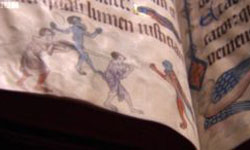
Examining medieval books such as the Luttrell Psalter and Chaucer's Canterbury Tales.
- TV-Recordings
- Literature Books
- TV-Recordings
- English subtitles
- 30
Examining medieval books such as the Luttrell Psalter and Chaucer's Canterbury Tales.
The paperback book democratized reading in the 20th century, and printing directly onto the covers became a way of selling a book in the mass market.
- TV-Recordings
- Literature Books
- TV-Recordings
- English subtitles
- 30
The paperback book democratized reading in the 20th century, and printing directly onto the covers became a way of selling a book in the mass market.
-
The Century that Wrote Itself
-
BBC
Author Adam Nicolson takes an intimate look at the 17th century's diarists and letter writers and how they produced the first great age of self-depiction.
- TV-Recordings
- No subtitles
- No
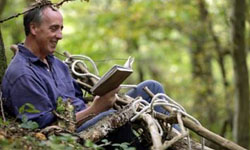
Author Adam Nicolson takes an intimate look at the 17th century's diarists and letter writers and how they produced the first great age of self-depiction.
-
The Century that Wrote Itself - 01 : The Written Self
-
Adam Nicolson
Author Adam Nicolson takes an intimate look at the 17th century's diarists and letter writers and how they produced the first great age of self-depiction.He traces our modern sense of self back to the time when ordinary people first took up the quill. At a time of great upheaval, writing was both a means of escape and of fighting for what you believed.
- TV-Recordings
- History
- TV-Recordings
- No subtitles
- 60
Author Adam Nicolson takes an intimate look at the 17th century's diarists and letter writers and how they produced the first great age of self-depiction.He traces our modern sense of self back to the time when ordinary people first took up the quill. At a time of great upheaval, writing was both a means of escape and of fighting for what you believed.

Adam Nicolson explores the 17th century's contradictory attitudes towards the nature of reality. While a puritan struggled to accept God's will, an early naturalist accepted nothing without testing it first. How did God work? How did the world work?
- TV-Recordings
- History
- TV-Recordings
- No subtitles
- 60
Adam Nicolson explores the 17th century's contradictory attitudes towards the nature of reality. While a puritan struggled to accept God's will, an early naturalist accepted nothing without testing it first. How did God work? How did the world work?
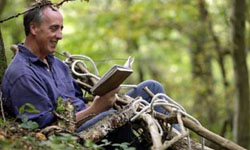
Author Adam Nicolson traces the roots of today's globalised Britain to a 17th-century golden age of writing and communication. He reveals a century on the move, a time when London tripled in size and more than 200,000 people emigrated in search of work or God.
- TV-Recordings
- Phonetics and Linguistics
- TV-Recordings
- No subtitles
- 60
Author Adam Nicolson traces the roots of today's globalised Britain to a 17th-century golden age of writing and communication. He reveals a century on the move, a time when London tripled in size and more than 200,000 people emigrated in search of work or God.
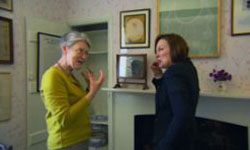
To mark the 200th anniversary of the publication of Jane Austen’s first novel, Sense and Sensibility, Professor Amanda Vickery, one of the leading chroniclers of Georgian England, explores the ebb and flow of Austen’s popularity and the hold her fiction has on us now.
- TV-Recordings
- Literature Books
- TV-Recordings
- No subtitles
- 60
To mark the 200th anniversary of the publication of Jane Austen’s first novel, Sense and Sensibility, Professor Amanda Vickery, one of the leading chroniclers of Georgian England, explores the ebb and flow of Austen’s popularity and the hold her fiction has on us now.

Marking the 50th anniversary of the influential novel To Kill a Mockingbird, writer Andrew Smith visits Monroeville in Alabama, the setting of the book, to see how life there has changed in half a century.
- TV-Recordings
- History
- Politics & Public Policy
- TV-Recordings
- English subtitles
- 60
Marking the 50th anniversary of the influential novel To Kill a Mockingbird, writer Andrew Smith visits Monroeville in Alabama, the setting of the book, to see how life there has changed in half a century.

-
Henry IV - Part 01
-
BBC , 2012
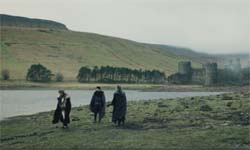
The heir to the throne, Prince Hal, defies his father, King Henry, by spending his time at Mistress Quickly's tavern in the company of the dissolute Falstaff and his companions. The King is threatened by a rebellion led by Hal's rival, Hotspur, his father Northumberland and his uncle Worcester.
- Video
- No subtitles
- 115
The heir to the throne, Prince Hal, defies his father, King Henry, by spending his time at Mistress Quickly's tavern in the company of the dissolute Falstaff and his companions. The King is threatened by a rebellion led by Hal's rival, Hotspur, his father Northumberland and his uncle Worcester.
-
Henry IV - Part 02
-
BBC , 2012
In the aftermath of the Battle of Shrewsbury, Northumberland learns of the death of his son. The Lord Chief Justice attempts on behalf of the increasingly frail King to separate Falstaff from Prince Hal.
- Video
- No subtitles
- 120
In the aftermath of the Battle of Shrewsbury, Northumberland learns of the death of his son. The Lord Chief Justice attempts on behalf of the increasingly frail King to separate Falstaff from Prince Hal.
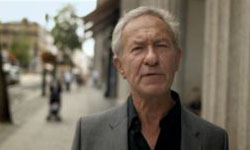
Simon Schama argues that it is impossible to understand how Shakespeare came to belong 'to all time' without understanding just how much he was of his time.
- Video
- No subtitles
- 60
Simon Schama argues that it is impossible to understand how Shakespeare came to belong 'to all time' without understanding just how much he was of his time.
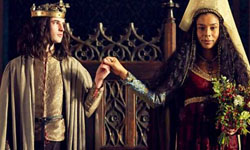
Against the backdrop of wars in France, the English nobility quarrel. News of the English defeat at Orleans reaches the duke of Gloucester and other nobles. After the funeral of Henry V, his son, the infant Henry VI, is proclaimed king.
- Video
- No subtitles
- 111
Against the backdrop of wars in France, the English nobility quarrel. News of the English defeat at Orleans reaches the duke of Gloucester and other nobles. After the funeral of Henry V, his son, the infant Henry VI, is proclaimed king.
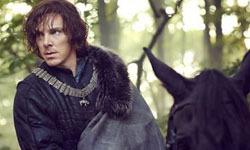
After the Battle of St Albans, Plantagenet and the Yorkists ride to London to claim the throne. Henry negotiates to keep the crown for his lifetime but agrees to disinherit his son Prince Edward.
- Video
- No subtitles
- 123
After the Battle of St Albans, Plantagenet and the Yorkists ride to London to claim the throne. Henry negotiates to keep the crown for his lifetime but agrees to disinherit his son Prince Edward.
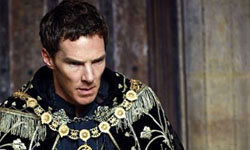
At Westminster, Richard speaks about his deformity, the evil plots he has laid, and the decadence at court.
- Video
- English subtitles
- 130
At Westminster, Richard speaks about his deformity, the evil plots he has laid, and the decadence at court.
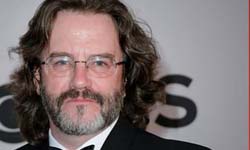
Gregory Doran, artistic director of the RSC, who has been described as one of the 'great Shakespearians of his generation', delivers the 2016 Richard Dimbleby Lecture. Four hundred years after Shakespeare's death, Gregory reflects on the impact and resonance Shakespeare still has in the contemporary world.
- Video
- English subtitles
- 45
Gregory Doran, artistic director of the RSC, who has been described as one of the 'great Shakespearians of his generation', delivers the 2016 Richard Dimbleby Lecture. Four hundred years after Shakespeare's death, Gregory reflects on the impact and resonance Shakespeare still has in the contemporary world.