
-
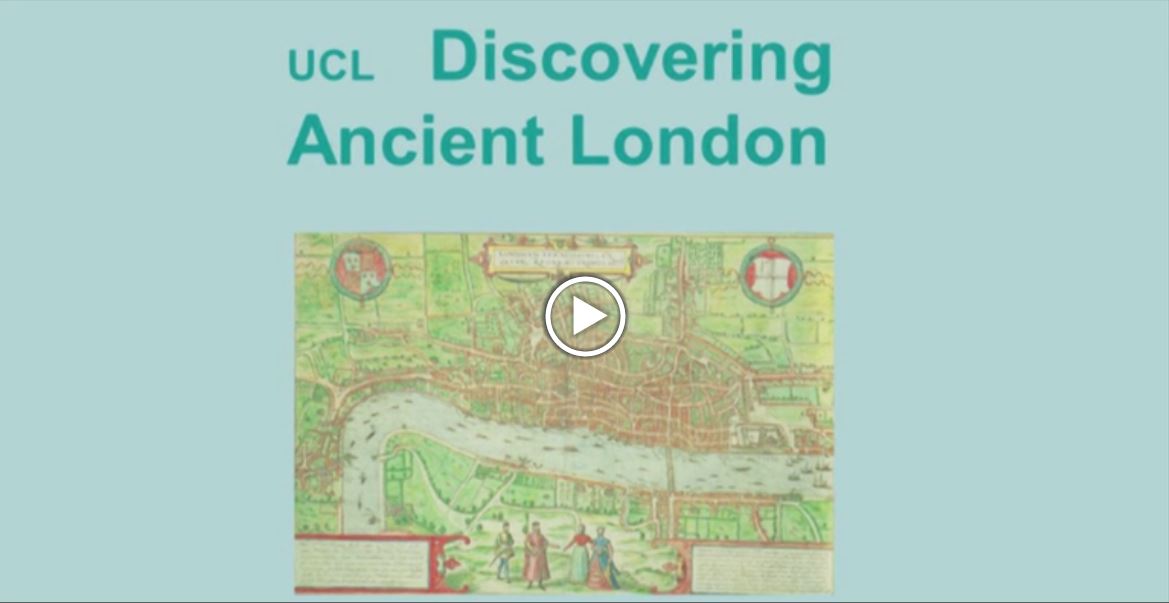
Archaeology of Roman London
-
Dr Gustav Milne , 2011
Pre-sessional Lecture 2011
- Lectures
- Classical Civilisation
- Lectures
- No subtitles
- 55
Pre-sessional Lecture 2011
-
Cleopatra: Interpreting Evidence from the Classical World
-
Prof Maria Wyke
UPCH 2009-2010
- Lectures
- Classical Civilisation
- Lectures
- No subtitles
- 50
UPCH 2009-2010
-
Displaying the Languages of Ancient Egypt
-
Dr Stephen G. J. Quirke
Diploma 2008 / 2009
- Lectures
- Classical Civilisation
- Lectures
- No subtitles
- 60
Diploma 2008 / 2009

-
Life in Ancient Egypt
-
Dr Stephen Quirke , 2006
Diploma Lecture 2006-2007
- Lectures
- Classical Civilisation
- Lectures
- No subtitles
- 60
Diploma Lecture 2006-2007

-
Tutankhamun - An Ancient Egyptian Royal Burial
-
Dr Taylor , 2008
Diploma 2008
- Lectures
- Classical Civilisation
- Lectures
- No subtitles
- 60
Diploma 2008
The Bible describes how Sodom and Gomorrah were destroyed in a storm of fire and brimstone. Could the inspiration for this story come from a natural apocalypse around the Dead Sea in the Middle East?
- TV-Recordings
- Classical Civilisation
- Religion
- TV-Recordings
- No subtitles
- 50
The Bible describes how Sodom and Gomorrah were destroyed in a storm of fire and brimstone. Could the inspiration for this story come from a natural apocalypse around the Dead Sea in the Middle East?
-
Ancient Egypt - Life and Death in the Valley of the Kings : Part 1 Life
-
Dr Joann Fletcher
In the first part of the series, Joann explores how people lived during this time, from the tightly-packed houses and villages of the common people, to the clothes they wore and the food they ate. She discovers the ordinary Egyptians' love of poetry and their enthusiasm for interior design, as well as what it was like working in the most famous cemetery on Earth.
- TV-Recordings
- Classical Civilisation
- English subtitles
- 60
In the first part of the series, Joann explores how people lived during this time, from the tightly-packed houses and villages of the common people, to the clothes they wore and the food they ate. She discovers the ordinary Egyptians' love of poetry and their enthusiasm for interior design, as well as what it was like working in the most famous cemetery on Earth.

-
Ancient Egypt - Life and Death in the Valley of the Kings : Part 2 Death
-
Dr Joann Fletcher
This episode reveals a strange and mysterious world - the ancient Egyptian afterlife. To them life was just a dress rehearsal for the perfect afterlife they were trying to reach. Joann clambers into rarely visited tombs, explores a treasure trove of long-buried objects and examines spectacular mummies to discover just why the Egyptians spent a fortune preparing for death - and what they hoped to find when they got there.
- TV-Recordings
- Classical Civilisation
- English subtitles
- 60
This episode reveals a strange and mysterious world - the ancient Egyptian afterlife. To them life was just a dress rehearsal for the perfect afterlife they were trying to reach. Joann clambers into rarely visited tombs, explores a treasure trove of long-buried objects and examines spectacular mummies to discover just why the Egyptians spent a fortune preparing for death - and what they hoped to find when they got there.

-
Ancient Greece : The Greatest Show on Earth
-
Dr Michael Scott
Classicist Dr Michael Scott journeys to Athens to explore how drama first began.
- TV-Recordings
- Classical Civilisation
- English subtitles
- 180
Classicist Dr Michael Scott journeys to Athens to explore how drama first began.
Classicist Dr Michael Scott journeys to Athens to explore how drama first began. He discovers that from the very start it was about more than just entertainment - it was a reaction to real events, it was a driving force in history and it was deeply connected to Athenian democracy.
- TV-Recordings
- Classical Civilisation
- English subtitles
- 60
Classicist Dr Michael Scott journeys to Athens to explore how drama first began. He discovers that from the very start it was about more than just entertainment - it was a reaction to real events, it was a driving force in history and it was deeply connected to Athenian democracy.
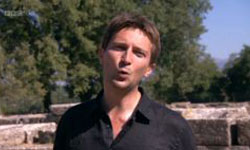
Classicist Dr Michael Scott looks at the dramatic decline of Athens and the remarkable triumph and transformation of theatre. During the 4th century BC Athens would lose its Empire, its influence and even its democracy.
- TV-Recordings
- Classical Civilisation
- English subtitles
- 60
Classicist Dr Michael Scott looks at the dramatic decline of Athens and the remarkable triumph and transformation of theatre. During the 4th century BC Athens would lose its Empire, its influence and even its democracy.
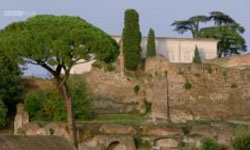
Classicist Dr Michael Scott examines the vital role played by the Romans in the preservation of Greek drama and in the history of theatre.
- TV-Recordings
- Classical Civilisation
- English subtitles
- 60
Classicist Dr Michael Scott examines the vital role played by the Romans in the preservation of Greek drama and in the history of theatre.
-
Ancient Invisible Cities - Series 1
-
Dr Michael Scott
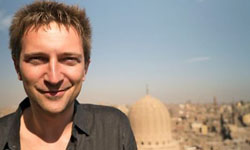
Historian Michael Scott explores deep underground using the latest laser-scanning technology and virtual reality to reveal the historical secrets of great cities.
- TV-Recordings
- English subtitles
- 180
Historian Michael Scott explores deep underground using the latest laser-scanning technology and virtual reality to reveal the historical secrets of great cities.

-
Ancient Invisible Cities - Series 1 - Episode 1 : Cairo
-
Dr Michael Scott
Dr Michael Scott uses the latest 3D-scanning technology to reveal the historical secrets of Cairo and Ancient Egypt.
- TV-Recordings
- English subtitles
- 60
Dr Michael Scott uses the latest 3D-scanning technology to reveal the historical secrets of Cairo and Ancient Egypt.

-
Ancient Invisible Cities - Series 1 - Episode 2 : Athens
-
Dr Michael Scott
Michael journeys into the landscape surrounding Athens, to the area of Laurion, 50 miles to the south of the city.
- TV-Recordings
- English subtitles
- 60
Michael journeys into the landscape surrounding Athens, to the area of Laurion, 50 miles to the south of the city.
-
Ancient Invisible Cities - Series 1 - Episode 3 : Istanbul
-
Dr Michael Scott
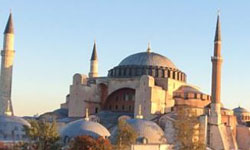
Classical historian Dr Michael Scott takes us on an extraordinary journey through the often-invisible treasures of one of the greatest ancient cities in the world - Istanbul.
- TV-Recordings
- English subtitles
- 60
Classical historian Dr Michael Scott takes us on an extraordinary journey through the often-invisible treasures of one of the greatest ancient cities in the world - Istanbul.

Archaeologist and historian Richard Miles explores the roots of one of the most profound innovations in the human story - civilisation - in the first episode of an epic series that runs from the creation of the first cities in Mesopotamia some 6,000 years ago, to the decline and fall of the Roman Empire.
- TV-Recordings
- Archaeology
- Classical Civilisation
- History
- TV-Recordings
- English subtitles
- 60
Archaeologist and historian Richard Miles explores the roots of one of the most profound innovations in the human story - civilisation - in the first episode of an epic series that runs from the creation of the first cities in Mesopotamia some 6,000 years ago, to the decline and fall of the Roman Empire.
Archaeologist and historian Richard Miles looks at the winners, losers and survivors of the great Bronze Age collapse, a regional catastrophe that wiped out the hard-won achievements of civilisation in the eastern Mediterranean about 3,000 years ago. In the new age of iron, civilisation would re-emerge, tempered in the flames of conflict, tougher and more resilient than ever before.
- TV-Recordings
- Archaeology
- Classical Civilisation
- History
- TV-Recordings
- English subtitles
- 60
Archaeologist and historian Richard Miles looks at the winners, losers and survivors of the great Bronze Age collapse, a regional catastrophe that wiped out the hard-won achievements of civilisation in the eastern Mediterranean about 3,000 years ago. In the new age of iron, civilisation would re-emerge, tempered in the flames of conflict, tougher and more resilient than ever before.
Richard Miles explores the power and the paradox of the \'Greek Thing\' - a blossoming in art, philosophy and science that went hand in hand with political discord, social injustice and endless war.
- TV-Recordings
- Archaeology
- Classical Civilisation
- History
- TV-Recordings
- English subtitles
- 60
Richard Miles explores the power and the paradox of the \'Greek Thing\' - a blossoming in art, philosophy and science that went hand in hand with political discord, social injustice and endless war.
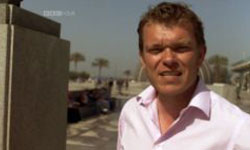
Richard Miles's epic story of civilization, there have been plenty of examples of the great men of history, but none came close to the legend of Alexander of Macedon, known to us as 'the Great'. Uniting the fractious Greek city-states, he led them on a crusade against the old enemy, Persia, and in little more than a decade created an empire that stretched from Egypt in the west to Afghanistan in the east.
- TV-Recordings
- Archaeology
- Classical Civilisation
- History
- TV-Recordings
- English subtitles
- 60
Richard Miles's epic story of civilization, there have been plenty of examples of the great men of history, but none came close to the legend of Alexander of Macedon, known to us as 'the Great'. Uniting the fractious Greek city-states, he led them on a crusade against the old enemy, Persia, and in little more than a decade created an empire that stretched from Egypt in the west to Afghanistan in the east.

Archaeologist and historian Richard Miles examines the phenomenon of the Roman Republic.
- TV-Recordings
- Classical Civilisation
- History
- Politics & Public Policy
- TV-Recordings
- English subtitles
- 60
Archaeologist and historian Richard Miles examines the phenomenon of the Roman Republic.

Archaeologist and historian Richard Miles examines the rise and fall of the Roman Empire.
- TV-Recordings
- Archaeology
- Classical Civilisation
- History
- TV-Recordings
- English subtitles
- 60
Archaeologist and historian Richard Miles examines the rise and fall of the Roman Empire.

In the 4th century BC the Greek philosopher Aristotle travelled to Lesvos, an island in the Aegean teeming, then as now, with wildlife.
- TV-Recordings
- Biology
- Classical Civilisation
- TV-Recordings
- No subtitles
- 60
In the 4th century BC the Greek philosopher Aristotle travelled to Lesvos, an island in the Aegean teeming, then as now, with wildlife.
-
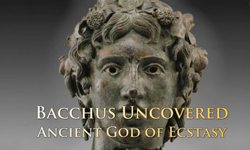
Bacchus Uncovered: Ancient God of Ecstasy
-
Nick Gillam-Smith
Professor Bettany Hughes investigates the story of Bacchus, god of wine and revelry, travelling to Georgia, Jordan and Greece to discover his origins.
- TV-Recordings
- English subtitles
- 60
Professor Bettany Hughes investigates the story of Bacchus, god of wine and revelry, travelling to Georgia, Jordan and Greece to discover his origins.

With the help of a team of experts and the latest in 3-D scanning technology, Alexander Armstrong, along with Dr Michael Scott, explores the hidden underground treasures that made Rome the powerhouse of the ancient world.
- TV-Recordings
- Classical Civilisation
- English subtitles
- 60
With the help of a team of experts and the latest in 3-D scanning technology, Alexander Armstrong, along with Dr Michael Scott, explores the hidden underground treasures that made Rome the powerhouse of the ancient world.

In the opening episode of the series, Professor Andrew Wallace-Hadrill takes us on a journey across stunning locations in Greece and Italy to find out how Athens gave birth to the idea of a city run by free citizens 2,500 years ago. Every aspect of daily life from defence to waste disposal was controlled not by a king, but by the Athenians themselves.
- TV-Recordings
- Classical Civilisation
- English subtitles
- 60
In the opening episode of the series, Professor Andrew Wallace-Hadrill takes us on a journey across stunning locations in Greece and Italy to find out how Athens gave birth to the idea of a city run by free citizens 2,500 years ago. Every aspect of daily life from defence to waste disposal was controlled not by a king, but by the Athenians themselves.
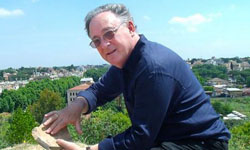
Rome was the world's first ancient megacity. At a time when few towns could number more than 10,000 inhabitants, more than a million lived in Rome. But in a world without modern technology, how on earth did the Romans do it?
- TV-Recordings
- Classical Civilisation
- English subtitles
- 59
Rome was the world's first ancient megacity. At a time when few towns could number more than 10,000 inhabitants, more than a million lived in Rome. But in a world without modern technology, how on earth did the Romans do it?
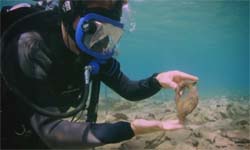
An international team of experts uses cutting-edge technology to prise age-old secrets from the complex of streets and stone buildings that lie less than five metres below the surface of the ocean. State-of-the-art CGI helps to raise the city from the seabed, revealing for the first time in 3,500 years how Pavlopetri would once have looked and operated.
- TV-Recordings
- Archaeology
- Classical Civilisation
- TV-Recordings
- No subtitles
- 114
An international team of experts uses cutting-edge technology to prise age-old secrets from the complex of streets and stone buildings that lie less than five metres below the surface of the ocean. State-of-the-art CGI helps to raise the city from the seabed, revealing for the first time in 3,500 years how Pavlopetri would once have looked and operated.
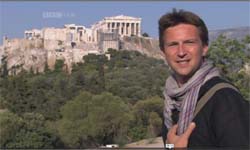
What really went on at the ancient Greek oracle at Delphi, how did it get its awesome reputation and why is it still influential today?
- TV-Recordings
- Classical Civilisation
- History
- TV-Recordings
- No subtitles
- 60
What really went on at the ancient Greek oracle at Delphi, how did it get its awesome reputation and why is it still influential today?
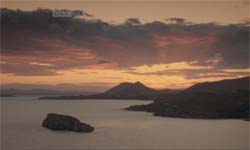
Virginia Woolf said Homer\'s epic poem the Odyssey was \'alive to every tremor and gleam of existence\'. Following the magical and strange adventures of warrior king Odysseus, inventor of the idea of the Trojan Horse, the poem can claim to be the greatest story ever told.
- TV-Recordings
- Classical Civilisation
- History
- TV-Recordings
- No subtitles
- 60
Virginia Woolf said Homer\'s epic poem the Odyssey was \'alive to every tremor and gleam of existence\'. Following the magical and strange adventures of warrior king Odysseus, inventor of the idea of the Trojan Horse, the poem can claim to be the greatest story ever told.