

-
The Beatles Decade
-
Taking a close look at how the Beatles personified the huge changes that the 1960s witnessed. The Beatles decade began with a chance encounter in Liverpool.
- TV-Recordings
- No subtitles
- 205
Taking a close look at how the Beatles personified the huge changes that the 1960s witnessed. The Beatles decade began with a chance encounter in Liverpool.
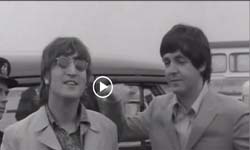
The Beatles’ decade began in Liverpool in July 1957 when 16 year old John Lennon and 15 year old Paul McCartney met. This chance encounter produced one of the most important musical partnerships of the 20th Century. They listened to American artists and hung out in the Jacaranda coffee bar.
- TV-Recordings
- Music
- Other
- TV-Recordings
- No subtitles
- 13
The Beatles’ decade began in Liverpool in July 1957 when 16 year old John Lennon and 15 year old Paul McCartney met. This chance encounter produced one of the most important musical partnerships of the 20th Century. They listened to American artists and hung out in the Jacaranda coffee bar.
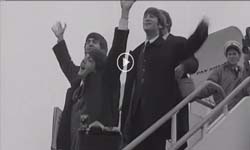
In Liverpool in 1962 the Beatles caused a sensation at the Cavern Club. They had only one single to their name. But a fateful meeting with Brian Epstein was to help them top the charts. Epstein changed their image from the American biker look and soon realised the sixties was the selling decade.
- TV-Recordings
- Music
- Other
- TV-Recordings
- No subtitles
- 11
In Liverpool in 1962 the Beatles caused a sensation at the Cavern Club. They had only one single to their name. But a fateful meeting with Brian Epstein was to help them top the charts. Epstein changed their image from the American biker look and soon realised the sixties was the selling decade.
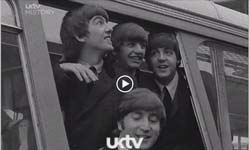
By 1965 the cultural renaissance of Britain was in full swing and the Beatles embodied the feeling of optimism. Having won over the British public the Beatles were ready to take on the world. The new fashion labels like Biba, new faces like Twiggy and hair-dressers like Vidal Sassoon were an important ingredient in the Swinging London explosion.
- TV-Recordings
- Music
- Other
- TV-Recordings
- No subtitles
- 62
By 1965 the cultural renaissance of Britain was in full swing and the Beatles embodied the feeling of optimism. Having won over the British public the Beatles were ready to take on the world. The new fashion labels like Biba, new faces like Twiggy and hair-dressers like Vidal Sassoon were an important ingredient in the Swinging London explosion.
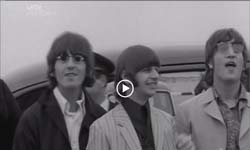
In April 1967 The Beatles produced the drug fuelled Sgt Peppers, an Album that was to change everything. The Beatles had turned to eastern mysticism and become distant from their mentor, Epstein, who died suddenly.
- TV-Recordings
- Music
- Other
- TV-Recordings
- No subtitles
- 62
In April 1967 The Beatles produced the drug fuelled Sgt Peppers, an Album that was to change everything. The Beatles had turned to eastern mysticism and become distant from their mentor, Epstein, who died suddenly.
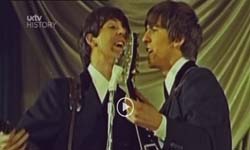
As the decade came to an end a more chaotic world was to come. Paul and John’s wives, Linda and Yoko, had one thing in common - they were strong, independent women, but with very different personalities. They typified the changing relationship between men and women which was beginning to emerge in the late sixties.
- TV-Recordings
- Music
- Other
- TV-Recordings
- No subtitles
- 62
As the decade came to an end a more chaotic world was to come. Paul and John’s wives, Linda and Yoko, had one thing in common - they were strong, independent women, but with very different personalities. They typified the changing relationship between men and women which was beginning to emerge in the late sixties.
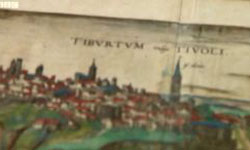
The British Library is home to a staggering 4.5 million maps, most of which remain hidden away in its colossal basement, and the programme delves behind the scenes to explore some amazing treasures in more detail.
- TV-Recordings
- Geography
- History
- TV-Recordings
- English subtitles
- 30
The British Library is home to a staggering 4.5 million maps, most of which remain hidden away in its colossal basement, and the programme delves behind the scenes to explore some amazing treasures in more detail.
Dan Cruickshank explores the mysteries and secrets of the bridges that have made London what it is. He uncovers stories of bronze-age relics emerging from the Vauxhall shore, of why London Bridge was falling down.
- TV-Recordings
- Built Environment & Architecture
- History
- TV-Recordings
- No subtitles
- 60
Dan Cruickshank explores the mysteries and secrets of the bridges that have made London what it is. He uncovers stories of bronze-age relics emerging from the Vauxhall shore, of why London Bridge was falling down.

-
The British at Work
-
BBC
Kirsty Young looks at British working lives since the Second World War
- TV-Recordings
- English subtitles
- 240
Kirsty Young looks at British working lives since the Second World War
Kirsty Young looks at British working lives since the Second World War. This programme combines the memories of ordinary working people with vivid archive from documentary, television and film to look at an era in which work was a great mass experience and work places were lively, welcoming communities.
- TV-Recordings
- History
- Politics & Public Policy
- TV-Recordings
- English subtitles
- 60
Kirsty Young looks at British working lives since the Second World War. This programme combines the memories of ordinary working people with vivid archive from documentary, television and film to look at an era in which work was a great mass experience and work places were lively, welcoming communities.

In the second of this series on the history of work, Kirsty Young looks at the years in which the post-war baby boom generation joined the workforce, from the buoyant optimism of the 60s to the union versus management conflicts of the 70s.
- TV-Recordings
- History
- Politics & Public Policy
- TV-Recordings
- English subtitles
- 60
In the second of this series on the history of work, Kirsty Young looks at the years in which the post-war baby boom generation joined the workforce, from the buoyant optimism of the 60s to the union versus management conflicts of the 70s.
Kirsty Young looks at work in the 80s and 90s, an era of startling contrasts where our jobs could enrich and exhilarate or humble and humiliate. Kirsty meets people who were flush with entrepreneurial spirit, building careers and starting their own businesses, but also those who fell out of work during the collapse of traditional heavy industry.
- TV-Recordings
- History
- Politics & Public Policy
- TV-Recordings
- English subtitles
- 60
Kirsty Young looks at work in the 80s and 90s, an era of startling contrasts where our jobs could enrich and exhilarate or humble and humiliate. Kirsty meets people who were flush with entrepreneurial spirit, building careers and starting their own businesses, but also those who fell out of work during the collapse of traditional heavy industry.

In the final episode of the series, Kirsty Young looks at how work has changed from the late 90s to the present. Using comedy, drama and archive from the period, she examines how work has crept into the very centre of our lives.
- TV-Recordings
- History
- Politics & Public Policy
- TV-Recordings
- English subtitles
- 60
In the final episode of the series, Kirsty Young looks at how work has changed from the late 90s to the present. Using comedy, drama and archive from the period, she examines how work has crept into the very centre of our lives.
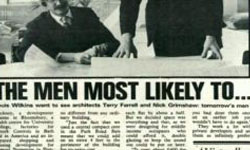
How an exceptional generation of British architects, led by Norman Foster and Richard Rogers, conquered the globe with their high-tech vision.
- TV-Recordings
- Built Environment & Architecture
- English subtitles
- 60
How an exceptional generation of British architects, led by Norman Foster and Richard Rogers, conquered the globe with their high-tech vision.

This episode focuses on the 1980s, when modern architecture was deeply unpopular and under attack from the Prince of Wales. The architects reveal the dramatic stories behind some of their most famous creations, including Rogers\'s Lloyd\'s of London building and Foster\'s Stansted Airport.
- TV-Recordings
- Built Environment & Architecture
- English subtitles
- 60
This episode focuses on the 1980s, when modern architecture was deeply unpopular and under attack from the Prince of Wales. The architects reveal the dramatic stories behind some of their most famous creations, including Rogers\'s Lloyd\'s of London building and Foster\'s Stansted Airport.
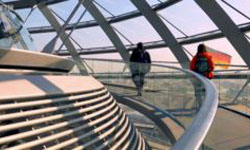
From the late 90s onwards, iconic landmarks were created across Britain and the world.
- TV-Recordings
- Built Environment & Architecture
- No subtitles
- 60
From the late 90s onwards, iconic landmarks were created across Britain and the world.
-
The Brits who Built the Modern World Series 1
-
BBC
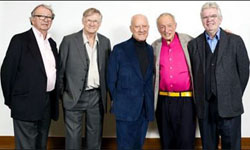
Series telling the story of how an exceptional generation of British architects, led by Norman Foster and Richard Rogers, conquered the globe with their high-tech vision.
- TV-Recordings
- English subtitles
- No
Series telling the story of how an exceptional generation of British architects, led by Norman Foster and Richard Rogers, conquered the globe with their high-tech vision.
-
The Century that Wrote Itself
-
BBC
Author Adam Nicolson takes an intimate look at the 17th century's diarists and letter writers and how they produced the first great age of self-depiction.
- TV-Recordings
- No subtitles
- No
Author Adam Nicolson takes an intimate look at the 17th century's diarists and letter writers and how they produced the first great age of self-depiction.
-
The Century that Wrote Itself - 01 : The Written Self
-
Adam Nicolson
Author Adam Nicolson takes an intimate look at the 17th century's diarists and letter writers and how they produced the first great age of self-depiction.He traces our modern sense of self back to the time when ordinary people first took up the quill. At a time of great upheaval, writing was both a means of escape and of fighting for what you believed.
- TV-Recordings
- History
- TV-Recordings
- No subtitles
- 60
Author Adam Nicolson takes an intimate look at the 17th century's diarists and letter writers and how they produced the first great age of self-depiction.He traces our modern sense of self back to the time when ordinary people first took up the quill. At a time of great upheaval, writing was both a means of escape and of fighting for what you believed.

Adam Nicolson explores the 17th century's contradictory attitudes towards the nature of reality. While a puritan struggled to accept God's will, an early naturalist accepted nothing without testing it first. How did God work? How did the world work?
- TV-Recordings
- History
- TV-Recordings
- No subtitles
- 60
Adam Nicolson explores the 17th century's contradictory attitudes towards the nature of reality. While a puritan struggled to accept God's will, an early naturalist accepted nothing without testing it first. How did God work? How did the world work?
Author Adam Nicolson traces the roots of today's globalised Britain to a 17th-century golden age of writing and communication. He reveals a century on the move, a time when London tripled in size and more than 200,000 people emigrated in search of work or God.
- TV-Recordings
- Phonetics and Linguistics
- TV-Recordings
- No subtitles
- 60
Author Adam Nicolson traces the roots of today's globalised Britain to a 17th-century golden age of writing and communication. He reveals a century on the move, a time when London tripled in size and more than 200,000 people emigrated in search of work or God.

The catalyst to Britain's Industrial Revolution was the slave labour of orphans and destitute children. In this shocking and moving account of their exploitation and eventual emancipation, Professor Jane Humphries uses the actual words of these child workers.
- TV-Recordings
- History
- TV-Recordings
- English subtitles
- 60
The catalyst to Britain's Industrial Revolution was the slave labour of orphans and destitute children. In this shocking and moving account of their exploitation and eventual emancipation, Professor Jane Humphries uses the actual words of these child workers.
-
The First Black Britons
-
Sukhdev Sandhu
Black people have lived in Britain for centuries - although their circumstances have varied greatly. Some have been enslaved and exploited, while others have enjoyed privilege and status. Trace their story to discover more about the attitudes and conditions they encountered.
- TV-Recordings
- History
- TV-Recordings
- No subtitles
- 59
Black people have lived in Britain for centuries - although their circumstances have varied greatly. Some have been enslaved and exploited, while others have enjoyed privilege and status. Trace their story to discover more about the attitudes and conditions they encountered.
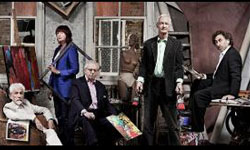
-
The Genius of British Art
-
Six passionate polemics - delivered by presenters ranging from David Starkey to Janet Street Porter - demonstrate how British art has shaped and forged Britain and British identity
- TV-Recordings
- English subtitles
- No
Six passionate polemics - delivered by presenters ranging from David Starkey to Janet Street Porter - demonstrate how British art has shaped and forged Britain and British identity
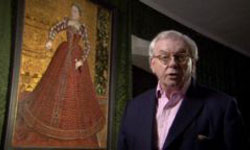
The history of British art is the story of Britain. For centuries, artists have reflected our times and shaped the way we see ourselves. This series presents six passionate polemics on how British art makes us who we are today and gives us a vision of ourselves.
- TV-Recordings
- Art & Design
- History
- TV-Recordings
- English subtitles
- 30
The history of British art is the story of Britain. For centuries, artists have reflected our times and shaped the way we see ourselves. This series presents six passionate polemics on how British art makes us who we are today and gives us a vision of ourselves.
Dr Gus Casely-Hayford shows how our sense of identity was changed forever by the most distinctively British artist this country has ever produced: William Hogarth.
- TV-Recordings
- Art & Design
- History
- TV-Recordings
- English subtitles
- 30
Dr Gus Casely-Hayford shows how our sense of identity was changed forever by the most distinctively British artist this country has ever produced: William Hogarth.
Writer Howard Jacobson celebrates the way British artists depict sex and desire, and argues that the most compelling expression is to be found where we might least expect it: in the art of the Victorians.
- TV-Recordings
- Art & Design
- History
- TV-Recordings
- English subtitles
- 30
Writer Howard Jacobson celebrates the way British artists depict sex and desire, and argues that the most compelling expression is to be found where we might least expect it: in the art of the Victorians.
At a time when Britain's contemporary art world has been dominated by the 'Sensation' generation of Damien Hirst and Tracey Emin, it's easy to dismiss English landscape art as nothing more than tea towel culture. That would be a big mistake, argues Sir Roy Strong.
- TV-Recordings
- Art & Design
- History
- TV-Recordings
- English subtitles
- 30
At a time when Britain's contemporary art world has been dominated by the 'Sensation' generation of Damien Hirst and Tracey Emin, it's easy to dismiss English landscape art as nothing more than tea towel culture. That would be a big mistake, argues Sir Roy Strong.

Modern Art has made us who we are and it has certainly made Janet Street Porter who she is. Janet speaks to Hirst, Tracey Emin and Grayson Perry about how art has seeped into the very heart of British culture.
- TV-Recordings
- Art & Design
- History
- TV-Recordings
- English subtitles
- 30
Modern Art has made us who we are and it has certainly made Janet Street Porter who she is. Janet speaks to Hirst, Tracey Emin and Grayson Perry about how art has seeped into the very heart of British culture.

Britain's war artists have pushed the boundaries in their drive to bring home to us the true cost of war. We once celebrated war's valour and glory, but they have encouraged us to feel its pain and tragedy. They have given us an artistic legacy that will continue to provoke and to move generations to come.
- TV-Recordings
- Art & Design
- History
- TV-Recordings
- English subtitles
- 30
Britain's war artists have pushed the boundaries in their drive to bring home to us the true cost of war. We once celebrated war's valour and glory, but they have encouraged us to feel its pain and tragedy. They have given us an artistic legacy that will continue to provoke and to move generations to come.